Port-Led Development, Not Just Port Expansion
Launched in March 2015 under the Ministry of Ports, Shipping and Waterways, Sagarmala is often described in shorthand as a port modernisation program, but that undersells its actual scope. The Sagarmala project logistics agenda was built on the idea of port-led development — using investment in ports as the anchor for a wider set of changes, including better road and rail connectivity to those ports, port-linked industrial clusters and coastal economic zones, modernisation of cargo-handling capacity at existing terminals, and support for coastal shipping and inland waterways as lower-cost alternatives to road transport. For shippers, the practical upshot is a decade-long, still-ongoing program that touches nearly every major and non-major port along India's coastline in one way or another.
The Core Pillars of Sagarmala
The program is generally organised around a handful of connected priorities: modernising port infrastructure and building new port capacity where it's needed; improving the road, rail and last-mile connectivity that links ports to their industrial hinterland; encouraging port-linked industrialisation, so manufacturing and processing clusters grow near the ports that will export their output; supporting coastal community development in the areas around port projects; and promoting coastal shipping and inland waterways as a way of taking pressure off congested road corridors for suitable cargo. It's this connectivity and industrialisation angle that sets India port modernization under Sagarmala apart from a narrower port-capacity-only investment program — the goal was always to change what happens around the port, not just at the berth.
Which Ports Have Seen the Biggest Changes
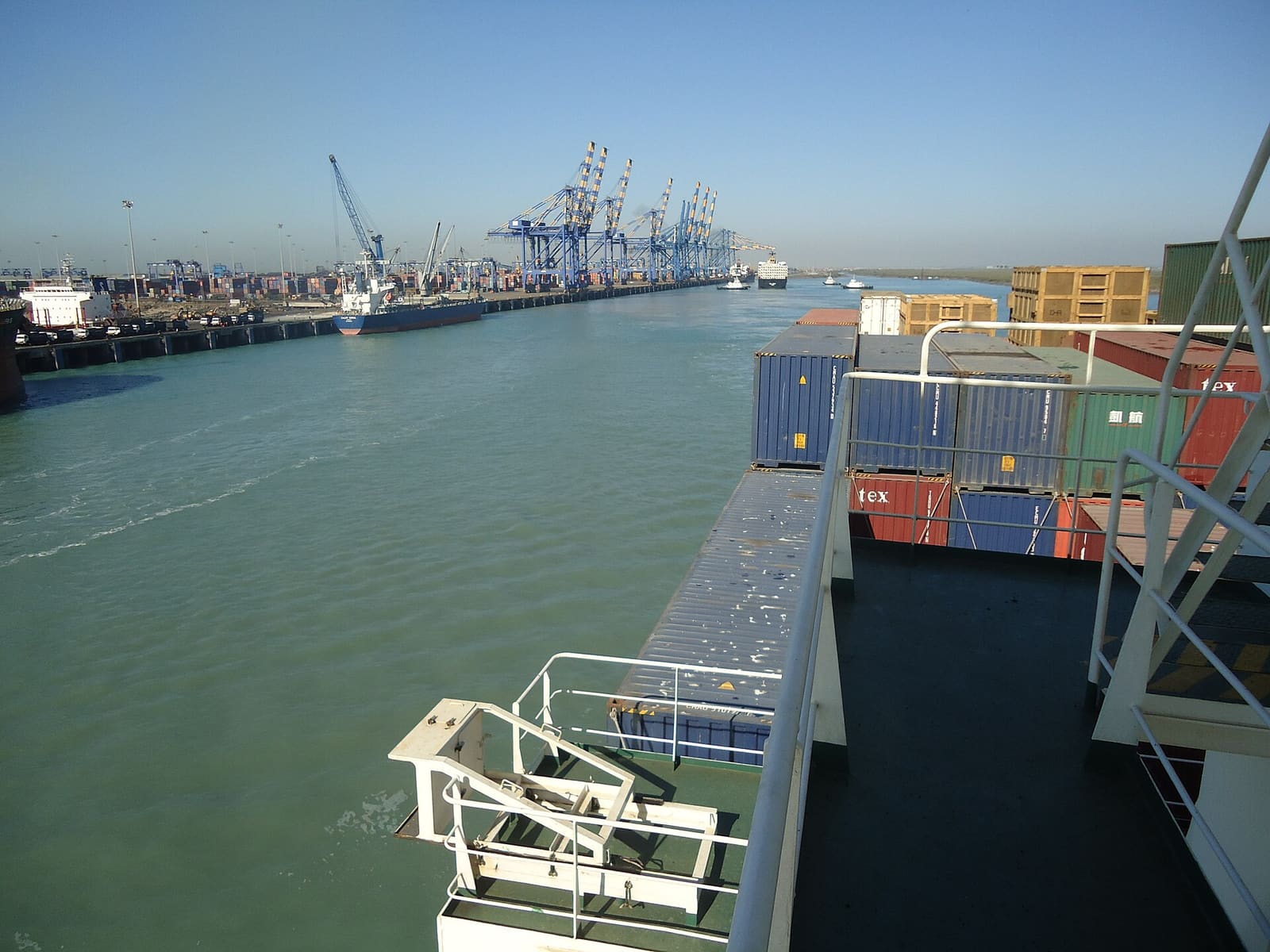
Sagarmala's reach spans both India's major ports (the large, historically central-government-run ports like Jawaharlal Nehru Port, Chennai, Kolkata and Vishakhapatnam) and a long list of non-major, state-administered ports along the Gujarat, Maharashtra, Andhra Pradesh, Tamil Nadu and Odisha coastlines. Gujarat in particular has seen substantial private and public investment in port capacity over the Sagarmala period, including at gateways like the one we cover in our shipping guide to Kandla (Deendayal Port). Rather than quoting specific capacity or investment figures here — since individual port projects move at different paces and official numbers are best sourced directly — we'd point readers to Sagarmala's own project directory for the current status of any specific port they're shipping through.
Sagarmala at a Glance
| Pillar | What It Covers |
|---|---|
| Port Modernisation | New terminals, mechanisation, deeper drafts, capacity expansion |
| Port Connectivity | Rail and road links between ports and their industrial hinterland |
| Port-Linked Industrialisation | Coastal economic zones and manufacturing clusters near ports |
| Coastal Shipping & Waterways | Shifting suitable cargo off congested road corridors |
How Port Infrastructure Lowers Logistics Cost
Better port infrastructure reduces logistics cost through several linked mechanisms rather than one single lever. Deeper berths and modern cargo-handling equipment mean larger vessels can call and turn around faster, spreading fixed port costs over more cargo. Improved rail and road connectivity to the port gate reduces the truck queuing and container dwell time that drives demurrage and detention charges. And port-linked industrial zones shorten the physical distance between factory and berth, cutting the inland transport cost that, in India's case, has historically made up an outsized share of total landed logistics cost compared with more port-adjacent manufacturing economies. None of this happens instantly — it is a multi-year investment cycle — but the direction of travel over the Sagarmala period has been toward faster, more predictable port-side handling.
How Sagarmala Fits With India's Other Infrastructure Programs
Sagarmala doesn't operate on its own — it is one of the infrastructure strands that PM Gati Shakti's cross-ministry planning platform is designed to coordinate alongside road, rail and industrial-corridor projects, so that a port upgrade and the highway or rail link meant to feed it are planned together rather than independently. It also connects directly to inland logistics capacity: as inland container depots in centres like Ahmedabad and Pune grow, the port-side capacity Sagarmala is building is what receives that inland volume, and the Dedicated Freight Corridor network is what increasingly moves it there by rail. Seen together, these programs represent a coordinated push to fix both ends of India's freight chain — the inland origin and the port gateway — at the same time.
Readers who want the government's own overview of the program's objectives and scope can review the official Sagarmala brochure directly, which lays out the program's pillars and priority projects in more detail than we can cover here.
Download: Sagarmala Brochure (Ministry of Ports, Shipping and Waterways)Practical Takeaways for Shippers
- Revisit port choice periodically, not just once. A port that was congested or under-equipped a few years ago may have added capacity under Sagarmala since — it's worth asking your forwarder whether a previously avoided gateway is now competitive.
- Watch connectivity, not just berth capacity. A modernised terminal is only as useful as the road or rail link feeding it — dwell time at the port gate is often a better real-world indicator of improvement than headline capacity figures.
RR Brothers and Logistics tracks port-side capacity and connectivity changes across India's major and non-major gateways as part of how we route client cargo, recommending ports based on current handling capacity and inland connectivity rather than historical reputation alone. You can review Sagarmala's own project updates at sagarmala.gov.in, see Jawaharlal Nehru Port's own facilities directly at jnpa.gov.in, and review Mundra's terminal operator at adaniports.com for a look at one of the largest privately operated port complexes to expand under the broader Sagarmala period.
Frequently Asked Questions
Sagarmala is a port-led development program launched in March 2015 by India's Ministry of Ports, Shipping and Waterways. It aims to modernise port infrastructure, improve road and rail connectivity to ports, encourage port-linked industrialisation, and promote coastal shipping and inland waterways as lower-cost transport alternatives.
Both major central-government ports and numerous non-major, state-administered ports have received investment, with particularly notable activity along the Gujarat, Maharashtra, Andhra Pradesh and Odisha coastlines. Current project-level status is best checked directly on the official Sagarmala portal.
Deeper berths and modern handling equipment let larger vessels turn around faster, better rail and road links reduce port-gate dwell time and demurrage risk, and port-linked industrial zones cut the inland transport distance between factory and berth.
Sagarmala's port investments are one of the infrastructure strands coordinated under PM Gati Shakti's planning platform, and its port capacity works hand in hand with rail programs like the Dedicated Freight Corridors, which increasingly move inland cargo to and from the ports Sagarmala is upgrading.