Beyond the Coast: Where Inland Depots Fit
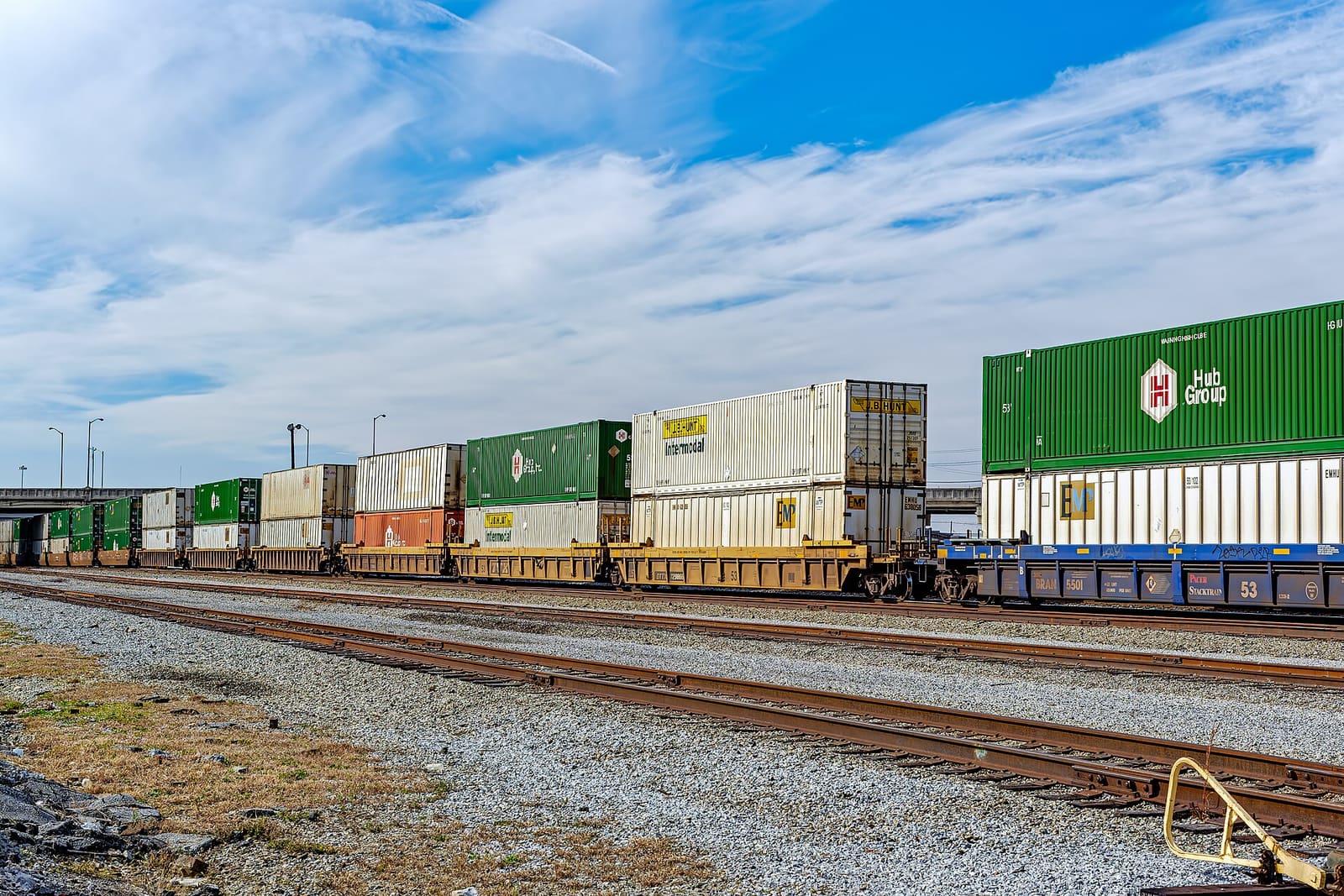
India's busiest ports sit on the coast, but most of the cargo that moves through them starts and ends its journey well inland — in factories, warehouses and industrial estates that may be many hours away by road. That gap is exactly what an inland container depot India network is built to close, and two of the fastest-growing examples of this today sit in Gujarat and Maharashtra: Ahmedabad and Pune. Both cities anchor major manufacturing economies, and both have seen steady growth in inland container depot capacity designed to let local exporters and importers complete customs clearance and container handling close to the factory floor, rather than trekking a full container to the coast simply to start the paperwork.
Ahmedabad: Gujarat's Diversified Manufacturing Base
Ahmedabad sits within one of India's most diversified state economies for trade — Gujarat is a major centre for textiles, chemicals and petrochemicals, pharmaceuticals, and engineering goods, and its inland container depot infrastructure reflects that breadth. An ICD serving Ahmedabad gives the city's exporters a nearby facility for customs clearance and container stuffing, with onward rail and road connections down to Gujarat's cluster of major seaports — Mundra, Kandla and Pipavav are all realistic options depending on carrier service and destination market. We've covered China-origin shipping directly into Ahmedabad in detail in our dedicated Ahmedabad and Gujarat inland shipping guide; this piece takes the wider view, looking at how Ahmedabad's ICD fits into the broader inland depot network alongside Pune's.
Pune: An Automotive and Engineering Hub Inland
Pune's economy runs on a different but equally export-relevant base: automotive manufacturing and components, precision engineering, and a large IT and technology-manufacturing sector that increasingly ships hardware alongside software services. Pune's proximity to Mumbai and Jawaharlal Nehru Port (JNPT) — closer than Gujarat's seaports are to Ahmedabad — means the inland depot serving the city plays a slightly different role: less about bridging a long distance to the coast, and more about decongesting the port itself by moving customs clearance and container handling away from JNPT's gate and into a facility with more room to operate efficiently.
Two Hubs, Two Manufacturing Clusters
| Hub | Core Industries Served | Primary Seaport Links |
|---|---|---|
| Ahmedabad | Textiles, chemicals, pharmaceuticals, engineering | Mundra, Kandla, Pipavav |
| Pune | Automotive and auto components, precision engineering, technology hardware | Nhava Sheva (JNPT), Mumbai |
How Inland Depots Actually Reduce Transit Time
It's a common misconception that an inland container depot's main benefit is storage space — the real time saving comes from decoupling customs clearance from the physical arrival of the container at the port. When export documentation and inspection happen at an inland facility, the container that eventually reaches the seaport is already cleared and ready to load, rather than sitting in a queue at a congested port terminal waiting for paperwork to catch up. For importers, the same logic runs in reverse: cargo can be moved out of the port quickly under bond and cleared at the inland depot, freeing up port yard space and reducing the container dwell time that drives up demurrage risk. This is part of why India's broader logistics policy, including the National Logistics Policy, treats inland depot capacity as a genuine lever for reducing overall logistics cost rather than a secondary convenience.
Where These Hubs Fit in the Bigger Picture
Ahmedabad and Pune are not isolated projects — they sit within a wider push to build out multimodal capacity across India's industrial regions, an effort closely tied to the multimodal logistics parks program and to port-side investment under Sagarmala's port modernisation initiative. Compared with Punjab's much longer inland haul discussed in our piece on ICD Ludhiana, Ahmedabad and Pune sit noticeably closer to their respective seaports, which changes the cost-benefit calculation for shippers deciding between inland clearance and direct port-side clearance for a given shipment.
Practical Takeaways for Shippers
- Match the ICD to your destination seaport network. Ahmedabad shippers should weigh Mundra against Kandla and Pipavav depending on carrier coverage; Pune shippers will almost always route via JNPT given the shorter distance.
- Ask your forwarder about container dwell time at each option. Since inland clearance is meant to reduce port-side delay, it's worth confirming that your chosen ICD is actually delivering that benefit on your specific lane rather than assuming it by default.
RR Brothers and Logistics manages inland-to-port routing for clients across both Gujarat and Maharashtra, coordinating customs clearance and container movement between Ahmedabad, Pune and the western seaports that serve them. You can review the government's own account of how these inland facilities fit into national planning at pmgatishakti.gov.in, and see how port-side capacity is being expanded to receive this inland volume at sagarmala.gov.in.
Frequently Asked Questions
Both cities anchor large, export-oriented manufacturing economies — Ahmedabad in textiles, chemicals and pharmaceuticals, Pune in automotive and precision engineering — and inland container depot capacity lets their exporters clear customs and stuff containers locally rather than trucking cargo to the coast unprocessed.
Ahmedabad's depot serves Gujarat's textile, chemical, pharmaceutical and engineering sectors. Pune's depot primarily serves the region's automotive and auto-component manufacturers, precision engineering firms, and technology-hardware exporters.
By moving customs clearance and container stuffing away from the port itself, cargo arrives at the seaport already cleared and ready to load, reducing queueing and container dwell time at the port terminal.
It depends on distance and volume: for regions well inland from the coast, an ICD almost always reduces cost and delay. For shippers very close to a port, such as Pune's proximity to JNPT, the benefit is more about reducing port congestion than saving inland transit time, and a forwarder can help weigh the trade-off for a specific shipment.