Punjab's Inland Port
Landlocked exporters need a way to clear customs and load containers without physically trucking every shipment to a coastal port first, and that is exactly the role an inland container depot (ICD) plays. ICD Ludhiana, located at Dhandari Kalan on the outskirts of the city, functions as a dry port for Punjab and the wider North Indian industrial belt — a facility where exporters can complete customs formalities, stuff containers, and hand cargo to rail or road carriers for onward movement to a seaport, all without leaving the region. For an industrial hub as far from the coast as Punjab, that inland customs and container-handling capability is what makes routine containerised export and import viable at scale.
What Moves Through ICD Ludhiana
Punjab's manufacturing base is unusually concentrated and export-oriented, and the cargo profile at ICD Ludhiana reflects that directly. Ludhiana itself is one of India's best-known centres for woollen knitwear and hosiery, bicycle and bicycle-parts manufacturing, and light engineering and hand tools, while the surrounding Punjab belt also contributes agricultural and processed food exports. Import traffic through the depot tends to run the other way — industrial inputs, machinery components, yarns and raw materials feeding the region's textile and engineering factories, much of it arriving via China and other Asian manufacturing origins before making the inland rail or road journey up from the coast.
North India Logistics Hub, By Necessity
Punjab's distance from any major seaport is the whole reason a North India logistics hub like this one exists in the first place. Without an inland depot, every exporter in the region would need to truck full containers hundreds of kilometres to a coastal port purely to clear customs, adding cost and time to every shipment regardless of size. By allowing that customs clearance and container stuffing to happen locally, ICD Ludhiana — sometimes referred to informally as the Ludhiana dry port — effectively extends port functionality inland, letting smaller and mid-sized exporters compete on more even footing with importers and exporters based closer to the coast.
Connecting to Major Seaports
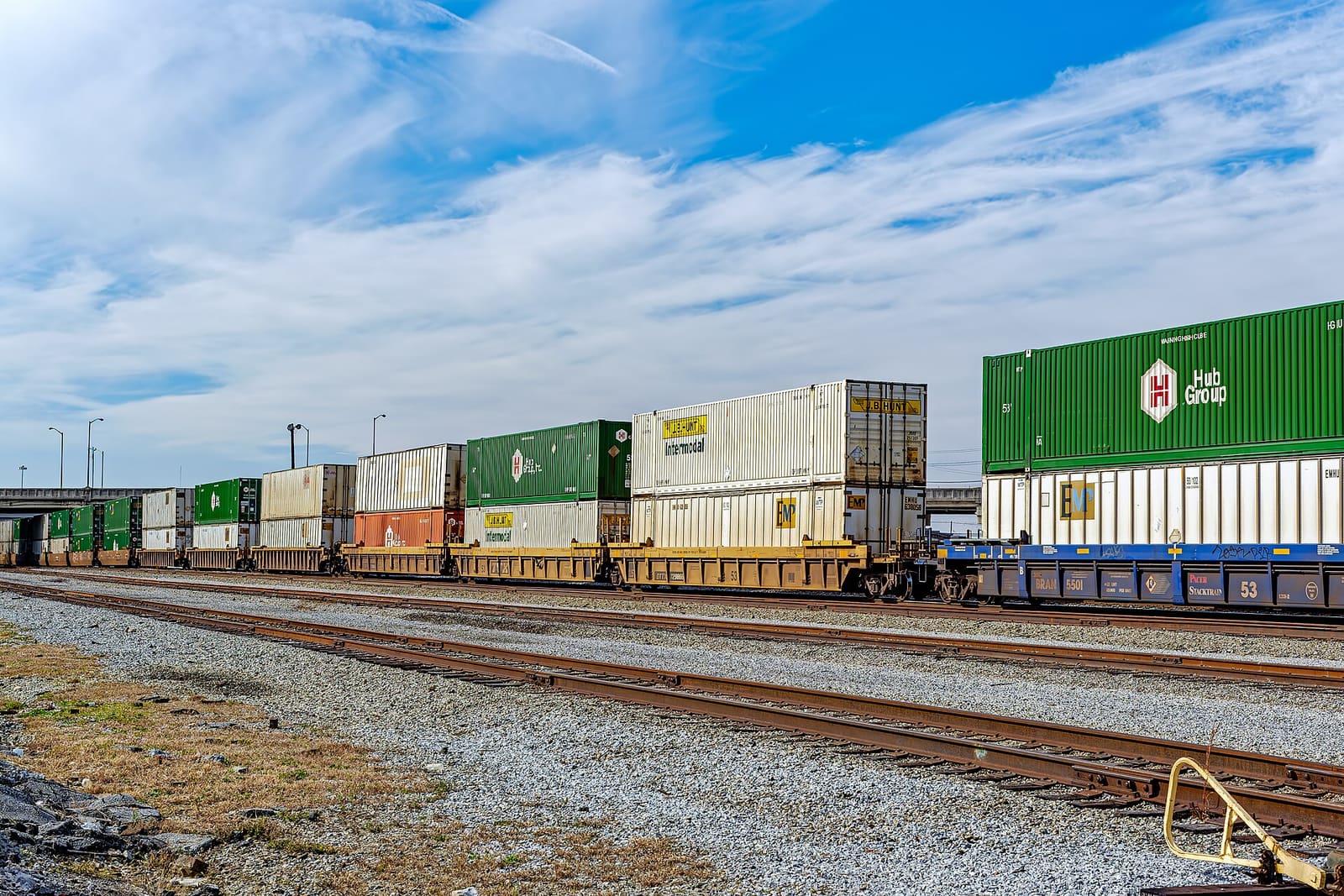
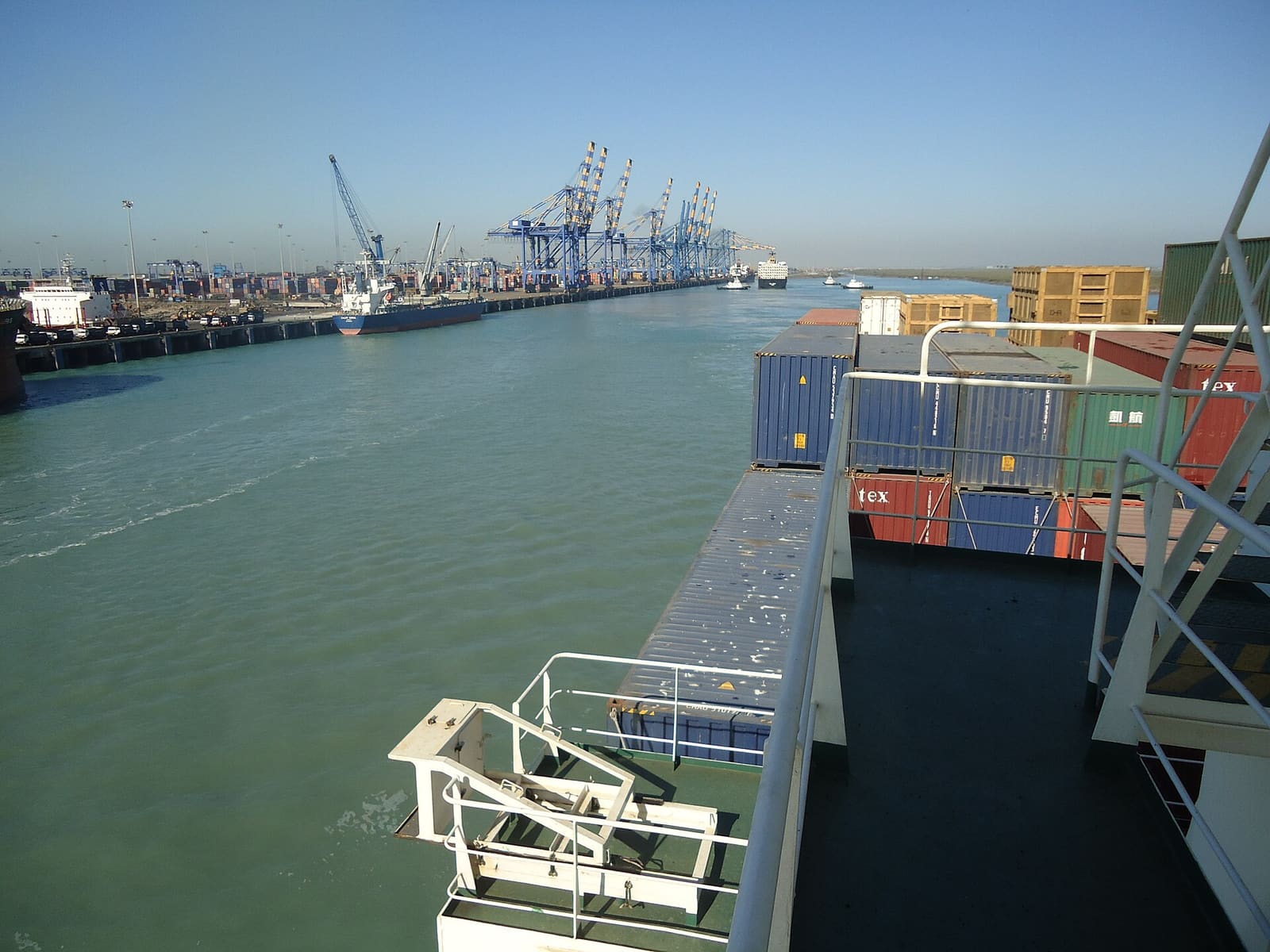
ICD Ludhiana's usefulness depends entirely on its rail and road connections onward to the coast. Container trains move cargo from the depot down to India's major western gateways — principally Mundra and Nhava Sheva (JNPT) on India's west coast, with Kandla and Pipavav also handling volume from the wider Gujarat corridor. Many of these movements run over lines that connect into the broader Dedicated Freight Corridor network, which is steadily improving the reliability and transit consistency of the rail leg between Punjab's inland depots and the coast. On the customs side, once cargo departs Ludhiana it typically routes into container terminals like those covered in our guide to shipping via Kandla (Deendayal Port) in Gujarat, one of the western gateways that regularly handles Punjab-origin export volume alongside Gujarat's own manufacturing base.
ICD Ludhiana at a Glance
| Feature | Detail |
|---|---|
| Location | Dhandari Kalan, Ludhiana, Punjab |
| Key export sectors | Hosiery and woollens, bicycles and auto parts, light engineering, agri-processed goods |
| Primary seaport links | Mundra, Nhava Sheva (JNPT), Kandla, Pipavav |
| Core function | Inland customs clearance, container stuffing/destuffing, rail-linked EXIM movement |
Industries in Punjab That Depend on This Depot
Beyond the well-known hosiery and bicycle sectors, Ludhiana and the surrounding districts host a dense cluster of small and medium manufacturers making everything from sewing machine parts to auto components and forgings — businesses that typically ship in less-than-container-load quantities and depend on the depot's consolidation and customs infrastructure to make export economically viable at their scale. Agricultural exporters from Punjab's grain belt also route processed and packaged goods through the depot. For all of these shippers, dependable rail connectivity onward from Ludhiana is not a convenience, it's the difference between a competitive landed cost in an overseas market and a cost structure that prices them out.
Practical Takeaways for Shippers
- Factor inland-to-coast transit time into your schedule. Cargo moving via ICD Ludhiana adds a rail or road leg to the port before the ocean voyage even begins — build this into your overall lead-time planning rather than only counting from the port of loading.
- Compare Punjab's western seaport options. Depending on your carrier's service network and the destination market, routing via Mundra, JNPT, Kandla or Pipavav can meaningfully affect transit time and cost — a forwarder with visibility across all four can advise the best fit for a specific shipment.
RR Brothers and Logistics coordinates inland-to-coast movement for clients exporting out of Punjab and North India, managing the handoff between ICD Ludhiana and whichever western gateway best suits a given shipment's destination and timeline. Readers exporting or importing through Delhi-NCR's own inland depots may also find our guide to shipping via ICD Tughlakabad and Dadri useful for comparing North India's two major inland gateways side by side, and our overview of PM Gati Shakti's impact on freight movement covers the broader coordination effort behind improving connectivity to depots like this one nationwide. Shippers can track the rail corridor's own project progress directly through the Dedicated Freight Corridor Corporation of India at dfccil.com, and see how depot connectivity fits into national infrastructure planning at pmgatishakti.gov.in.
Frequently Asked Questions
Export cargo is dominated by Punjab's manufacturing sectors — hosiery and woollen knitwear, bicycles and auto parts, light engineering goods and agricultural exports. Import traffic is largely industrial inputs, machinery components and raw materials feeding those same factories.
Cargo moves by rail and road from the depot to India's western gateways, principally Mundra and Nhava Sheva (JNPT), with Kandla and Pipavav also handling volume. Much of this rail movement benefits from the growing Dedicated Freight Corridor network.
Hosiery and textile manufacturers, bicycle and auto-parts producers, light engineering and hand-tool makers, and agricultural processors are the sectors most dependent on the depot's inland customs clearance and container-handling capacity.
Without a facility like ICD Ludhiana, every exporter would need to truck full containers to a coastal port purely to complete customs formalities. An inland depot brings that customs and container-stuffing capability closer to the factory, reducing cost and complexity, especially for smaller shippers.