What a Multimodal Logistics Park Actually Is
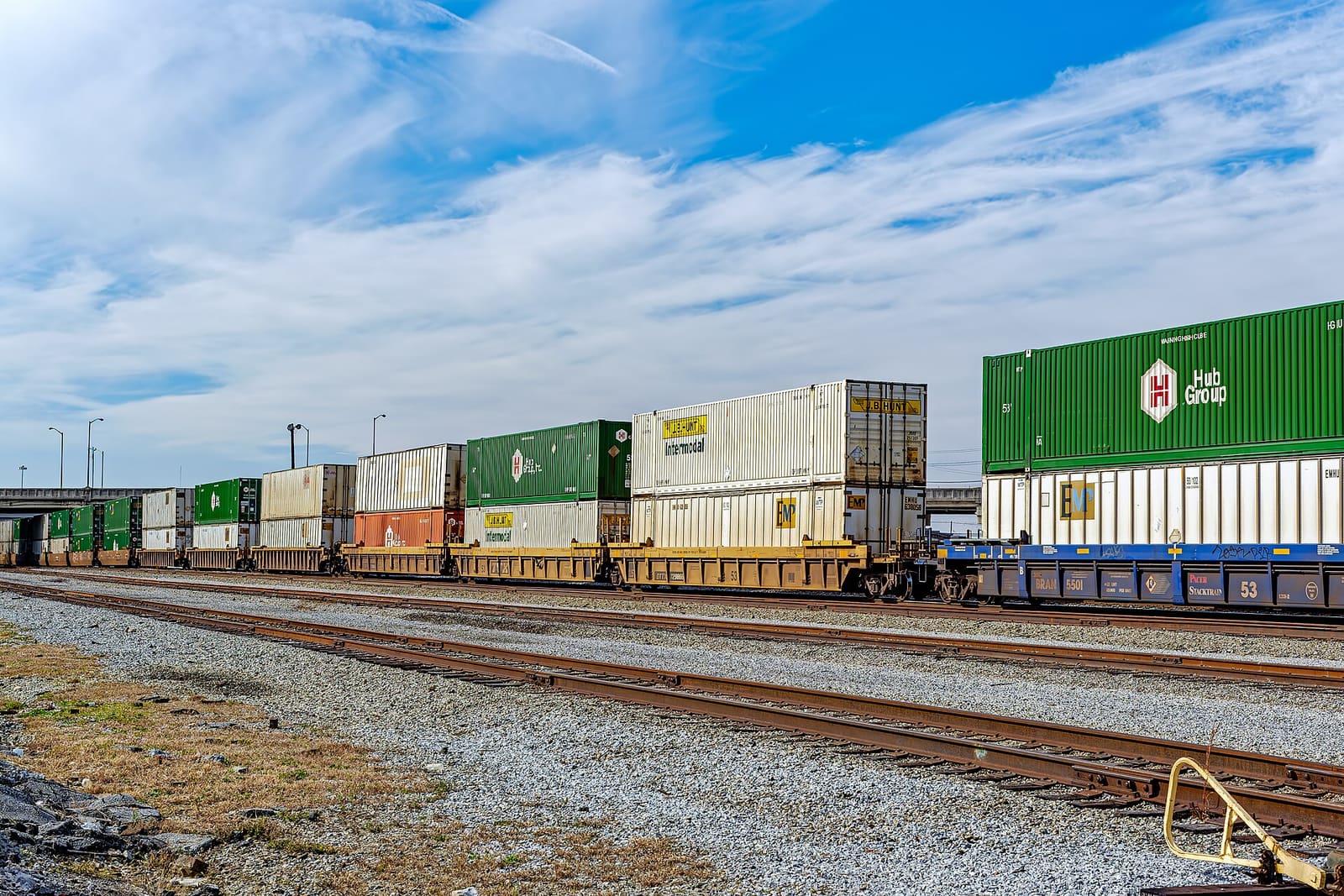
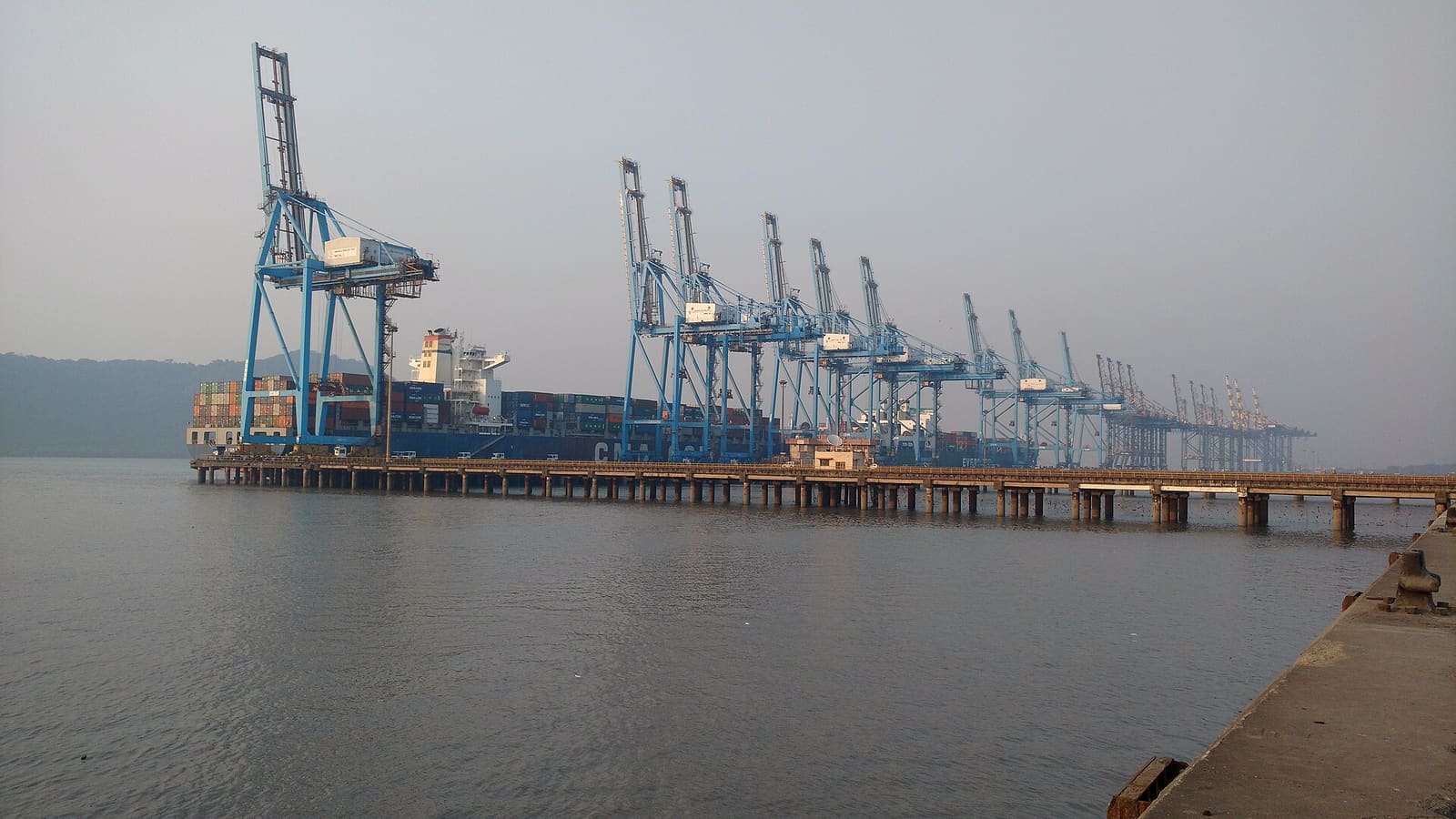
A multimodal logistics park, or MMLP, is a large-scale freight hub designed to let cargo move seamlessly between road, rail and — where the location allows — waterway or port connections, all within a single integrated facility. Instead of a container being trucked to a rail siding, unloaded, warehoused separately, and trucked again to its next leg, an MMLP brings the modal interchange, bonded and general warehousing, container freight station functions, and value-added services like labelling or light assembly onto one campus with a shared boundary and shared access control. For anyone tracking multimodal logistics parks India developments, the underlying idea is simple: every time cargo changes hands or changes mode, it costs time and money, and an MMLP is built specifically to compress that handoff.
The program sits under the Ministry of Road Transport and Highways and is being implemented through the National Highways Logistics Management Limited (NHLML), a special-purpose entity set up to develop, operate and monitor these parks either directly or through public-private partnership structures. Around 35 MMLPs were originally identified for development under Bharatmala Phase 1, positioned at strategic locations across major freight corridors and close to industrial clusters, port catchments, and consumption centres. The government's own Press Information Bureau release on the MMLP program sets out the policy rationale and institutional structure in more detail for readers who want the primary source.
How MMLPs Fit Into the Wider Policy Push
MMLPs are not a standalone idea — they are one of the physical building blocks of a broader effort to reduce India's logistics cost burden. The National Logistics Policy sets the cost-reduction goals and the institutional coordination mechanisms; PM Gati Shakti provides the cross-ministry planning layer that helps ensure an MMLP's road and rail connections are actually built in sync with the park itself rather than years apart; and the MMLP program supplies the physical nodes where multimodal interchange happens on the ground. Read together, these three initiatives describe a fairly coherent strategy: plan connectivity centrally, set a national cost target, and build the infrastructure nodes needed to hit it.
Where the Key Parks Are Located
MMLP sites were chosen deliberately along high-density freight corridors rather than scattered evenly across the map. Locations identified in the program include hubs near Jogighopa in Assam (serving the Northeast and providing a link to Bangladesh and Bhutan trade), Nagpur in Maharashtra (at the crossing point of major north-south and east-west freight corridors), Chennai, Indore, Bengaluru, and several sites along the Delhi-Mumbai and Delhi-Kolkata freight movement axes. The exact list and pace of individual park development has evolved over the program's rollout — some sites have progressed faster through land acquisition and construction than others — so shippers should treat any specific location as a starting point for verification rather than a guarantee of current operational status.
Why MMLPs Matter for Freight and Warehousing Costs
The direct benefit an MMLP offers a shipper is fewer, cheaper handoffs. Consolidating rail-to-road transfer, customs-bonded storage, and general warehousing on one site cuts down on the trucking distance between functions that would otherwise sit in different parts of a city, each adding its own transport leg, handling charge, and time delay. For exporters and importers working with a freight forwarder, an MMLP near a manufacturing cluster can mean shorter first- and last-mile legs to the nearest rail terminal or inland container depot, more competitive warehousing rates due to co-located scale, and better predictability around dwell time since the interchange itself is purpose-built rather than improvised across multiple facilities.
Illustrative MMLP Functions by Site Type
| Function | Purpose | Who Benefits Most |
|---|---|---|
| Rail-road interchange | Container transfer without a separate depot leg | Long-haul bulk shippers |
| Bonded/customs warehousing | Deferred duty storage close to inland demand | Importers, distributors |
| Container freight station | LCL consolidation/deconsolidation near source | SMEs, mixed-cargo shippers |
| Value-added services | Labelling, kitting, light assembly on-site | E-commerce, retail-ready cargo |
MMLPs Versus Traditional Inland Container Depots
It's worth being precise about how an MMLP differs from the inland container depots (ICDs) that many shippers already know well, since the two are related but not interchangeable. A traditional ICD is primarily a customs-enabled container handling and storage facility — it lets an importer or exporter complete customs formalities away from the coast, with rail or road links back to a gateway port. An MMLP is a larger, more deliberately planned complex that folds ICD-style functions into a broader campus alongside dedicated freight terminals for multiple modes, larger-scale general and cold-chain warehousing, and, in many designs, space for light manufacturing or value-added processing tied to the logistics activity happening on-site. In practice, an established ICD like ICD Ludhiana can continue operating alongside a nearby MMLP rather than being replaced by it — the two often serve overlapping but distinct roles, with the MMLP designed to absorb higher volumes and a wider range of functions as regional freight demand grows.
What This Means for Importers and Exporters Right Now
MMLPs are a multi-year infrastructure program, and different sites are at different stages of readiness — some are operating with partial functionality, others remain under development. The practical takeaway for a shipper is not to wait for the full network to be complete before benefiting from it, but to ask a forwarder whether a specific origin or destination in an itinerary is near a functioning park and whether routing through it changes the inland cost or timeline for that particular shipment. This is exactly the kind of routing question that benefits from local, current knowledge rather than a static map of planned sites. Development is being pursued through a mix of direct public investment and public-private partnership structures, which means the pace of individual site completion can also depend on how quickly private developers commit capital to a given location — another reason a forwarder's current, on-the-ground read is more useful than the original planning document alone.
Readers who want the independent multilateral development perspective on this program can consult the Asian Development Bank's published brief on India's multimodal logistics parks, which lays out the policy rationale, institutional structure and expected freight-cost impact in more technical detail than a summary article can cover.
Download: ADB Brief — Multimodal Logistics Parks in IndiaThe Role of Private Operators and Logistics Real Estate
An underappreciated part of the MMLP story is how much it overlaps with the broader growth of organized logistics real estate in India — the same institutional capital and warehousing developers building Grade-A distribution facilities near major cities are often the entities partnering with NHLML to develop individual park sites under the public-private partnership model. This matters for shippers because it means the quality and service level at an operating MMLP tends to resemble modern private-sector logistics parks rather than older, government-run container depots: better racking and handling equipment, tighter security and access control, and often faster turnaround for routine transactions like gate-in and gate-out processing. As more of these sites come online with private operating partners, the gap in service quality between an MMLP and a conventional inland facility should, in principle, keep widening in the MMLP's favor — though again, this depends on the specific site and its stage of development.
Two Practical Takeaways for Shippers
- Ask about MMLP-adjacent routing for inland-heavy shipments. If your cargo's final destination sits near a developing or operating park, the inland leg may already be shorter or cheaper than a routing planned around older infrastructure.
- Don't assume every listed site is fully operational. Confirm current status with your forwarder before committing to a routing plan that depends on a specific park's capacity.
RR Brothers and Logistics tracks India's MMLP rollout as part of how we plan inland legs for clients moving cargo through Indian ports and inland container depots, including the ICD Ludhiana and Ahmedabad-Pune inland hub network, both of which connect into this same broader logistics-park and freight-corridor build-out. Combined with our customs clearance guidance for China-origin cargo, we help clients plan routings that use India's evolving infrastructure rather than default to the routing that was optimal five years ago.
Frequently Asked Questions
A multimodal logistics park is an integrated freight hub combining rail-road interchange, warehousing, container freight station functions and value-added services on one site, reducing the number of separate handoffs a shipment needs between origin and destination. In India, the program is developed by NHLML under the Ministry of Road Transport and Highways.
Identified sites include locations such as Jogighopa (Assam), Nagpur, Chennai, Indore and Bengaluru, chosen along major freight corridors and near industrial or consumption clusters, with roughly 35 parks originally planned under Bharatmala Phase 1. Development pace varies by site, so current operational status should be confirmed for any specific location.
By combining modal interchange, bonded storage and value-added services on a single site, MMLPs cut down on the extra trucking legs, handling charges and delays that come from operating these functions across separate, disconnected facilities.
MMLPs are the physical infrastructure nodes; PM Gati Shakti is the cross-ministry planning layer that helps sequence their road and rail connections; and the National Logistics Policy sets the national cost-reduction targets these projects are meant to support. The three work together rather than independently.