The Cost of Showing Up and Waiting
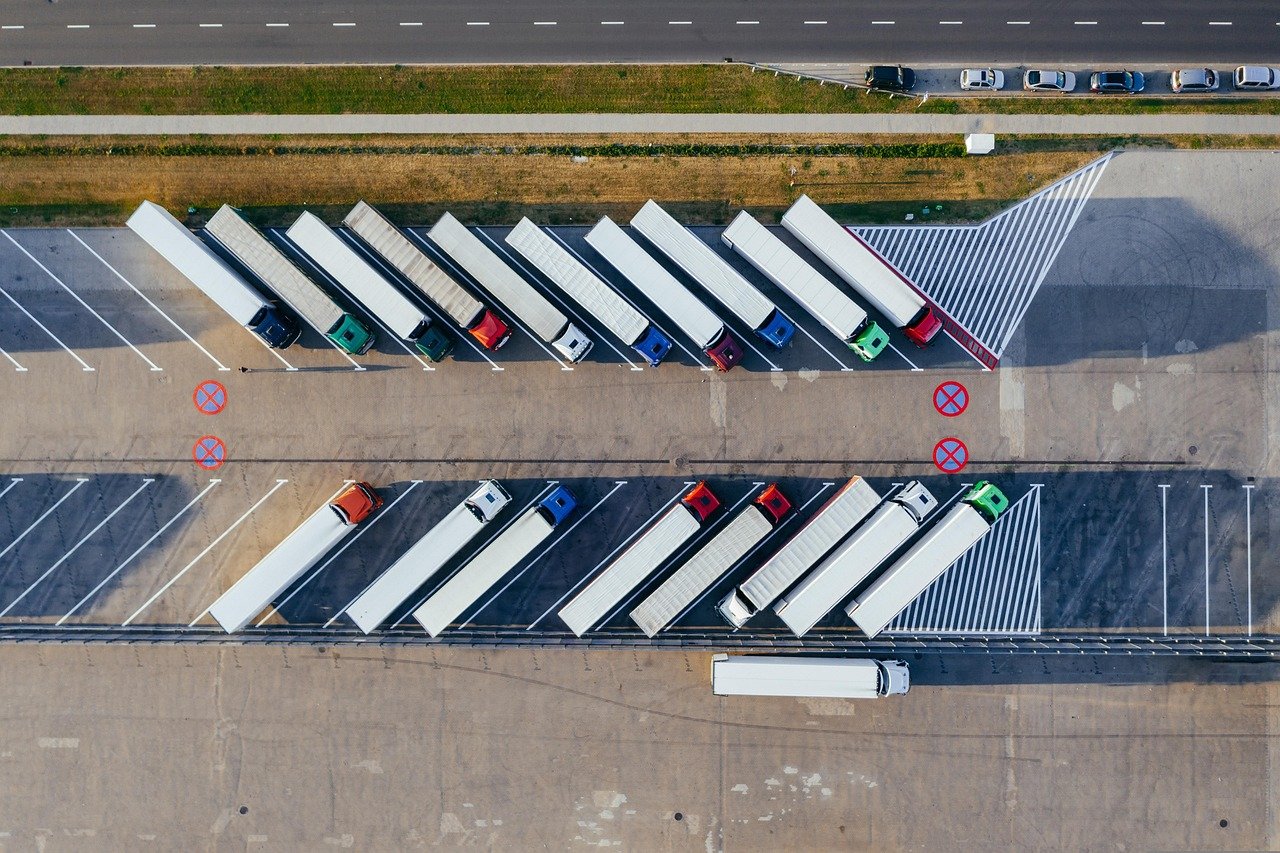
For years, the default way a truck arrived at a warehouse dock was simple: show up, check in, and wait your turn. On a quiet day that system works fine. On a busy day, or at a facility receiving from dozens of suppliers on overlapping schedules, first-come-first-served check-in produces exactly what you'd expect — trucks clustering at the gate in the first hour of a shift, drivers waiting hours past their scheduled delivery window, and warehouse staff scrambling to open doors faster than they can realistically unload. That waiting time isn't free. It shows up as detention charges carriers bill back to shippers, as drivers burning hours of service sitting in a parking lot instead of running their next load, and as a warehouse operation that never quite knows how many trucks will actually be on-site at any given moment — which makes it almost impossible to plan dock labor with any real precision. Multiply that uncertainty across dozens of inbound and outbound moves a day, and a facility running on open check-in is effectively managing its most expensive resource, dock throughput, by guesswork rather than by plan. Dock scheduling software was built to replace that uncertainty with a booked appointment system, and it has become one of the more practical, fast-payback technology investments available to any facility handling meaningful truck volume in modern transportation logistics, precisely because the fix doesn't require new buildings, new equipment or new labor — just a better way of sequencing the trucks that were already coming.
How Appointment-Based Scheduling Actually Works
Dock scheduling platforms give carriers and drivers a self-service portal or app where they book a specific arrival window — often in 30-minute or hourly increments — tied to a particular dock door or receiving lane at the facility. The warehouse controls how many appointment slots are available at any given time based on actual dock capacity and labor staffing, so the system physically cannot overbook the facility beyond what it can handle. When a truck arrives within its booked window, it's checked in and directed straight to an assigned door rather than entering a general queue; if a carrier needs to reschedule, most platforms let them do that themselves without a phone call to the warehouse. The result is that the facility knows, hours or days in advance, roughly how many trucks are coming and when, rather than finding out only when trucks begin physically arriving at the gate.
Where the Detention Savings Actually Come From
The connection between appointment scheduling and lower detention costs is fairly direct: detention charges are triggered when a truck sits at a facility longer than its contracted free time, and the single biggest driver of that overrun is unpredictable wait time before loading or unloading even begins. One documented example comes from a shipper using IntelliTrans' DockMaster scheduling platform, whose share of loads subject to demurrage charges dropped from 64% to just 15% in the first month after deployment — a dramatic shift attributable almost entirely to replacing unscheduled arrivals with booked windows. Separately, logistics company GoBolt reported a 20% improvement in inbound receiving efficiency after adopting Opendock's scheduling platform. These are single-operator results rather than guaranteed universal outcomes, but the underlying mechanism — spacing out arrivals so dock crews aren't hit with simultaneous trucks — is consistent and logical enough that the pattern shows up repeatedly across different scheduling platforms and different types of facilities. We cover the detention and demurrage cost structure itself in more detail in our companion article on demurrage and detention charges explained, which is useful background for understanding exactly which fees dock scheduling software is designed to reduce.
Smoothing Warehouse Labor Planning
Detention savings get most of the attention, but the labor planning benefit inside the warehouse may matter just as much to facility managers. According to research cited by yard management provider C3 Solutions, inbound freight costs can represent roughly 40% of an organization's total freight spend, a figure driven in part by inefficiencies that poor dock scheduling creates — including the labor cost of staffing for an unpredictable arrival pattern rather than a known one. When a facility can see its appointment calendar for the day ahead of time, it can schedule dock crews and forklift operators around the actual expected truck volume per hour instead of either overstaffing to cover a worst-case rush or understaffing and creating a backlog when multiple trucks happen to arrive together. Appointment data over time also gives operations managers a much clearer picture of seasonal and day-of-week demand patterns, informing staffing decisions well beyond just the day of a given shipment — data that feeds directly into smarter transportation logistics planning across the wider network a facility serves.
| Factor | First-Come-First-Served Check-In | Appointment-Based Scheduling |
|---|---|---|
| Arrival predictability | Unknown until trucks show up | Known hours or days in advance |
| Driver wait time | Often extended, clustered at peak hours | Minimized by spaced booking windows |
| Detention/demurrage exposure | Higher, as documented in case studies | Significantly reduced in reported deployments |
| Labor planning | Reactive staffing around unpredictable rushes | Proactive staffing around known appointment volume |
Why Carriers Care Just as Much as Shippers
Dock scheduling software isn't a tool that only benefits the facility receiving freight — carriers and drivers have at least as much riding on predictable dock turnaround, which is part of why appointment-based scheduling has spread so quickly once a few major shippers started requiring it. A driver's working hours are governed by hours-of-service rules that cap how long they can be on duty before a mandatory rest period, and time spent waiting at a dock counts against that clock the same as time spent driving. An unpredictable multi-hour wait at a facility with open check-in doesn't just delay that one delivery — it can push a driver close to or past their available hours for the day, forcing an early stop that delays the next load on their schedule entirely. Carriers increasingly factor a shipper's or facility's dock scheduling discipline into which freight they prioritize accepting, which means a warehouse running an efficient appointment system isn't just avoiding detention charges — it's making itself a more attractive facility for carriers to serve in a transportation logistics market where driver and capacity availability is often tight.
Part of a Larger Facility-Coordination Technology Layer
Dock scheduling software rarely operates in isolation — it tends to be one piece of a broader set of tools coordinating what happens the moment a trailer reaches a facility. Our article on cross-docking strategies for faster distribution looks at how precise timing between inbound and outbound trailers is what makes cross-docking work at all, and appointment scheduling is a core enabler of hitting those timing windows reliably rather than hoping trucks happen to arrive close enough together. Yard management technology, including the kind of coordination covered in our piece on autonomous forklifts and yard trucks, extends the same planning discipline from the dock door out into the yard itself, tracking trailer positions and automating yard moves once a scheduled appointment has arrived. Together, dock scheduling, cross-docking coordination and yard management form a connected technology layer that governs facility throughput well beyond what any single tool could manage alone.
Implementation Realities Worth Planning For
- Carrier adoption and compliance: the system only delivers its benefits if carriers actually book and honor their appointment windows, which sometimes requires contractual incentives or penalties for no-shows and late arrivals.
- Dynamic slot capacity: the best platforms adjust available appointment slots based on real-time dock door and labor availability rather than a fixed daily template, accommodating unexpected changes like a door going out of service.
- Integration with the warehouse management system: scheduling data needs to flow into broader WMS and yard systems to actually improve receiving efficiency rather than existing as a disconnected booking calendar.
- Grace periods and flexibility: overly rigid appointment windows can penalize drivers for traffic or weather delays outside their control, so most well-run programs build in a reasonable grace period before treating an arrival as late.
- Peak season surge planning: appointment calendars still need enough flexibility to absorb seasonal volume spikes, since a system that's efficient at normal volume but rigid during peak periods can simply shift the bottleneck from the gate to the booking calendar itself.
How RR Brothers and Logistics Can Help
Predictable dock turnaround is something RR Brothers and Logistics builds into the warehousing and distribution operations we run for clients, because the appointment discipline that reduces detention exposure for inbound carriers applies just as much to the outbound trucks picking up your cargo for the next leg of its journey. As part of a broader transportation logistics plan that spans sea, rail, road and warehousing, we coordinate dock and yard scheduling to keep cargo moving on a predictable rhythm rather than queued behind avoidable delays, helping clients avoid the detention and demurrage costs that unplanned truck arrivals so often create, while keeping drivers and carrier partners moving efficiently through every facility in our network.
For background on how US regulators treat detention and demurrage billing practices, the Federal Maritime Commission publishes guidance on fair billing requirements that's a useful reference for any shipper trying to understand their rights and obligations around these charges.
Frequently Asked Questions
Dock scheduling software is a system that lets carriers and drivers book a specific appointment window to arrive at a warehouse or distribution center dock, replacing unscheduled first-come-first-served check-ins with a pre-planned arrival sequence that the facility controls in advance.
By spacing out truck arrivals into booked windows rather than letting multiple trucks show up at once, dock scheduling software reduces the waiting time drivers spend queued at a facility before being loaded or unloaded, which directly reduces the free-time overruns that trigger detention charges from carriers.
Yes — because the facility knows in advance roughly how many trucks will arrive and when, warehouse managers can staff dock doors and loading crews around a predictable arrival pattern rather than reacting to an unpredictable, clustered rush of trucks at the start or end of a shift.
No — while large, high-volume facilities see the most dramatic gains because they have the most truck traffic to coordinate, even smaller warehouses handling a modest number of daily trailers can reduce dwell time and driver wait by moving from open check-in to a booked appointment system.