A Category That Gets Confused With Two Others
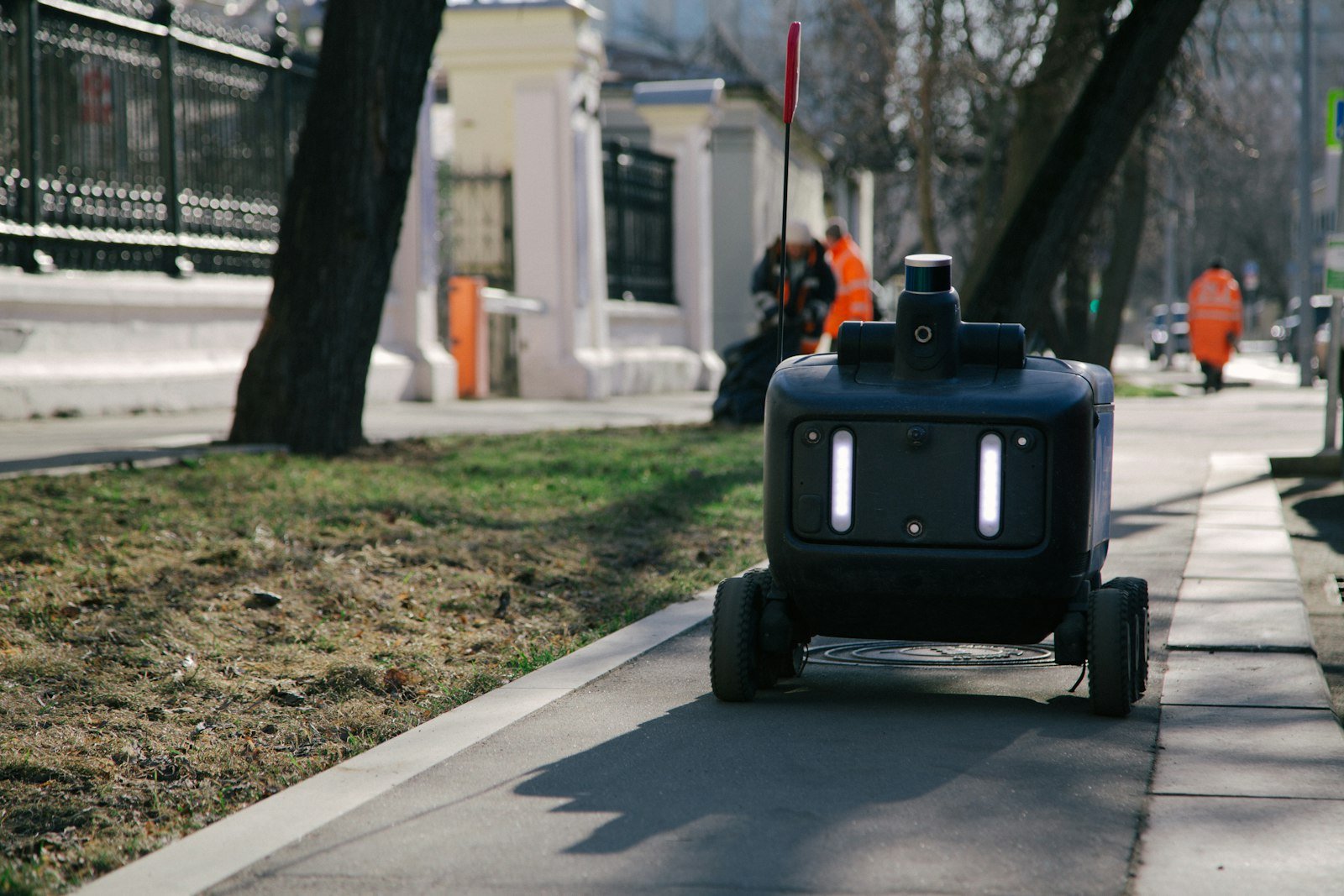
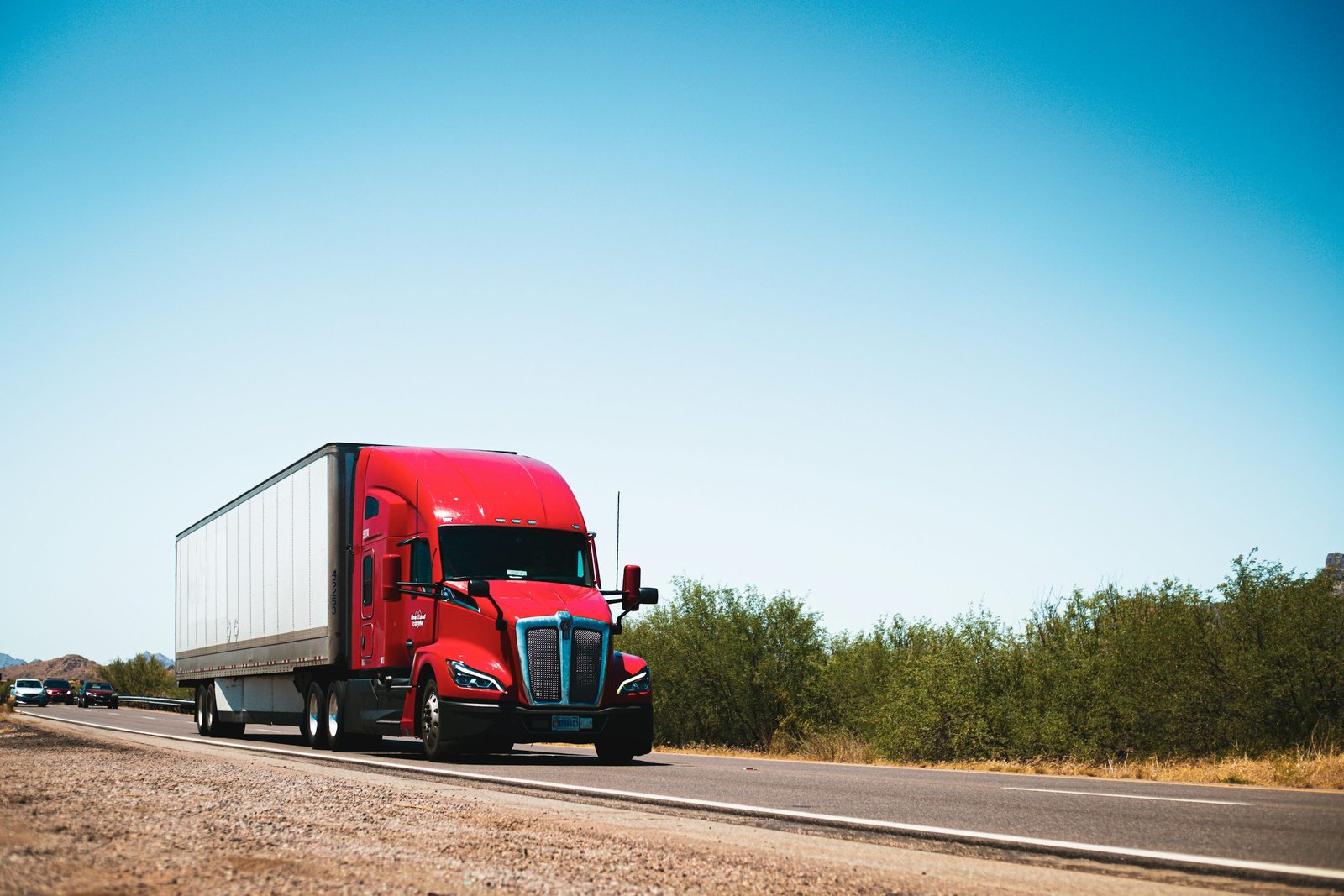
Mention "autonomous delivery" and most people picture one of two extremes: a small sidewalk robot puttering along a footpath, or a driverless semi-truck cruising down a highway. Driverless last-mile delivery vans occupy a distinct middle ground that gets far less attention, despite arguably being the hardest engineering problem of the three. A van has to navigate full public-road traffic — intersections, cyclists, double-parked cars, school zones — while making dozens of discrete stops across a suburban route, carrying a meaningfully larger parcel load than any sidewalk robot could manage and operating at street speeds a long-haul truck never has to reconcile with. Understanding where this specific technology actually stands, rather than conflating it with its better-known neighbors, matters for anyone planning transportation logistics strategy around automation over the next several years.
What a Driverless Delivery Van Actually Is
A driverless delivery van is a light commercial vehicle — generally similar in size to a standard parcel van — fitted with self-driving sensors and software so it can navigate public roads without a human driver behind the wheel, carrying anywhere from a few dozen to around a hundred parcels per route depending on the model. This sits deliberately between two other automated delivery categories already covered on our blog: it is larger-capacity and longer-range than the sidewalk delivery robots now appearing in some dense urban neighborhoods, which are built for short hops on pedestrian paths rather than road travel, and it is far smaller and more maneuverable than the autonomous trucks being tested for highway long-haul routes between distribution hubs. The van category exists specifically to serve suburban and exurban multi-stop parcel routes — the kind of delivery run a sidewalk robot's limited range can't cover and a full-size truck is awkwardly oversized for.
Where Real Pilots Stand Today
It is important to be precise here, because press coverage of this space tends to blur pilot programs with commercial deployment. As of late 2026, no market has driverless delivery vans operating unsupervised at meaningful commercial scale. The most concrete recent example is Omniva, the Estonian postal operator, which began a four-month trial of unmanned electric parcel vehicles in October 2025 across Tallinn, Tartu and Peetri — vans that follow predefined routes, stop precisely at parcel lockers, carry up to around 100 parcels in a locked compartment, and operate under constant remote-operator supervision with a speed cap near 25 km/h. In the UK, grocery retailer Ocado has planned a trial of driverless delivery vans on urban routes in partnership with self-driving software developer Wayve, while supermarket chain Asda has explored a related program equipping delivery vans with cameras and computer vision under a safety driver's supervision. Earlier and more limited precedents include a 2020 pilot in which Waymo's self-driving minivans, with a trained safety driver aboard at all times, moved packages between UPS retail locations and sorting facilities in the Phoenix area — notably not home delivery at all, but inter-facility movement. General Motors' Cruise and BrightDrop units separately explored driverless package van concepts before Cruise's robotaxi operations were wound down, a reminder that this field has already seen ambitious programs scaled back or cancelled.
Why Suburban Routes Are the Realistic Target
The economics of last-mile delivery explain why suburban and exurban routes, rather than dense city cores or rural areas, are where this technology is being aimed first. Dense urban cores already have workable automation options in sidewalk robots and cargo bikes, which avoid the regulatory complexity of unsupervised road driving entirely. Deep rural routes, meanwhile, involve longer stretches of higher-speed road and more unpredictable conditions that remain harder for current self-driving systems to handle confidently. Suburban neighborhoods sit in a sweet spot: predictable, mapped residential street grids; moderate traffic speeds; and delivery stop density high enough to justify the capital cost of an automated vehicle, but too spread out for a sidewalk robot's limited range to cover efficiently. This is also precisely the segment where last-mile cost optimization matters most, since driver labor is typically the single largest cost component of a suburban parcel route.
Driverless Vans vs. Sidewalk Robots vs. Autonomous Trucks
| Factor | Sidewalk Robots | Driverless Delivery Vans | Autonomous Trucks |
|---|---|---|---|
| Operating surface | Sidewalks, pedestrian paths | Public roads, residential streets | Highways, hub-to-hub corridors |
| Typical capacity | A handful of parcels | Dozens to ~100 parcels | Full trailer load |
| Typical speed | Walking pace | ~25 km/h in current pilots | Highway speed |
| Target use case | Dense urban, single neighborhood | Suburban multi-stop parcel routes | Long-haul hub-to-hub transport |
| Current status (2026) | Limited commercial use in some cities | Supervised pilot programs only | Supervised pilot programs, select corridors |
Why Companies Keep Investing Despite Setbacks
Given the cancellations and scaled-back programs in this space, it's worth asking why postal operators, grocery chains and logistics technology companies keep funding driverless van pilots rather than walking away. The answer comes down to labor economics. Driver wages, benefits and the growing shortage of commercial driving licenses in several markets make the driver the single largest recurring cost on most last-mile parcel routes, often exceeding fuel, maintenance and vehicle depreciation combined. Even a partial reduction in that cost — for example, a system where one remote operator supervises several vans simultaneously rather than one driver per vehicle — would meaningfully change last-mile unit economics at scale. That prospective payoff is large enough that companies have kept investing through multiple rounds of disappointing timelines, even as individual programs like Cruise's robotaxi unit have been wound down entirely. It is also why interest tends to resurface in new markets even after a setback in another: Omniva's Estonian trial launched well after the earlier US pilots had already cooled, suggesting operators view this as a long-term bet rather than a race with a fixed finish line.
Geography and Climate Add Further Variables
Beyond regulation and unpredictable street conditions, geography plays a bigger role in this technology's readiness than headlines often acknowledge. Current pilots cluster in markets with relatively flat terrain, well-maintained road markings and moderate climates — Estonia's trial, for instance, operates in cities with orderly grid layouts and capped speeds well below what a steep, poorly marked, snow-covered suburban street would demand of the same sensor suite. Heavy rain, snow accumulation obscuring lane markings, and glare from low-angle winter sun all degrade the camera and lidar systems these vans depend on, which is part of why none of the current trials operate in markets known for severe winter weather at full scale. Expect the earliest viable commercial markets for driverless vans to be temperate, well-mapped suburbs before the technology extends to more challenging geographies and climates.
Technical and Regulatory Hurdles Still Unresolved
- Unpredictable residential conditions: Children running into the street, pets, trash cans, delivery competitors' vehicles and narrow driveways create a far messier operating environment than a mapped highway lane.
- Regulatory approval for unsupervised operation: Most current pilots keep a remote operator or safety driver in the loop specifically because full regulatory sign-off for unsupervised road operation in mixed residential traffic has not been broadly granted. Authorities such as the U.S. National Highway Traffic Safety Administration continue to develop the safety framework automated vehicles of every type will eventually need to satisfy.
- The last 20 meters: Even a perfectly self-driven van still needs someone, or something, to carry a parcel from the curb to a doorstep, through a gate, or up an apartment stairwell — a problem automated vans alone don't solve.
- Economics at scale: Vehicle and sensor costs need to fall, and remote-operator staffing ratios need to improve, before driverless vans are reliably cheaper than a human driver on most routes.
What This Means for Shippers Today
For e-commerce brands and shippers planning transportation logistics investment over the next few years, the realistic takeaway is that driverless delivery vans remain a pilot-stage technology to watch rather than a deployment option to plan around in the near term. None of the current trials — Omniva's in Estonia, Ocado and Wayve's in the UK, or the various scaled-back US programs — have announced a clear, dated path to unsupervised commercial operation at scale, and shippers should treat vendor timelines for "fully driverless by [year]" claims with healthy skepticism given how many earlier such claims across the autonomous vehicle industry have slipped by several years or been abandoned outright. That makes human-driven last-mile delivery, supported by better routing software and the kind of smart locker and pickup-point networks already in wider use, the dependable foundation for suburban delivery planning today, with driverless vans as a technology to monitor and potentially adopt selectively once a given market's pilots mature and regulatory clarity improves.
How RR Brothers and Logistics Can Help
While driverless van technology is still maturing, RR Brothers and Logistics already helps e-commerce and SME clients build efficient, cost-controlled last-mile delivery networks using the tools available today — optimized multi-stop routing, parcel locker integration, and reliable road freight capacity across our China-origin trade lanes. As automation technology in transportation logistics matures, we track these developments so our clients' delivery strategies stay current rather than locked into yesterday's assumptions about what last-mile delivery has to look like.
Frequently Asked Questions
No, not at commercial scale. As of late 2026, driverless delivery vans remain in supervised pilot programs, typically with a remote operator monitoring the vehicle and a safety driver aboard during many trials, rather than running unsupervised commercial routes.
Sidewalk robots are small, slow units that travel short distances on pedestrian paths to serve a single neighborhood, while driverless delivery vans drive on public roads at street speeds and carry dozens of parcels across a wider, multi-stop suburban route.
Autonomous trucks are designed for highway long-haul routes carrying full trailer loads between hubs, not for navigating residential streets and making dozens of individual stops, which is a fundamentally different driving and routing problem that vans are built to handle.
Beyond the underlying self-driving technology, unresolved regulatory approval for unsupervised operation on public roads, together with the complexity of safely handling unpredictable residential street conditions such as children, pets, parked cars and narrow driveways, remain the main obstacles to moving from pilot to commercial scale.