Freight forwarder vs shipping line is one of the first questions a new shipper faces, because anyone who ships goods by sea soon meets two kinds of company that both seem to sell the same thing. A shipping line owns and operates the vessels. A freight forwarder arranges your shipment, often by buying space from those same lines. The two are not rivals so much as different parts of the chain, and the difference matters for price, service, paperwork and who you call when something goes wrong. This guide explains the roles, where NVOCCs fit in between, and how to decide whether to book direct or through a forwarder.
If you want the basics of forwarding first, see our guide to what freight forwarding is.
What a Shipping Line Does
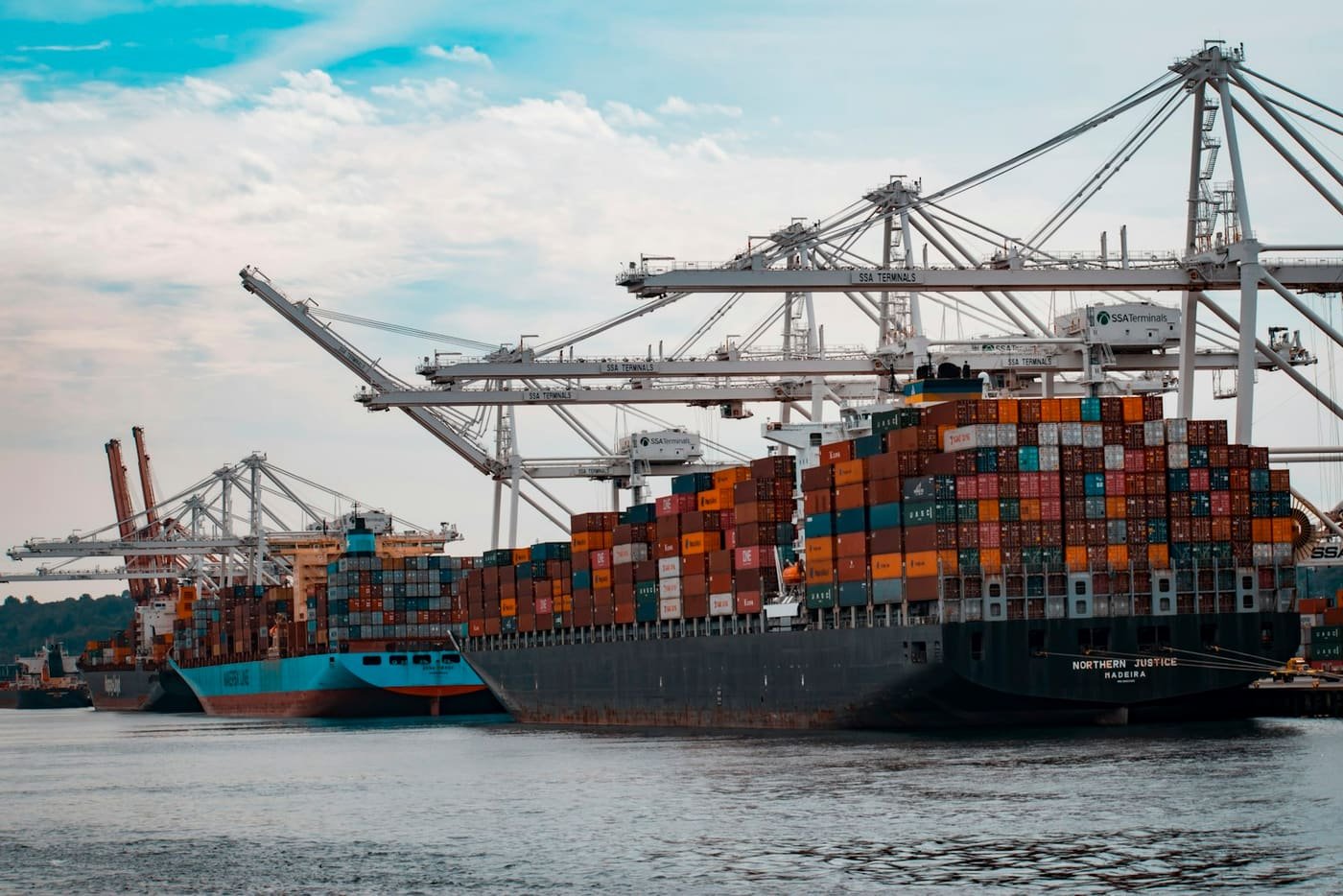
A shipping line, also called an ocean carrier or vessel-operating carrier, runs the ships. It publishes sailing schedules, sells container space, issues a bill of lading for the cargo it carries and is responsible for carrying the cargo from the port of loading to the port of discharge under the terms of that contract. Large shippers with regular volumes often have direct contracts with lines. Smaller or irregular shippers usually do not, because a line's focus is on running vessels and serving customers at scale.
What a Freight Forwarder Does
A freight forwarder works for the shipper, not the vessel. It arranges the move end to end: quoting, booking space, collecting and consolidating cargo, preparing or checking documents, coordinating customs clearance and arranging delivery. FIATA frames the forwarder's job around outcomes: goods that arrive in the right place, on time, in good condition and at a sensible cost. A forwarder can serve many shippers across many lines, which gives it a view of routings and options that a single line cannot.
Where the NVOCC Fits
Between the two sits the non-vessel-operating common carrier. Under United States rules, 46 CFR 515.2 says an NVOCC is a common carrier that does not operate the vessels by which the ocean transportation is provided, and is a shipper in its relationship with an ocean common carrier. In plain terms, an NVOCC buys container space from vessel operators, sells it on to its own customers and takes on the role of carrier towards them, usually issuing its own bills of lading.
The same regulation defines an ocean freight forwarder differently: a person that dispatches shipments from the United States via a common carrier, books or arranges space for them on behalf of shippers, and processes the documentation or performs related activities. Many companies do both. That is why labels vary, and why you should ask any provider which role it plays on your shipment. Our guide to NVOCCs explains the model in more detail.
Side-by-Side Comparison
| Question | Shipping line | Freight forwarder | NVOCC |
|---|---|---|---|
| Operates vessels? | Yes | No | No |
| Whose side is it on? | Its own contract of carriage | The shipper's | Acts as carrier to its customers |
| Who do you contract with? | The line, directly | The forwarder | The NVOCC, which contracts with the line |
| Bill of lading issued | Its own | Usually the line's, or its own if it also acts as NVOCC | Its own |
| Typical customer | Large or contract shippers | Businesses of all sizes | Shippers of smaller volumes, LCL cargo |
| Coverage | Its own network | Many lines and modes | A chosen set of lanes and services |
| Extras | Carriage and port services | Documents, customs support, multimodal, advice | Consolidation and flexible container sizes |
Master and House Bills of Lading
The bill of lading is where the difference shows up on paper. When a line carries your cargo directly, it issues its bill of lading to you as the shipper. When a forwarder or NVOCC consolidates cargo from several customers into one container, the line typically issues a bill of lading to the forwarder or NVOCC for the whole container, often called the master bill, and the forwarder or NVOCC issues its own bill to each customer, often called the house bill. This matters because it decides who you deal with if cargo is released, delayed or damaged. Ask which document you will receive and who issues it, and see our guide to bill of lading types for the options.
When to Book Direct With a Shipping Line
- You ship large, regular volumes and can negotiate a contract.
- You have an in-house team that handles documentation, customs and inland movement.
- You use a single lane and a carrier whose network fits it.
- You want the carrier's own contract of carriage with no intermediary.
When to Use a Freight Forwarder
- Your volumes are small or irregular, or you ship LCL.
- You need help with documents, customs and delivery as well as the ocean leg.
- You ship on several lanes and want one party to coordinate them.
- You want a view across carriers and routings and advice on options.
- You have little time or in-house experience, and want one point of contact.
Our guide to freight forwarding vs direct carrier booking explores the trade-offs further.
What Does Not Change Either Way
Whoever carries the cargo, some responsibilities stay with you. In India, the importer who presents a bill of entry must, under Section 46(4A) of the Customs Act, 1962, ensure the accuracy and completeness of the information, the authenticity of supporting documents and compliance with any restriction or prohibition. Customs brokerage at an Indian customs station is licensed under Section 146 of the same Act, so ask who will clear the cargo whether you book with a line or a forwarder. And under SOLAS guidance from the IMO, the shipper declares the verified gross mass of each packed container before loading.
Questions to Ask Either Type of Provider
- Which party issues the bill of lading, and what are its terms?
- Who is responsible if the cargo is delayed, damaged or lost, and under what limits?
- Who handles customs at each end, and are they licensed?
- What is included in the price and what is excluded?
- Who is my contact on the day something goes wrong?
How the Cost Differs
A shipping line prices its own service: ocean freight, surcharges and the local charges it controls. A forwarder prices the line's service plus its own work, which may be shown as a fee or built into the rate. An NVOCC prices space it has bought in bulk and resold. Comparing them is not a matter of finding who is cheaper on the ocean leg alone. It is a matter of comparing the whole job: what a line would charge, plus what it would cost you, in money and time, to arrange the documents, customs, inland legs and problem handling yourself. Our guide to how freight forwarding rates are calculated lists the usual lines.
Liability and Claims
Who is liable when cargo is delayed, damaged or lost depends on the contract and the transport document. A line is liable under the terms of its bill of lading. A forwarder or NVOCC is liable under the terms on its own documents and its trading conditions, which often set limits. Because those limits may be lower than the value of your cargo, consider insurance in any case. Ask each provider how claims are handled, by when you must notify a loss and what the limits are. Our guide to cargo insurance for China-origin shipments explains the cover options.
Service Differences in Practice
- Schedules and terms: a line works to its own sailing schedule and standard terms, with limited room to tailor them for a small customer.
- Advice: a forwarder or NVOCC can compare options across lines and recommend a routing, a container size or a mix of modes.
- Documents and customs: a line carries the cargo, while a forwarder can also prepare documents and coordinate clearance.
- Problem handling: with a line, you manage the exception yourself or through your own team. With a forwarder, the forwarder can manage it with the line for you.
- Flexibility: an NVOCC can offer smaller loads and more frequent departures through consolidation.
Working With RR Brothers and Logistics
RR Brothers and Logistics is an NVOCC and international freight-forwarding company. We buy space from carriers, consolidate cargo and issue our own documents, and we support customs clearance and delivery. See our sea freight and air freight services, or send us your cargo details and we will explain how your shipment would be handled.
Frequently Asked Questions
A shipping line owns and operates the vessels and issues the carrier's bill of lading. A freight forwarder arranges the shipment for the shipper, usually by booking space with lines, and adds documents, customs support and coordination.
Under 46 CFR 515.2, a non-vessel-operating common carrier is a common carrier that does not operate the vessels used for the ocean transport and is a shipper in its relationship with an ocean carrier. It sells container space and issues its own bills of lading.
Not necessarily. Large shippers with contracts may get strong rates, but smaller shippers often cannot, and the cost of managing documents, customs and inland legs yourself must be counted. Compare the total, not just the ocean rate.
When cargo is consolidated, the line issues a master bill to the forwarder or NVOCC for the container, and the forwarder or NVOCC issues house bills to each customer. Ask which one you will receive.
You still need a clearance arrangement. Customs brokerage is licensed under Section 146 of the Customs Act, so you or your broker must file the bill of entry, and the importer remains responsible for its accuracy.
Some companies act in both roles, for example an NVOCC that also offers forwarding services. Ask which role the company plays on your shipment, because that decides who issues the transport document and who is responsible.
Sources
- FIATA: About freight forwarding (definition of freight forwarding services)
- Cornell LII: 46 CFR 515.2, definitions (NVOCC and ocean freight forwarder)
- CBIC: Customs Act, 1962 (Sections 46 and 146)
- IMO: Verification of the gross mass of a packed container (SOLAS)
This article is general information, not legal, tax or customs advice. Rules, rates and procedures change; confirm current requirements with the relevant authority or a licensed customs professional before you ship. Regulatory references were checked against the official sources listed above on 25 October 2026.
Image credits: header photo by Albert Stoynov on Unsplash; photo by Andy Li on Unsplash. Used under the Unsplash License.
Request a Quote