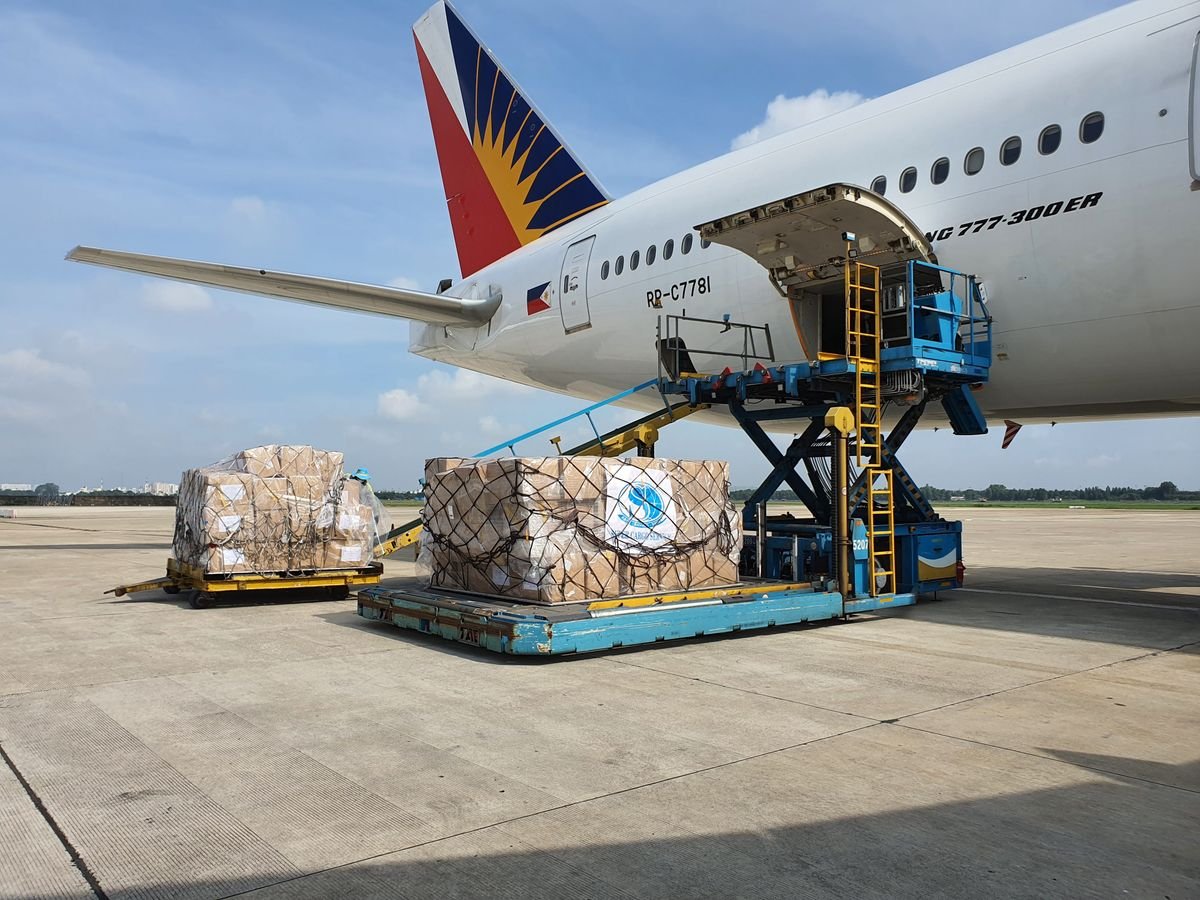
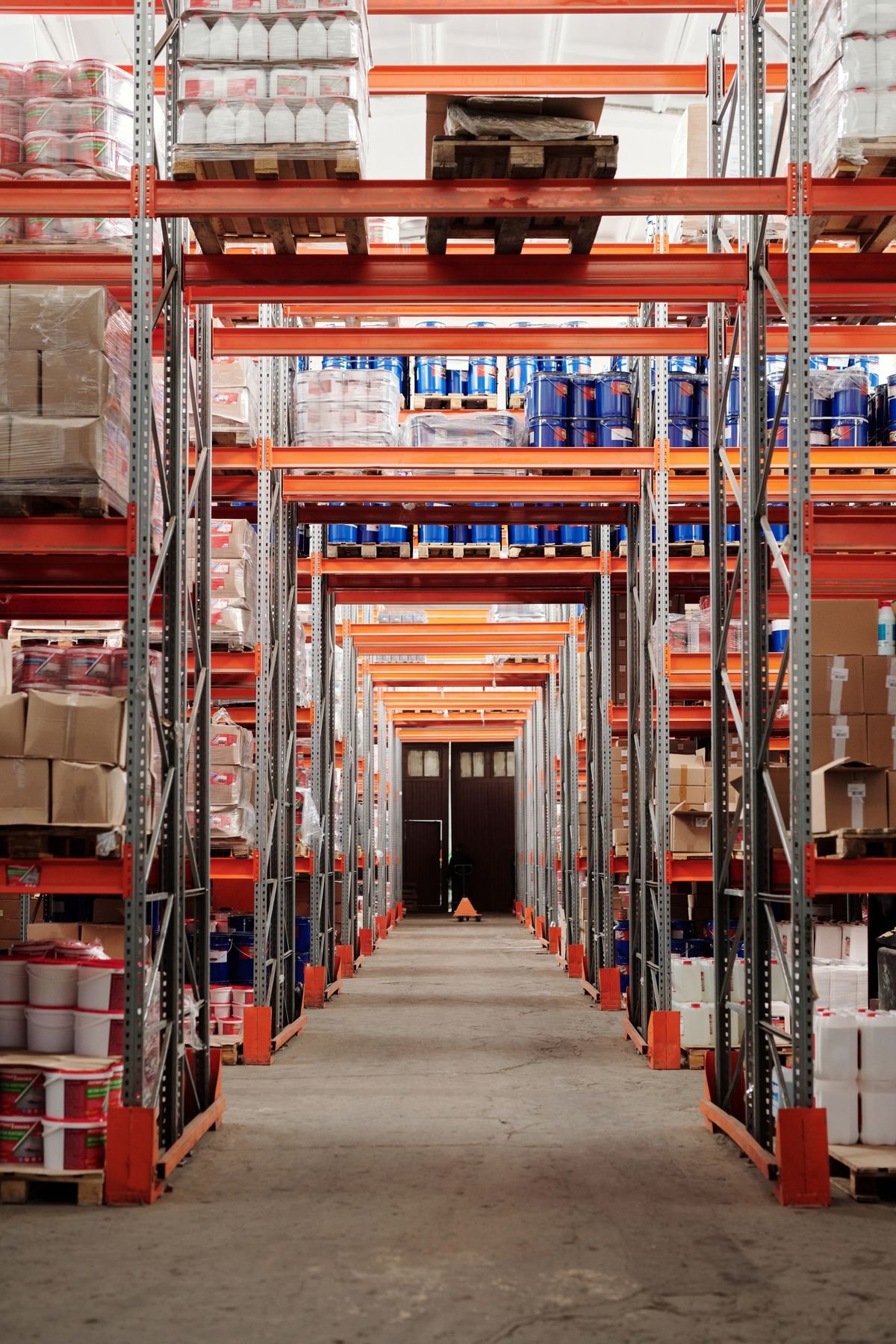
Airport handling is the part of an air shipment you rarely see and often pay for. Between the moment your cargo is handed to the airline's agent and the moment it is loaded, and again after it lands, it is received, checked, screened, built up onto equipment, staged, loaded, unloaded, broken down and released. Each of those steps takes time, can carry a charge and is a point where cargo can be damaged or delayed. This guide follows a consignment through an airport in order, explains unit load devices and cargo security status, shows how handling affects time, cost and condition, and ends with a preparation checklist.
For the mode decision, see air freight vs sea freight. For the paperwork that travels with the cargo, see air cargo documentation.
A Consignment's Journey Through the Airport
The sequence below is general. The exact steps, rules and timings differ by airport, airline and country.
- Acceptance. The cargo and its documents are received and checked against the booking and the air waybill.
- Security controls. The cargo is screened or shown to come from a secure supply chain.
- Build-up. Cargo is grouped into unit load devices, which are containers or pallets with nets built for aircraft.
- Staging. Built-up units wait in the terminal until it is time to load them.
- Loading. Units are moved to the aircraft and restrained in its cargo loading system.
- Flight and transfer. The aircraft flies, and cargo may change aircraft at a connecting airport.
- Offload and breakdown. At the destination, units are unloaded and taken apart, and the cargo is sorted.
- Customs and release. The cargo is made available for clearance, and then for collection or delivery.
What a Unit Load Device Is
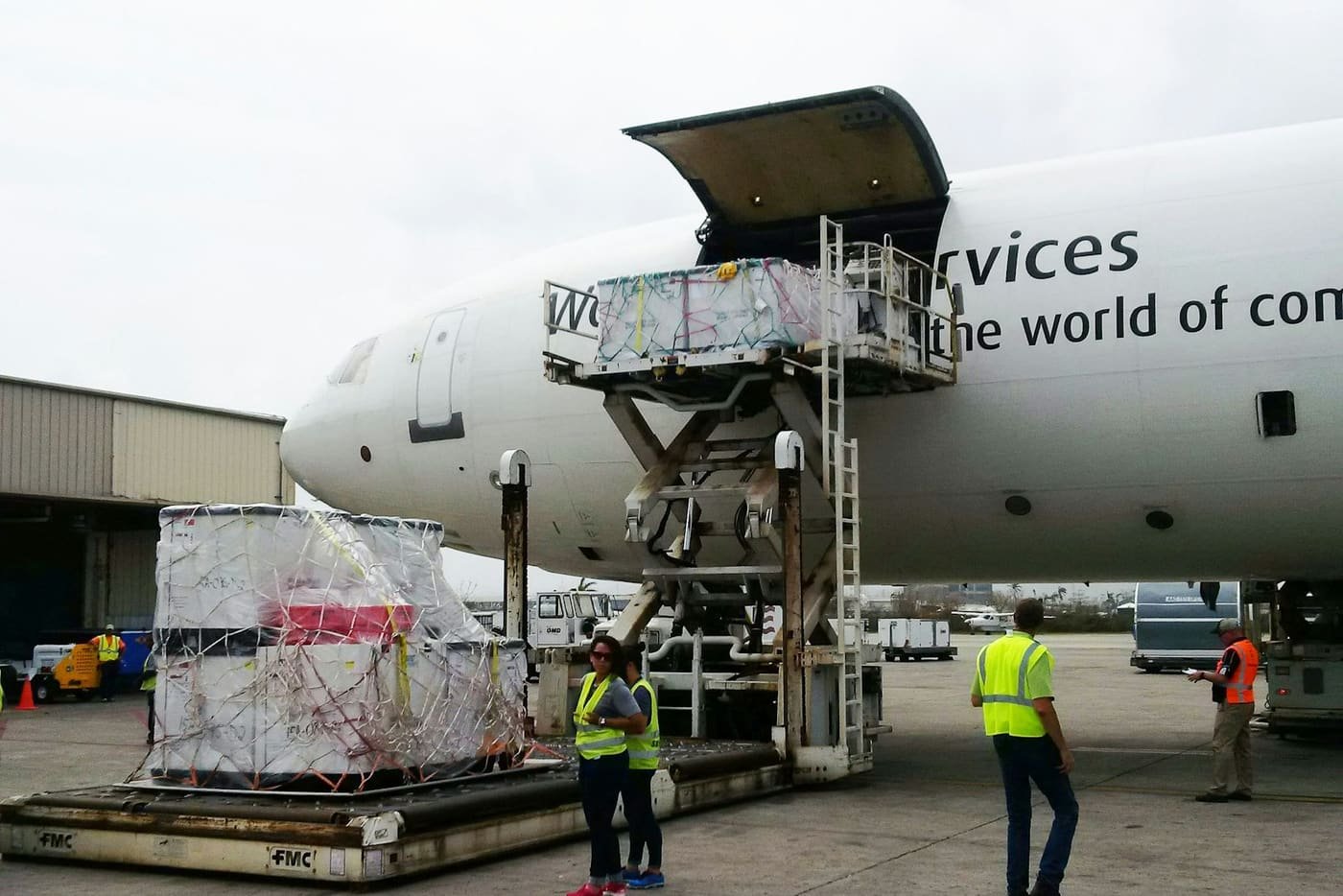
IATA defines an aircraft unit load device, or ULD, as a device for grouping and restraining cargo, mail and baggage for air transport. It is either an aircraft container or a combination of an aircraft pallet and an aircraft pallet net. A ULD is designed to be restrained directly by the aircraft's cargo loading system, and it becomes part of the aircraft's structure during flight. That is why the way it is built up matters. IATA's guidance is that items should be interlocked so that they are less likely to shift, and that heavier items belong at the bottom.
IATA also says the airline stays responsible for overseeing proper handling of ULDs even when the work is subcontracted, and that whoever holds a ULD is responsible to its owner for its serviceability. For you, the lesson is practical: your cargo will be lifted, stacked and strapped by people you never meet, so it has to be packed to be handled that way.
Security: Known, Secure and Unknown Cargo
Security controls decide how fast cargo moves through acceptance. IATA's white paper describes a layered approach in which freight forwarders, handlers, operators, shippers, regulated agents, known consignors, customs authorities, safety and security authorities and airport operators all play a part. It defines:
- Secure cargo as cargo screened by a regulated agent, or originating from a known consignor approved by the authorities, that stays protected from unlawful interference until it is loaded and at transfer and transit points.
- A known consignor as an originator of shipments who has established business with a regulated agent or an operator and has demonstrated that it meets specific requirements for safe transportation of cargo.
- Unknown cargo as cargo that has not been subjected to appropriate security controls, which may include screening.
Unknown cargo needs more handling before it can fly, so ask your forwarder how your cargo will be treated and whether it works with regulated agents. The white paper also stresses that cargo screening staff generally choose the most suitable method for each consignment, which is another reason to avoid surprises in packing and documents.
How Handling Affects Time
Handling adds time before the flight and after it. Before the flight, cargo has to arrive by the acceptance cut-off, pass security and be built up, so a late arrival at the terminal can mean the next flight. After the flight, units have to be taken apart and the cargo sorted before customs can examine it or you can collect it. We do not quote fixed handling times, because they vary by airport and by day. Ask your forwarder for the cut-offs and for the time the destination airport typically needs. Our guide to booking cut-off times explains why they are firm.
How Handling Affects Cost
IATA's tariff guidance lists terminal handling fees among accessorial fees, and storage and repairing damaged packaging among other service charges. Handling charges can be flat or per kilogram, so ask. Storage becomes a cost when cargo waits for clearance or collection, which is why customs preparation matters. Under Section 46 of the Customs Act, 1962, a bill of entry can be presented up to thirty days before expected arrival, and Section 48 allows goods not cleared, warehoused or transhipped within thirty days of unloading, or any longer period the officer allows, to be sold after notice to the importer. File early, and have the duty funds ready, since Section 47 makes duty on a self-assessed entry payable when it is presented.
How Handling Affects the Condition of the Cargo
Every transfer is a chance for damage. Cargo is lifted onto pallets, wrapped, strapped, moved by loaders and tugs, and taken apart again. Cartons at the bottom of a ULD carry the weight of those above. Pack so that the outer carton can bear stacking, use pallets only where they help, protect corners and edges, and mark the cartons clearly. If any packaging is raw wood, the standard ISPM 15 requires treatment and marking. See our guide to packaging and palletizing standards.
Who Is Responsible for What
- The shipper is responsible for accurate documents and, for dangerous goods, for packaging, labelling and the declaration. IATA says goods cannot be accepted if the declaration is not completed correctly.
- The forwarder coordinates the booking, the handover and the paperwork.
- The ground handler receives, builds up and loads the cargo.
- The airline carries the cargo and oversees handling of its units.
- The importer files the customs entry and pays the duty at the destination.
How to Prepare Your Cargo for Airport Handling
- Pack for stacking, strapping and several lifts, not only for the flight.
- Measure and weigh the packed cargo and keep the figures consistent with the air waybill.
- Mark each package clearly with the consignee, reference and handling marks.
- Confirm the security status with your forwarder and allow time for screening.
- Declare dangerous goods early, or confirm there are none.
- Confirm the acceptance cut-off, and get the cargo to the terminal before it.
- Prepare customs and the duty funds before the aircraft lands.
Connecting Airports and Extra Handling
Cargo that changes aircraft at a connecting airport can be taken apart and built up again, depending on the airline and the airport, which adds handling and another chance for delay or damage. When you compare quotes, ask whether the routing is direct or connecting, where any transfer takes place and what the airline's usual connection arrangements are. A cheaper routing with a transfer may be fine for robust cargo and poor for fragile or valuable goods.
Questions to Ask Your Forwarder About Handling
- What is the acceptance cut-off, and where must the cargo be delivered?
- How will my cargo be treated for security, and can it be accepted as known cargo?
- Is the routing direct or connecting, and where are the transfers?
- Who builds up the cargo, and what are the handling and storage charges at each end?
- What happens if my cargo misses its flight or is offloaded?
- How will I be told about damage or delay, and how quickly?
Common Handling Problems
- Cargo arrives after the cut-off and misses the flight.
- Weights or piece counts differ from the air waybill.
- Cartons crush under the weight of those stacked above them.
- Undeclared dangerous goods are found at acceptance.
- Cargo waits at the destination because clearance is not ready.
Plan Airport Handling With RR Brothers and Logistics
RR Brothers and Logistics coordinates handover, documents and clearance for air freight from China, and supports customs clearance at the destination. Send us your cargo details with packed dimensions and the date you need the goods.
Frequently Asked Questions
The steps cargo goes through at an airport: acceptance, security controls, build-up, staging, loading, offload, breakdown and release. The details vary by airport and airline.
IATA defines it as a device for grouping and restraining cargo, mail and baggage for air transport. It is either an aircraft container or a combination of an aircraft pallet and a net.
IATA describes known or secure cargo as cargo that has had appropriate security controls applied and stays protected until loading. Unknown cargo has not been subjected to appropriate security controls, which may include screening.
IATA lists terminal handling fees among accessorial fees, and storage and repair of damaged packaging among other service charges. Storage grows if cargo waits for clearance.
Pack for stacking, strapping and repeated lifts, mark each package clearly and keep weights and counts consistent with the air waybill.
It depends on the stage, the contract and the applicable rules. IATA says the airline remains responsible for overseeing handling of its units even when work is subcontracted, so report damage promptly and in writing.
Sources
- IATA: What is an aircraft ULD in air transport?
- IATA: White paper on safety and security in the cargo supply chain
- IATA: Air cargo tariffs and rules (accessorial fees)
- CBIC: Customs Act, 1962 (Sections 46, 47 and 48)
- IATA: What you need to know about the transport of dangerous goods by air
This article is general information, not legal, tax or customs advice. Rules, rates and procedures change; confirm current requirements with the relevant authority or a licensed customs professional before you ship. Regulatory references were checked against the official sources listed above on 25 October 2026.
Image credits: header photo by CDC on Unsplash. Used under the Unsplash License.
Request a Quote