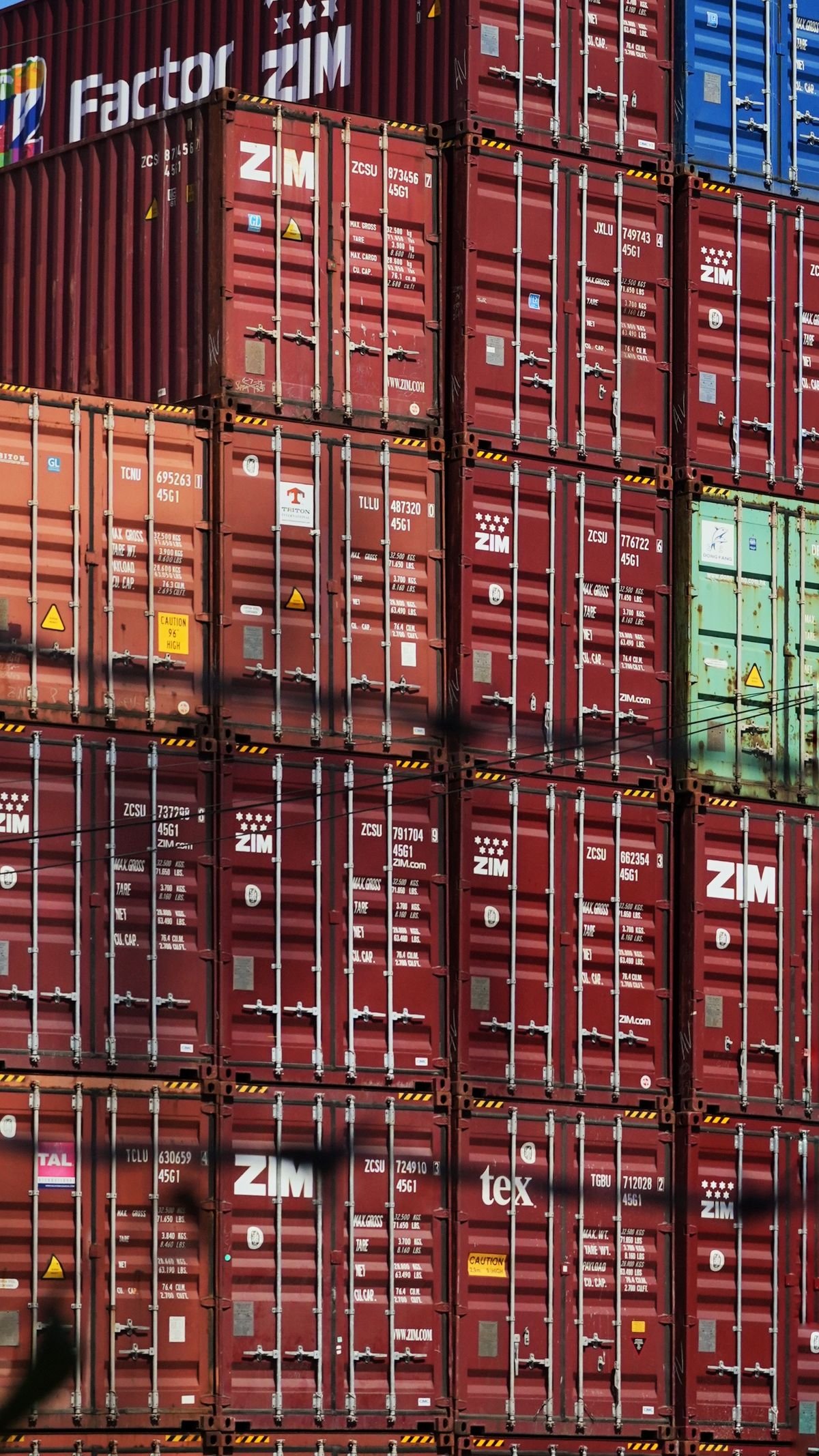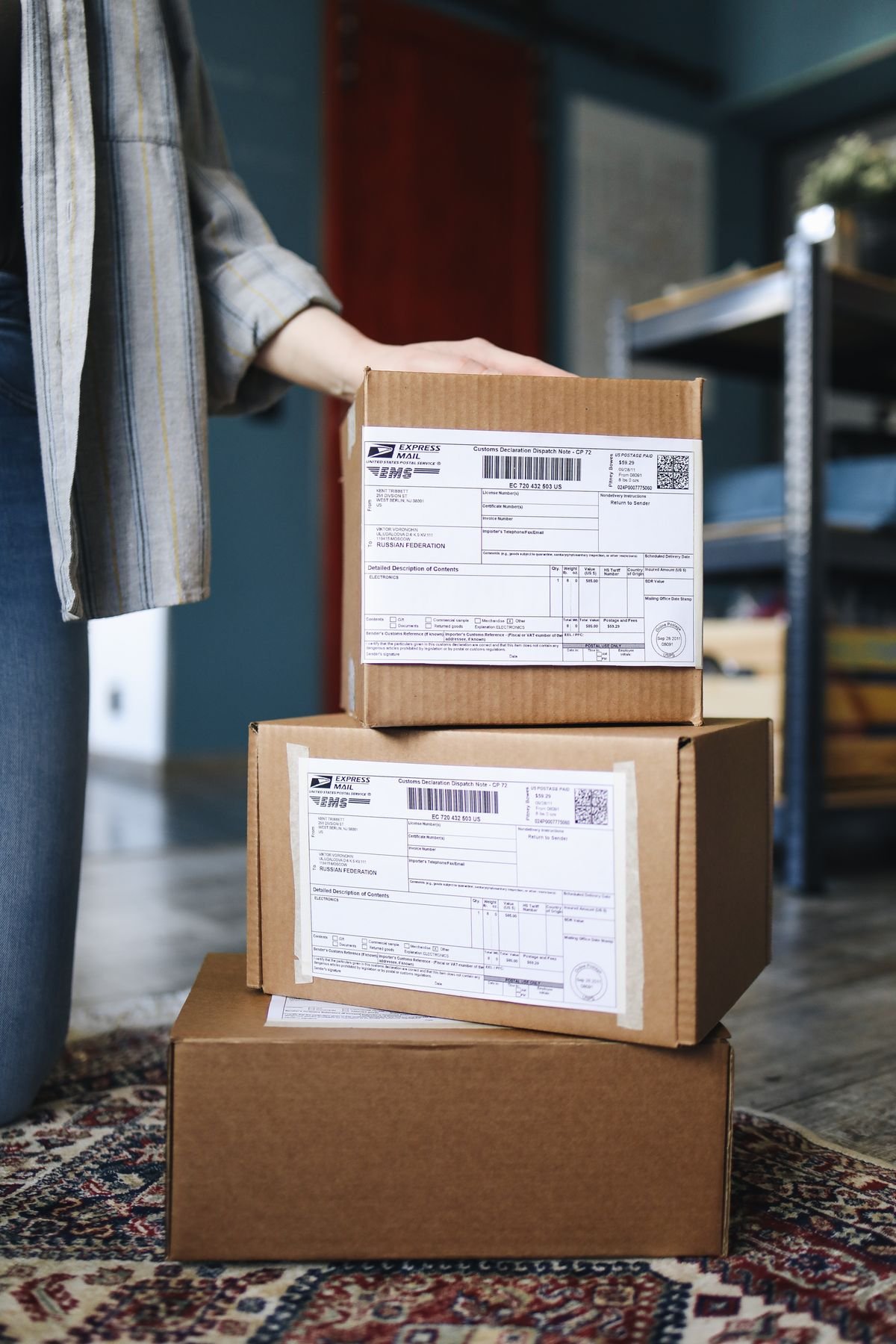
Cargo consolidation means combining several smaller shipments into fewer, fuller ones, so that fixed charges are shared and containers travel full. It can be done by a forwarder, who combines different customers' cargo in a shared container, or by a buyer, who has goods from several suppliers collected in one place and shipped together. Done well, it lowers the cost per unit and simplifies receiving. Done badly, it adds storage, delay and handling. This guide explains the main forms of consolidation, works through an example with made-up numbers, covers the risks and sets out a step-by-step process.
For the container side of the decision, see FCL vs LCL shipping. For how shared containers are sold, see what LCL shipping is.
What Consolidation Means
The international federation FIATA lists consolidation among the services that make up freight forwarding, alongside carriage, storage, handling, packing and distribution. In practice, consolidation covers anything that brings small consignments together before the main sea or air leg: a forwarder building an LCL container, a buyer gathering supplier shipments at a warehouse, or a combination of the two.
Three Common Forms
| Form | How it works | Best suited to |
|---|---|---|
| Forwarder LCL consolidation | The forwarder combines cargo from several shippers in one container and issues separate documents to each | Small shipments from one origin |
| Buyer's multi-supplier consolidation | Suppliers deliver to one warehouse or freight station, and the buyer's goods are shipped together | Buyers who purchase from several suppliers at once |
| Consolidate, then ship as FCL | The buyer's goods are gathered and packed into a full container | Buyers whose combined volume nears a container |
How Consolidation Lowers Cost
- Fewer fixed charges. Many charges are per shipment, not per unit, so one shipment carries them once instead of several times.
- Fuller containers. The cost per unit of cargo falls as a container fills.
- Fewer deliveries. One receiving event replaces several, which saves time at the warehouse.
- Better planning. A single arrival date is easier to manage than several scattered ones.
A Worked Example With Made-Up Numbers
The figures below are made up to show the method. Assume three suppliers, each with 8 m3 of cargo. LCL costs 60 per m3 plus 250 in fixed charges per shipment. A consolidation service costs 80 per supplier for collection and handling, and a 20ft container costs 1,700.
| Option | Calculation | Total |
|---|---|---|
| A. Three separate LCL shipments | 3 x (8 x 60 + 250) = 3 x 730 | 2,190 |
| B. One combined LCL shipment | (24 x 60 + 250) + (3 x 80) = 1,690 + 240 | 1,930 |
| C. One FCL, 20ft container | 1,700 + (3 x 80) | 1,940 |
Combining the cargo (option B) saves 260 against separate shipments, which is about 11.9% of 2,190. Option C costs almost the same as B at 24 m3, because a 20ft container offers 33.1 m3 on ONE's published specification and so would be only about 73% full. If the combined volume were larger, the FCL would pull ahead. In real life the rates will differ, so replace these numbers with quotes.
Benefits Beyond Cost
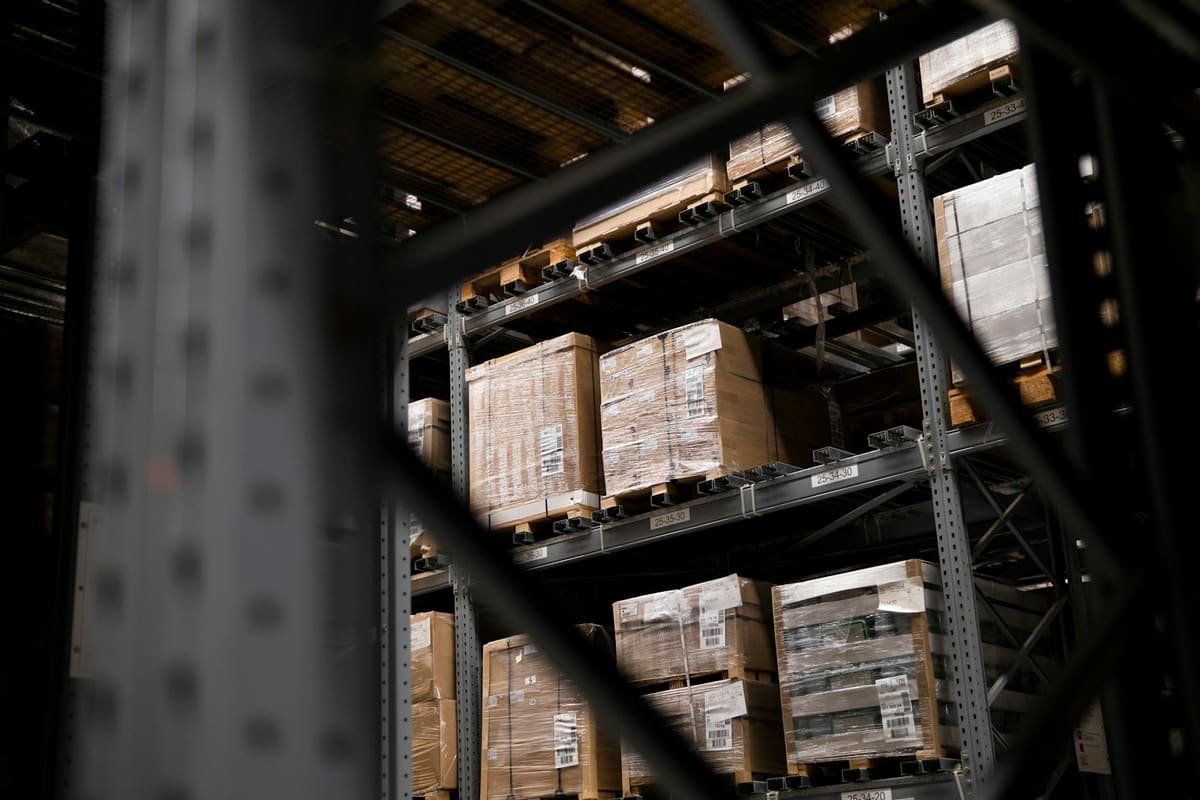
- You can inspect and check cargo from several suppliers at one point before it ships.
- You can mix products from different suppliers in one container, without waiting for any one supplier to fill it.
- You can order smaller quantities more often, which reduces the stock you hold.
- You get one set of delivery and receiving arrangements at the destination.
Where Consolidation Can Backfire
- Waiting for the slowest supplier. One late order can hold up the whole shipment.
- Storage costs. Cargo that arrives early at the consolidation point may incur storage charges while it waits.
- Extra handling. More handling raises the chance of damage, so packing and marking matter.
- Urgent goods held back. An urgent order should not wait for others.
- Mixed goods. Some goods should not share a container, for example because of odour, moisture or hazard classification.
- Complex paperwork. Several suppliers mean several invoices and packing lists to reconcile.
A Step-by-Step Process for Buyer's Consolidation
- Choose the consolidation point. A warehouse or freight station with good handling and clear receiving procedures.
- Brief every supplier. Give each the ship-to address, your marks, a purchase order reference and the cargo-ready date.
- Receive and check. Compare each delivery with its packing list and record differences with photos.
- Repack or palletise where needed. Make the cargo stable and efficient to load.
- Weigh and measure. Whoever packs the container has to be able to prove its weight. The IMO makes the shipper responsible for declaring each packed container's verified gross mass in the shipping document, ahead of loading, to the master and the terminal.
- Load and secure. For loading and securing, the voluntary CTU Code from the IMO, ILO and UNECE is a sound reference.
- Book and document. Prepare one set of shipping documents that matches the cargo actually loaded.
- Ship and track. Share the arrival date with everyone who needs it.
Paperwork and Customs
Consolidation affects the documents. Under Section 46(2) of the Customs Act, 1962, save as otherwise permitted by the proper officer, a bill of entry includes all the goods mentioned in the bill of lading or other receipt given by the carrier to the consignor. If goods from several suppliers travel under one bill of lading, plan the entry with your customs broker so that it matches. A bill of entry can be presented up to thirty days before expected arrival (Section 46), while goods left uncleared for thirty days after unloading, or for any longer period the officer allows, can be sold after notice to the importer (Section 48). File early so that the extra steps do not use up the clearance window.
Controls That Keep Consolidation Safe
- A single cargo-ready date that every supplier agrees to, with a plan for a supplier that misses it.
- Consistent marks that identify the supplier and purchase order on every carton.
- A packing list reconciled against what was received.
- Photos at receipt and at loading.
- One named person responsible for the whole shipment.
Measuring Whether It Works
Track the landed cost per cubic metre or per kilogram, the time between the first supplier delivery and sailing, the rate of discrepancies and damage, and the number of late shipments caused by one supplier. Compare these before and after you consolidate, and adjust the cut-off or the consolidation point if one measure slips. Our guide to consolidation for small ecommerce sellers and the article on freight consolidation and LCL container sharing cover how smaller sellers apply these ideas.
Is Consolidation Worth It for You? A Quick Test
Answer five questions. Do you buy from more than one supplier in the same period? Are your individual shipments small enough to be LCL? Can your suppliers agree on a common ready date? Do you have a trusted consolidation point with good handling? And is your time to market flexible enough to absorb a few days of waiting for the last supplier? If most answers are yes, consolidation is likely to help, and a quote comparison will show by how much. If several are no, for example because one supplier's goods are urgent, consider shipping that supplier's goods separately and consolidating the rest.
Who Should Run the Consolidation
You can run consolidation yourself, through a forwarder or through a dedicated consolidation warehouse. Running it yourself gives control but needs people, space and handling expertise. A forwarder or an NVOCC brings freight stations, documents and consolidation schedules. A warehouse service suits regular, multi-supplier buying. Ask each option what it charges for receiving, storage, repacking and loading, and how it reports discrepancies. Our guide to how freight forwarders reduce shipping costs shows where that help pays for itself.
Consolidate With RR Brothers and Logistics
RR Brothers and Logistics is an NVOCC and can consolidate cargo at origin, with sea freight to Indian ports and warehousing support. Send us your cargo details, including your suppliers' locations and ready dates, and we will show you how consolidation would work for you.
Frequently Asked Questions
Combining several smaller shipments into fewer, fuller ones so that fixed charges are shared and containers travel full. A forwarder can consolidate different customers' cargo, or a buyer can consolidate goods from several suppliers.
It spreads per-shipment charges over more cargo, fills containers so the cost per unit falls and reduces the number of deliveries. The saving depends on your rates, so compare quotes for separate and combined shipments.
One late supplier can delay everything, early cargo may incur storage charges, extra handling raises damage risk, urgent goods can be held back and the paperwork is more complex.
Under SOLAS guidance from the IMO, the shipper must state the verified gross mass in the shipping document and submit it in advance to the master and the terminal. Agree with your consolidator who supplies it.
It can. Under Section 46(2) of the Customs Act, a bill of entry includes all the goods in the bill of lading unless the officer permits otherwise, so plan the filing with your customs broker.
When your combined volume makes one FCL cost less than the LCL charges, as in the example where a 20ft container matched the combined LCL cost. Compare real quotes for both.
Sources
- FIATA: About freight forwarding (definition of freight forwarding services)
- ONE: Dry container specifications (20 ft, 40 ft and 40 ft high cube)
- IMO: Verification of the gross mass of a packed container (SOLAS)
- IMO: IMO/ILO/UNECE Code of Practice for Packing of Cargo Transport Units (CTU Code)
- CBIC: Customs Act, 1962 (Sections 46 and 48)
This article is general information, not legal, tax or customs advice. Rules, rates and procedures change; confirm current requirements with the relevant authority or a licensed customs professional before you ship. Regulatory references were checked against the official sources listed above on 25 October 2026.
Image credits: header photo by Arum Visuals on Unsplash. Used under the Unsplash License.
Request a Quote