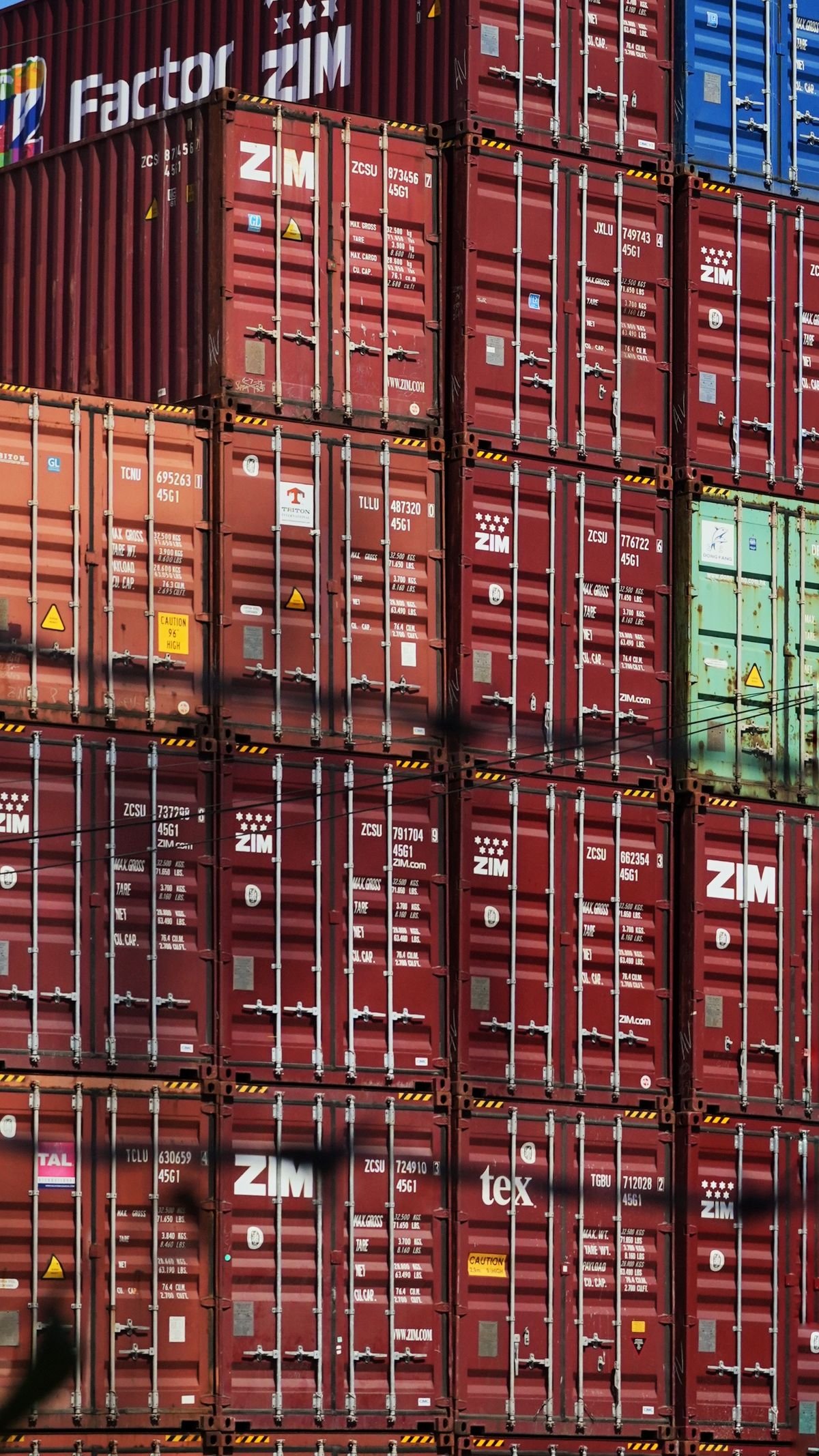
FCL and LCL are the two ways to buy space in a sea container, and the choice shapes your cost, your handling risk, your timing and your paperwork. Many buyers choose on the price per cubic metre alone and miss the other differences. This guide compares FCL vs LCL shipping on the factors that matter, works through a break-even example with made-up numbers and ends with a checklist you can use for your next shipment.
For the basics of each option, see our guides to what FCL shipping is and what LCL shipping is. For China-specific points, see LCL vs FCL for China shipments.
The Short Definitions
With a full container load (FCL), you book a whole container for your cargo alone. You pay for the container whether it is full or not, and the container is usually packed and sealed once, by the supplier or at a depot. With less than container load (LCL), your cartons or pallets travel in a container that other shippers also use. A consolidator gathers the cargo from each of them, loads it into one box, and unloads and sorts it at the far end. You are charged for the space or weight you occupy, plus handling at the freight stations.
Side-by-Side Comparison
| Factor | FCL | LCL |
|---|---|---|
| Space | A whole container for one shipper | Shared with other shippers |
| Pricing basis | Per container | Per cubic metre or tonne, usually with a minimum charge |
| Handling | Packed and sealed once, then carried to the port | Handled at freight stations at both ends |
| Departure | When your container is ready and booked | When the consolidator's container closes |
| Risk of mix-up | Lower, because fewer hands touch the cargo | Higher, because more handling points exist |
| Customs at destination | One consignment in one container | The container is opened and each consignee's cargo is cleared separately |
| Flexibility | Poor for small volumes | Good for small and mixed volumes |
A Worked Break-Even Example
The numbers below are made up to show the method. They are not real rates. Assume an all-in sea freight price of 1,800 for a 20-foot container, and an LCL price of 70 per cubic metre plus a fixed handling charge of 150 per shipment.
| Cargo volume | LCL cost | FCL cost | Cheaper option |
|---|---|---|---|
| 10 cubic metres | 850 | 1,800 | LCL |
| 20 cubic metres | 1,550 | 1,800 | LCL |
| 24 cubic metres | 1,830 | 1,800 | FCL |
| 30 cubic metres | 2,250 | 1,800 | FCL |
The break-even point is where 70 times the volume plus 150 equals 1,800, which is about 23.6 cubic metres. ONE's published specification lists a load capacity of 33.1 cubic metres for a 20-foot dry container, so in this example FCL becomes cheaper once your cargo fills about 71% of the container. Real rates will give a different break-even point, and weight can matter as much as volume, because ONE also lists a payload of 28,330 kg for the same container. Ask for both quotes and put your own numbers into the formula.

When FCL Is the Better Choice
- Your cargo fills most of a container by volume or weight.
- Your goods are fragile or high in value, and you want them packed and sealed once.
- You ship from one supplier and want control over when the container leaves.
- You have a tight delivery date and cannot wait for a consolidation to fill.
- Your cargo is sensitive to contamination or odours from other goods.
When LCL Is the Better Choice
- Your cargo is a fraction of a container.
- You buy small quantities often and cannot justify a whole container each time.
- You want to combine goods from several suppliers in one shipment.
- You are testing a new product or a new supplier with a first order.
- You value cash flow over unit cost, and do not want to tie up money in a large order.
Handling and Damage Risk
Every time cargo is lifted, moved or repacked, there is a chance of damage or loss. An FCL container is packed once and opened at the destination, so it is handled less. LCL cargo is received at a freight station, combined with other cargo, loaded, discharged, separated and collected. That does not make LCL unsafe. It means packing quality matters more. The CTU Code, a voluntary code of practice from the IMO, ILO and UNECE on packing containers and other cargo transport units, is a useful guide to strong packing and securing for either option.
Speed and Scheduling
FCL gives you control: the container leaves when you have packed it and the booking allows. LCL depends on the consolidator's schedule, because the container closes at a cut-off date and may wait for enough cargo. At the destination, LCL cargo also has to be separated before it can be collected. Transit times differ by route and service, so we do not quote a fixed figure here. For LCL, ask for the consolidation cut-off, the sailing schedule and an estimate that includes the time to separate the cargo at the destination.
Paperwork and Customs
With FCL, you or your supplier typically receive a bill of lading for the container. With LCL, the consolidator usually issues a house bill of lading to each shipper for its part of the cargo, while the carrier issues a bill for the whole container to the consolidator. Ask which document you will receive.
At the Indian end, the Customs Act, 1962 lets the importer present the bill of entry up to thirty days before the expected arrival (Section 46). It also lets goods that stay uncleared for thirty days after unloading, or for any longer period the officer allows, be sold after notice to the importer (Section 48). LCL cargo has to be separated from the shared container before it can be cleared, so file early and do not let that thirty-day period run down while you wait for paperwork.
Cash Flow and Stock Levels
The container choice also shapes your money. FCL usually means buying a larger quantity per order, which ties up cash and needs space to store the goods. LCL lets you order smaller quantities more often, so you hold less stock and spend less up front, at a higher freight cost per unit. Put a number on both sides: the extra freight you pay for LCL, against the cost of financing and storing the extra stock you would hold with FCL. For a fast-selling product with steady demand, FCL can win. For a slow seller, a new line or an uncertain forecast, LCL can be the cheaper way to learn how the product sells.
Insurance and Claims
Whichever option you choose, insure the cargo for its full value. With LCL, your goods share a container with other shippers' cargo, and a claim can involve more parties, such as the consolidator, the freight stations and the carrier. Ask your forwarder how claims are handled, by when you must report damage and what the liability limits are. Our guide to cargo insurance for China-origin shipments explains the cover options.
A Six-Question Decision Checklist
- How many cubic metres and kilograms is the shipment, and how much of a container does that fill?
- What does the break-even calculation say, using real quotes for both options?
- How fragile or valuable is the cargo?
- How firm is your delivery date?
- Will you ship this cargo regularly, or is it a one-off?
- Do you need to combine goods from several suppliers?
Hybrid Strategies
You do not have to choose one option forever. Many importers start with LCL for first orders, move to FCL when volumes grow, and use LCL again for small top-up shipments. Others combine several suppliers' goods into one FCL, which gives LCL-style flexibility with FCL-style handling. Our guide to cargo consolidation explains how that works.
Common Mistakes
- Comparing the LCL rate per cubic metre with the FCL price without adding handling charges.
- Ignoring weight, so that a dense cargo exceeds a container's payload before it is full.
- Choosing LCL for a cargo that nearly fills a container, when FCL would cost about the same and carry less risk.
- Forgetting that LCL cargo must be separated at the destination before clearance.
- Not checking who issues the bill of lading.
Choose With RR Brothers and Logistics
RR Brothers and Logistics, as an NVOCC, can quote both FCL and LCL sea freight from China, so you can compare them on your own cargo. Send us your cargo details with volume and weight, and we will show you both options side by side.
Frequently Asked Questions
With FCL you book a whole container for your own cargo and pay for it whether or not it is full. With LCL your cargo shares a container with other shippers, and you pay for the space or weight you use plus handling.
No. LCL is usually cheaper for small volumes, but its handling charges and per-unit rate mean FCL can become cheaper as your cargo approaches a container. Compare real quotes for both using your own volume and weight.
Set the LCL cost, which is the rate times the volume plus fixed charges, equal to the FCL price and solve for volume. Then check that the result also fits within the container's weight limit.
It involves more handling, so good packing matters more. An FCL container is packed once and opened at the destination, while LCL cargo is handled at freight stations at both ends.
It can, because it depends on the consolidation schedule and on separating the cargo at the destination. Ask your forwarder for the consolidation cut-off and an estimate that includes deconsolidation.
Yes. Many importers start with LCL, move to FCL as volumes grow, and use LCL for small top-ups. Review the choice whenever your volume or deadlines change.
Sources
- ONE: Dry container specifications (20 ft, 40 ft and 40 ft high cube)
- IMO: IMO/ILO/UNECE Code of Practice for Packing of Cargo Transport Units (CTU Code)
- CBIC: Customs Act, 1962 (Sections 46 and 48)
This article is general information, not legal, tax or customs advice. Rules, rates and procedures change; confirm current requirements with the relevant authority or a licensed customs professional before you ship. Regulatory references were checked against the official sources listed above on 25 October 2026.
Image credits: header photo by Lucas van Oort on Unsplash; photo by Rohit Choudhari on Unsplash. Used under the Unsplash License.
Request a Quote