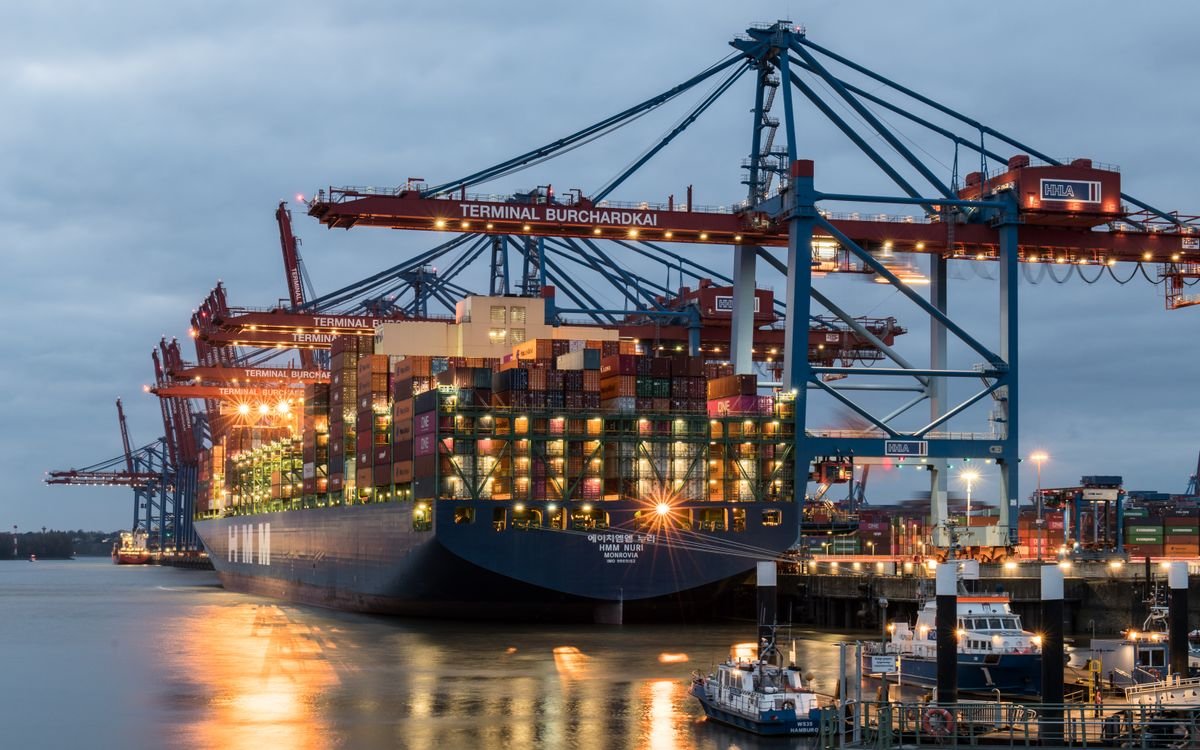
FCL stands for full container load. When you ship FCL, you book an entire container for your cargo alone, and nobody else's goods travel in it. The container is usually packed and sealed once, travels to the port, crosses the sea and is opened at its destination. FCL is the standard way to move large volumes by sea, and it is also the option many importers choose for fragile or valuable goods. This guide explains what FCL shipping is, how an FCL shipment works step by step, what the container sizes hold, what you pay for and when FCL is the right choice.
To compare it with the alternative, see FCL vs LCL shipping. For an overview of the whole sea process, see sea freight from China to India.
What FCL Means
In FCL shipping, the container is booked in your name or your supplier's name, and the cargo inside belongs to one shipper (or, in a consolidation arranged by the buyer, to one buyer). You pay for the container as a unit, not for the space you use inside it. That makes the cost per unit fall as you fill the container, and makes a half-empty container expensive per unit.
How an FCL Shipment Works
- Booking. Your forwarder books a container size and type on a sailing and tells you the cut-off dates.
- Empty container pickup. An empty container is collected from a depot and taken to the supplier's premises or a packing point.
- Packing (stuffing). The cargo is loaded, braced and sealed. The condition of the container and the quality of packing matter a great deal.
- Weight verification. The shipper has to declare the container's verified gross mass, a duty the IMO sets out in its SOLAS guidance: the figure goes in the shipping document and reaches the master and the terminal before loading.
- Export clearance and gate-in. The container is cleared for export and delivered to the port before the cut-off.
- Loading and sailing. The container is loaded on the vessel, which sails on its schedule.
- Discharge and clearance. After discharge in the destination country, the importer clears the container through customs.
- Delivery and return. The container is delivered to the consignee, unpacked and the empty container is returned to the depot within the free time.
Container Sizes and What They Hold
The most common FCL containers are the 20-foot and 40-foot dry containers and the 40-foot high cube. The reference figures below come from ONE's container specification page, which says they are for reference only and that individual containers may differ, so confirm the figures with your forwarder or carrier for the container you will actually receive.
| Container | Load capacity | Payload | Door opening |
|---|---|---|---|
| 20-foot dry | 33.1 m3 | 28,330 kg | 2,340 mm wide, 2,280 mm high |
| 40-foot dry | 67.6 m3 | 26,840 kg | 2,340 mm wide, 2,280 mm high |
| 40-foot high cube | 76.2 m3 | 28,800 kg | 2,340 mm wide, 2,585 mm high |
Our guides to choosing the right container and to 20-foot vs 40-foot containers go further.

Will My Cargo Fit?
Cargo can run out of space or out of weight allowance first. Here is a quick check against the 20-foot figures above, using made-up cargo.
| Cargo | Volume | Weight | Fits a 20-foot container? |
|---|---|---|---|
| Light, bulky goods | 30 m3 | 9,000 kg | Yes, with little space to spare |
| Dense goods | 20 m3 | 30,000 kg | No, it exceeds the 28,330 kg payload |
| Large light load | 40 m3 | 8,000 kg | No, it exceeds 33.1 m3 and needs a 40-foot |
Always measure the packed cargo, not just the product, because cartons, pallets and gaps take space.
What You Pay for in FCL
An FCL quote is usually a stack of lines:
- Ocean freight for the container.
- Carrier surcharges, which vary by carrier and over time.
- Origin charges: container pickup, terminal handling, documentation, weighing and export clearance.
- Destination charges: terminal handling, documentation and customs clearance fees.
- Inland haulage from the port or depot to your premises.
- Time-based charges if the container stays too long.
Our guide to how sea freight pricing works explains the lines in more detail.
Free Time, Detention and Demurrage
Carriers and terminals allow a number of free days for containers at the port and for the container to be used outside it. After that, charges apply. Because rules and rates vary, ask what free time your booking includes and plan unpacking and return accordingly. See our explainer on demurrage and detention.
Multi-Supplier FCL
You do not need a single supplier to fill a container. A buyer can arrange for goods from several suppliers to be collected, combined and packed into one container, which is then shipped as FCL. This gives you the handling advantages of a sealed container and the flexibility of buying from several sources. It needs coordination: every supplier must have goods ready by the same date, and one late supplier can hold up the whole container.
Packing and Securing
Cargo inside a container is subject to movement, vibration and humidity. For loading, bracing and securing, the voluntary CTU Code published by the IMO, ILO and UNECE is a good reference. If any packaging is made of raw wood, the international standard ISPM 15 requires treatment and marking.
Who Packs the Container, and Where
An FCL container is usually packed at the supplier's factory or warehouse, or at a depot near the port. Packing at the factory means the cargo is loaded once, by people who know it, but it needs the empty container delivered there and the full one collected. Packing at a depot suits smaller suppliers or goods collected from several places. Either way, agree who checks that the container is clean, dry and undamaged before loading, who photographs the loading and who records the seal number. Those photographs and the seal number are your evidence if the container arrives damaged or opened.
Common FCL Problems
- The cargo is not ready when the empty container arrives, so waiting charges or a missed cut-off follow.
- The container is overloaded or loaded unevenly, which causes a rejected weight declaration or an unsafe load.
- The verified weight arrives after the cut-off.
- The documents describe the cargo differently from the packing list or the real contents.
- The empty container is not returned inside the free time, so detention charges start.
- Nobody checks the seal and container number on the paperwork against the container itself.
FCL for Different Types of Cargo
Boxed general goods are the standard FCL cargo. Fragile or high-value goods suit FCL because they are packed once and sealed. Heavy cargo needs a payload check, since weight, not volume, may be your limit. Goods that need a controlled temperature need a refrigerated container, and cargo that is too tall or wide may need an open top or flat rack. Our guide to container types lists the options.
Advantages of FCL
- Lower cost per unit when the container is well filled.
- Less handling, because the container is packed once and sealed.
- More control over timing, since the container leaves when you are ready.
- Better suited to fragile, valuable or contamination-sensitive cargo.
Limits of FCL
- You pay for the whole container even if it is only partly full.
- Small shipments can be uneconomical.
- You must manage packing, weight and the container's return within free time.
Paperwork for FCL
A typical FCL shipment needs a commercial invoice, a packing list and a bill of lading. For imports into India, the Foreign Trade Policy 2023 lists the bill of lading or airway bill, the commercial invoice cum packing list and the bill of entry as mandatory documents, and says regulators can require more for particular goods. Make sure the documents agree with each other and with what is in the container.
Ship FCL With RR Brothers and Logistics
RR Brothers and Logistics can book FCL from Chinese gateways including Guangzhou/Nansha, Shenzhen/Yantian, Shanghai and Ningbo to Indian ports. See our sea freight service, or send us your cargo details with volume and weight for a quote.
Frequently Asked Questions
FCL stands for full container load. You book a whole container for your cargo alone and pay for the container as a unit, whether or not it is full.
ONE lists reference figures of 5,898 mm by 2,350 mm by 2,390 mm inside, with 33.1 cubic metres of load capacity and a payload of 28,330 kg. Individual containers may differ, so confirm the figures with your carrier.
When your cargo fills a large share of a container, because the cost per unit falls as you fill it. Compare real quotes for both options at your volume.
Under SOLAS guidance from the IMO, the shipper must state the verified gross mass of the packed container in the shipping document and submit it in advance to the master and the terminal. Ask your forwarder who supplies it.
They are time-based charges that apply when a container stays at the port or outside it for longer than the free time allowed. Plan unpacking and return within the free time.
Yes. A buyer can have goods from several suppliers collected and packed into one container. It needs careful coordination, because one late supplier can delay the whole container.
Sources
- ONE: Dry container specifications (20 ft, 40 ft and 40 ft high cube)
- IMO: Verification of the gross mass of a packed container (SOLAS)
- IMO: IMO/ILO/UNECE Code of Practice for Packing of Cargo Transport Units (CTU Code)
- IPPC/FAO: ISPM 15, Regulation of wood packaging material in international trade (2018)
- DGFT: Foreign Trade Policy 2023, Chapter 2 (para 2.06, mandatory documents)
This article is general information, not legal, tax or customs advice. Rules, rates and procedures change; confirm current requirements with the relevant authority or a licensed customs professional before you ship. Regulatory references were checked against the official sources listed above on 25 October 2026.
Image credits: header photo by Aron Yigin on Unsplash; photo by CHUTTERSNAP on Unsplash. Used under the Unsplash License.
Request a Quote