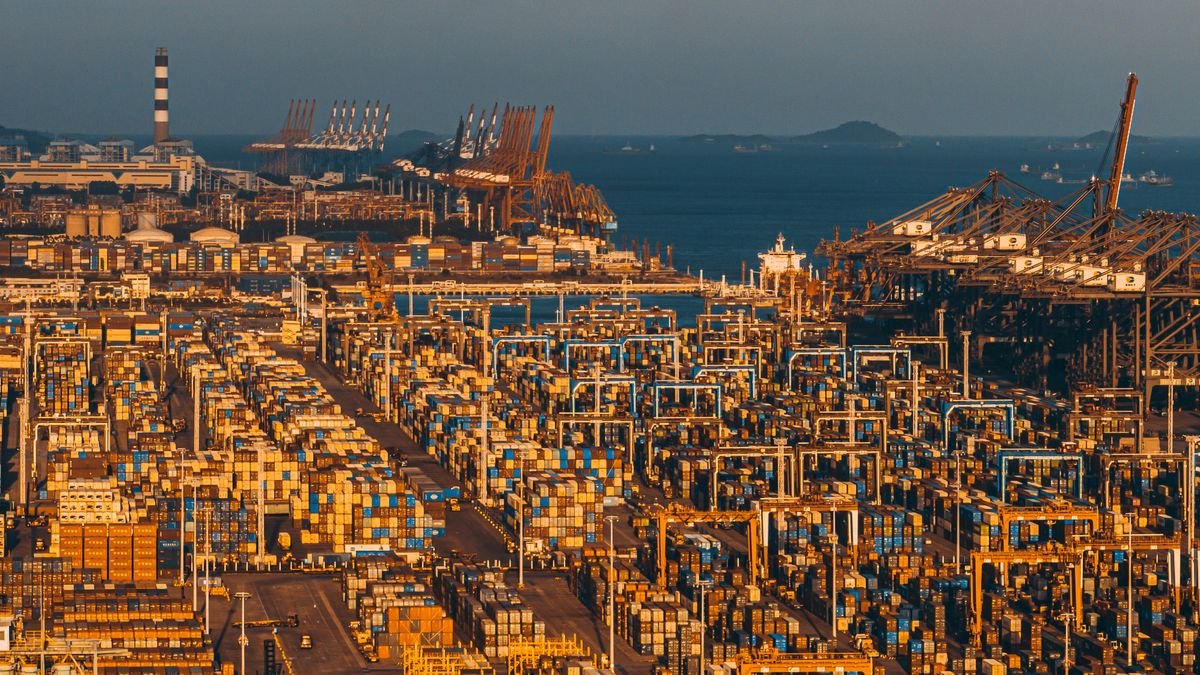
Sea freight carries most cargo that is not urgent, very high in value or tiny, and it is usually the lowest-cost way to move goods between China and India. It is also the mode with the most moving parts: booking, origin handling, a sea leg that may include a transshipment, discharge in India, customs clearance and inland delivery. This guide explains how sea freight from China to India works, what makes up the cost and which factors decide your real transit time.
For the full overview of every mode, see our complete guide to China to India shipping. For the ten hands-on steps, see how to ship goods from China to India step by step.
How Sea Freight from China to India Works
Sea freight is sold in two ways. With a full container load (FCL) you pay for a container to yourself. With less than container load (LCL) your cartons share a container with other shippers' goods. Our guide to LCL vs FCL for China shipments explains how to choose. RR Brothers and Logistics, as an NVOCC, connects the Chinese gateways of Guangzhou/Nansha, Shenzhen/Yantian, Shanghai and Ningbo with Indian ports including Mumbai/Nhava Sheva and Chennai; see our sea freight service for details.
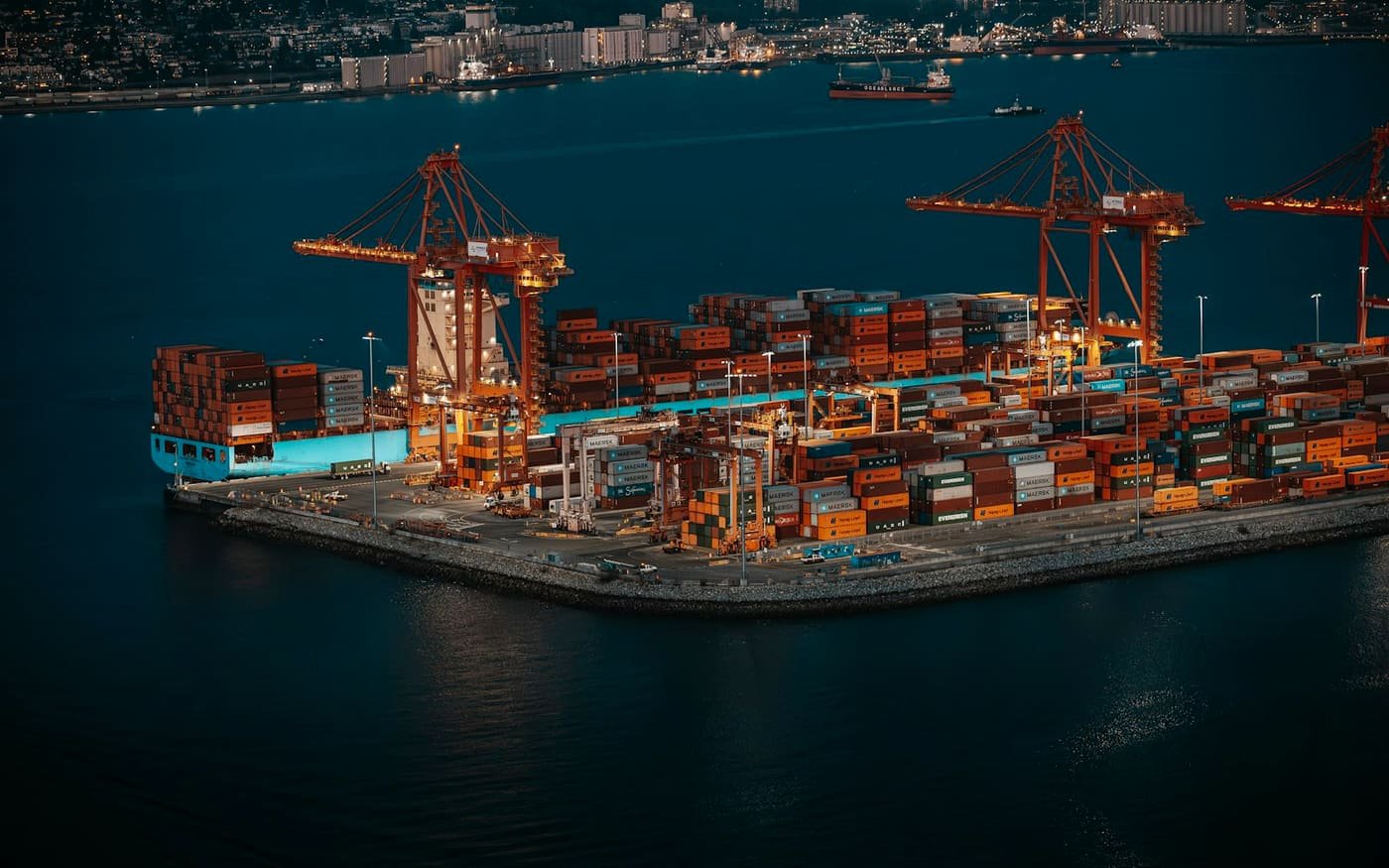
A sea shipment passes through six stages. Each one adds time, and most of them add a charge.
| Stage | What happens | Why it matters |
|---|---|---|
| 1. Booking | Space is booked and cut-off dates are set | A missed cut-off usually means waiting for the next sailing |
| 2. Origin handling | The container is packed or the cargo goes to a freight station, its weight is verified and export clearance is done | Origin charges and the verified weight must be ready on time |
| 3. Sea leg | The vessel sails direct or through a transshipment port | Routing decides how many handling points and waits you have |
| 4. Discharge | The container is unloaded and handled at the Indian port | Port charges and storage time start to run |
| 5. Import clearance | Bill of Entry, duty payment and any examination | Clearance has to finish inside the legal window |
| 6. Inland delivery | Truck or rail from the port to your warehouse | Haulage cost and one more leg of transit |
Two of these stages are governed by rules, not preference. Weight verification at origin is mandatory: under SOLAS guidance from the IMO, in force from 1 July 2016, the shipper declares a verified gross mass for each packed container in the shipping document and passes it to the master and the terminal before loading. In India, the filing window for the bill of entry comes from Section 46 of the Customs Act, 1962: it can be presented up to thirty days before the expected arrival and is due by the end of the day before the vessel arrives, unless the Board prescribes another limit. On a self-assessed entry, the duty falls due when the bill of entry is presented (Section 47).
What Makes Up the Cost of Sea Freight
There is no single price for sea freight. A quote is a stack of lines, and two quotes are only comparable when they include the same lines. These are the usual building blocks:
- Ocean freight: the base rate for the container, or per cubic metre or tonne for LCL.
- Surcharges: carrier add-ons such as fuel, currency, peak-season or congestion charges. They differ by carrier and change over time.
- Origin local charges: pickup, terminal handling, documentation, container weighing and export clearance in China.
- Destination local charges: terminal handling and documentation in India, freight-station charges for LCL, and customs clearance or broker fees.
- Duty and taxes: calculated on a value that includes freight and insurance, as explained below.
- Inland haulage: the truck or rail leg from the port or depot to your premises.
- Insurance: optional on paper but sensible for any cargo you cannot afford to lose.
- Time-based charges: storage, demurrage and detention if containers stay too long. See our explainer on demurrage and detention.
Your Incoterm decides which of these sit in the supplier's price and which land on your invoice. Under the ICC's Incoterms 2020, FOB has the seller deliver the goods on board the vessel, so main freight is yours, while CIF has the seller pay main freight and insurance. A CIF quote that looks cheaper than an FOB quote may simply have moved the cost elsewhere, so compare like with like. Our guide to Incoterms for China sourcing compares the common terms.
Freight also changes your duty bill. Section 14 of the Customs Act says the transaction value of imported goods includes, to the extent and in the manner set by the rules, the costs of transportation to the place of importation and insurance. So a higher freight cost can raise the assessable value, and the duty and IGST calculated on it. Our guide to calculating shipping costs from China shows how to build the full landed-cost figure, and our explainer on how freight forwarding rates are calculated breaks down the rate lines.
Transit Considerations: Sailing Time Is Only Part of the Answer
Quotes often show a port-to-port sailing time, but your delivery date depends on the whole chain. We do not publish a fixed number of days here because schedules differ by carrier, port pair and season, and the carrier's current schedule is the only reliable figure. What we can do is show what stretches or shortens each part:
- Routing: a direct service has fewer handling points than one with a transshipment. Ask which routing your booking uses.
- Cut-offs and lead time: cargo has to be ready before the document and port cut-offs. Our guide to booking cut-off times explains them.
- Origin readiness: packing, inspection, the verified weight and the export declaration all have to be finished before loading. Under China's Decree No. 103, the export declaration is lodged a full day or more ahead of loading, once the cargo is inside the customs control area. The decree dates from 2003, so confirm current practice with your forwarder.
- Congestion and weather: delays at either port, or on the water, can move a sailing. Your forwarder should tell you when a vessel's schedule changes.
- Clearance readiness: a bill of entry can be filed early, but goods that are not cleared, warehoused or transhipped within thirty days of unloading, or any further time the officer allows, may be sold after notice to the importer (Section 48).
- The inland leg: delivery to a port city is quicker than delivery to an inland depot or a distant warehouse.
Ask your forwarder for the carrier's schedule and a written door-to-door estimate that states its assumptions. Our port-by-port guide to shipping from China to India adds notes on individual Indian gateways, and our comparison of air freight vs sea freight from China shows when the time saved by air is worth the cost.
How to Read a Sea Freight Quote
A useful quote tells you what is included, what is not, and until when the price holds. When one arrives, check these points before you compare totals:
- Scope: does it run from the supplier's door, the Chinese port or the Indian port, and to which delivery address?
- Container or cargo basis: the container size and type, or the cubic metres and weight used for LCL.
- Surcharges: whether they are included in the headline rate or added later.
- Validity: the dates the rate applies to, because ocean rates can change from one sailing to the next.
- Free time: how many days of storage and container use are included before time-based charges start.
- Exclusions: duty, taxes, inspection fees and any charge for an examination are normally outside a freight quote.
Writing these answers next to each quote turns a list of totals into a fair comparison. If two quotes differ widely, check scope first: the gap is often in what is included, not in the ocean rate itself.
Practical Tips Before You Book
- Agree the Incoterm and the HS code before you ask for quotes.
- Request quotes that itemise origin, ocean freight, surcharges and destination charges.
- Ask who will provide the verified gross mass and by which date.
- If any packaging is raw wood, ask for ISPM 15 treatment marks.
- Make sure the invoice, packing list and transport document agree with each other.
- Confirm how many days of free storage and container use are included.
- Insure the cargo and keep the policy details with your shipping file.
Plan Your Sea Freight with RR Brothers
RR Brothers and Logistics can quote FCL and LCL sea freight from China and support customs clearance and delivery in India. Share your cargo details and we will come back with options and a clear breakdown of what each one includes.
Frequently Asked Questions
Your forwarder books space, the cargo is packed and its weight verified, Chinese customs clears the export, the vessel sails, the container is discharged in India, you clear it through customs, and it is delivered inland.
Ocean freight, carrier surcharges, origin and destination local charges, duty and taxes, inland haulage, insurance and any storage or demurrage. Your Incoterm decides which of these appear on your invoice.
Yes. Under Section 14 of the Customs Act the transaction value includes, as the rules specify, the cost of transport to the place of importation and insurance, so freight can raise the value on which duty is calculated.
It varies by carrier, routing, port pair and season, and door-to-door time also includes cargo-ready time, export clearance, port handling, customs and delivery. Ask your forwarder for the carrier schedule and a written estimate.
FCL suits larger or regular volumes and gives you a container to yourself. LCL suits smaller orders but adds consolidation and handling at both ends. If your volume is close to the break-even point, ask for both quotes.
Section 48 of the Customs Act says goods not cleared, warehoused or transhipped within thirty days of unloading, or any further time the officer allows, may be sold after notice to the importer.
Sources
- CBIC: Customs Act, 1962 (Sections 14, 46, 47 and 48)
- IMO: Verification of the gross mass of a packed container (SOLAS)
- General Administration of Customs of China: Decree No. 103 (declaration provisions)
- ICC: Incoterms 2020 rules
This article is general information, not legal, tax or customs advice. Rules, rates and procedures change; confirm current requirements with the relevant authority or a licensed customs professional before you ship. Regulatory references were checked against the official sources listed above on 25 October 2026.
Image credits: header photo by Daniel Miksha on Unsplash; photo by Albert Stoynov on Unsplash. Used under the Unsplash License.
Request a Quote