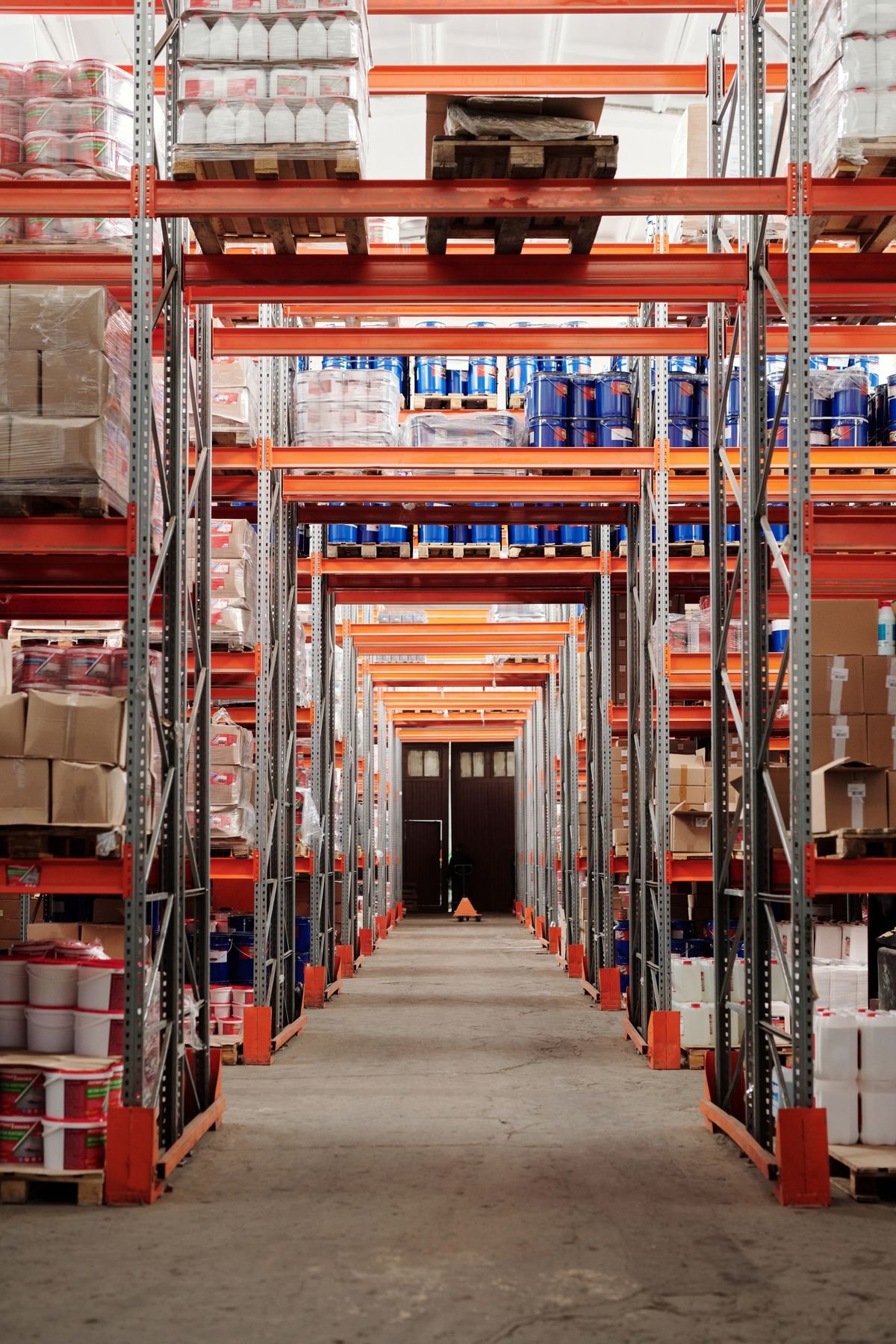
Overseas inventory replenishment is the routine of keeping goods flowing from suppliers abroad to the place where you sell them, so that you neither run out nor pile up stock. It is harder than domestic replenishment for three reasons: the lead time is long, a large part of your stock is on the water or in the air and not on your shelves, and customs and payment rules add steps and cash needs that domestic purchases do not have. This guide explains where to hold stock, how to count what you really have, when to reorder, how to size orders, how customs warehousing can affect duty timing and what a replenishment cycle looks like, with a worked example using made-up numbers.
For the planning basics, see how retailers can improve inventory planning through better logistics.
Where to Hold Stock
| Option | How it works | Suits | Watch out |
|---|---|---|---|
| In India only | Receive full orders into your own or a partner's warehouse | Steady demand and enough cash | Long reaction time to demand changes |
| An overseas buffer | Hold part of the stock at the supplier's site or a third-party warehouse near the supplier, and ship in smaller lots | Fast sellers and variable demand | Storage and insurance costs, and counting stock you cannot see |
| Both | Base stock in India and a buffer overseas | Wider ranges | More coordination |
Our guide to warehousing in Guangzhou for international buyers covers the overseas side. If you keep stock abroad, record who owns it, how it is insured and how it is counted.
Count Your Inventory Position, Not Just Stock on Hand
The stock on the shelf is not the number that should trigger an order. Use the inventory position: stock on hand plus stock on order or in transit. If you reorder when on-hand stock falls below the reorder point, you will order again while a shipment is already on its way. The reorder point itself equals expected demand during the lead time plus safety stock, as our guide on inventory planning explains. For overseas supply, set the reorder point on the position and use recorded lead times from order to receipt.
Reorder Triggers
Choose a trigger and write it down:
- A reorder point: order when the inventory position falls to the point.
- A fixed cycle: review every set period and order up to a target level.
- A calendar trigger: raise orders ahead of a known peak or closure, such as the Chinese New Year.
A fixed cycle suits goods bought in regular lots, and a reorder point suits goods with variable demand. Our guide to the Chinese New Year shutdown explains why calendar triggers matter on this lane.
Size the Order
Order size depends on the supplier's minimum order quantity, the space in the container or the aircraft, the cash you have and the cost of holding stock. Check each against the others:
- Container or freight fit. Ask your forwarder for a loading plan, because space left empty in a container you have booked is space you have paid for.
- Cash timing. The Reserve Bank's Master Direction on Import of Goods and Services expects remittances against normal imports to be completed within six months from the date of shipment and sets conditions on advances. Under Section 47(2) of the Customs Act, 1962, duty on a self-assessed bill of entry is payable when it is presented.
- Shelf life of demand. Do not buy a year of a product whose demand may change in three months.
Customs Warehousing and Duty Timing
The Customs Act allows an importer to enter goods for warehousing as well as for home consumption. Section 46(1) provides for a bill of entry for home consumption or warehousing, and the GST Council's flyer on imports notes that the Act provides for removal of goods from a customs station to a warehouse without payment of duty. Under Section 15(1)(b), when goods are cleared from a warehouse the rate of duty is the one in force on the date a bill of entry for home consumption is presented. Section 46(5) allows the officer to permit one kind of entry to be substituted for the other where the interests of revenue are not prejudiced and there was no fraudulent intention.
For a replenishment plan, warehousing can defer duty cash until goods are cleared for sale, but it brings conditions, time limits and costs that vary, so ask your broker whether it fits your goods. The flyer also notes that a sale of warehoused goods before clearance is a supply taxable under the IGST Act, so take tax advice before selling goods in a warehouse.
Move Goods Overseas Smoothly
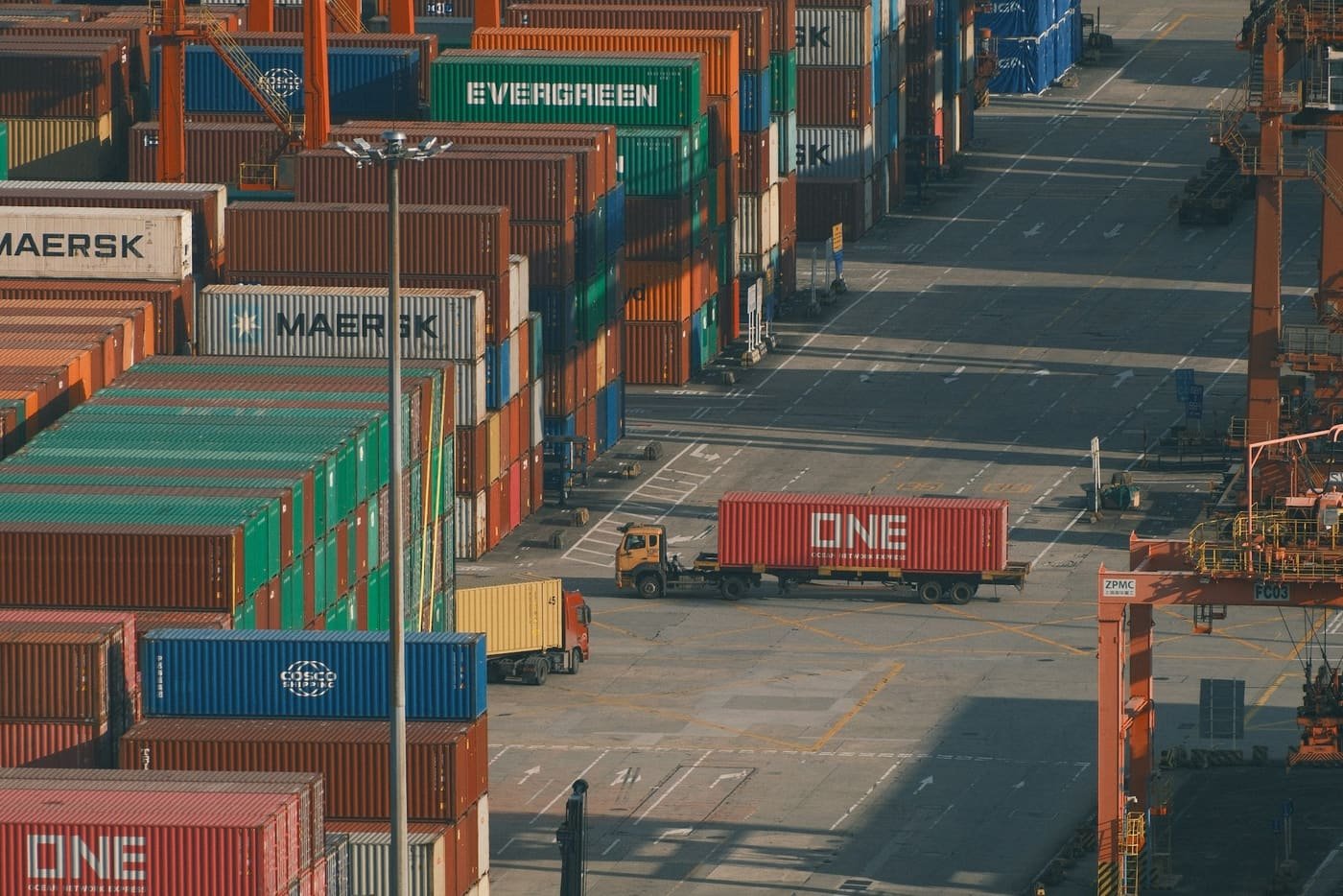
If goods leave an overseas warehouse for India, someone must clear them for export. China's Decree No. 103 says the consignor may declare to customs itself or entrust an agent declaration enterprise, and that the declaration is made after the goods arrive at the customs control area and 24 hours before loading. The decree dates from 2003, so confirm current practice. Agree who files, and have the documents match what the warehouse released.
A Replenishment Cycle
| Step | Action | Output |
|---|---|---|
| 1 | Review inventory positions and recorded lead times | A list of products at or near their reorder points |
| 2 | Decide quantities, container fit and mode | A draft order and shipment plan |
| 3 | Confirm with the supplier and agree the documents | A confirmed purchase order |
| 4 | Arrange inspection and payment | An approved inspection and a payment plan |
| 5 | Book pickup, export clearance and carriage | A booking with cut-offs |
| 6 | Prepare the customs filing and the duty funds | A matched document set and a cash plan |
| 7 | Receive, count against the packing list and update stock | Updated inventory positions and a recorded lead time |
A Worked Example With Made-Up Numbers
A product sells 20 units a day. The recorded lead time from order to receipt averages 26 days, with a safety margin of five days, so the reorder point is 20 x 26 + 20 x 5 = 620 units. Today there are 300 units on the shelf, 400 in transit and none on order.
| Item | Units |
|---|---|
| On hand | 300 |
| In transit | 400 |
| On order | 0 |
| Inventory position | 700 |
| Reorder point | 620 |
The position of 700 is above the reorder point, so no new order is placed, although on-hand stock alone (300) would have triggered one. Ordering on on-hand stock would have created an unwanted second batch and tied up cash and duty.
Keep the Paperwork Matched on Every Replenishment
Replenishment shipments repeat, and so do their errors. For each order, confirm the quantities on the purchase order, the supplier's invoice, the packing list and the transport document before the goods ship, and again before the bill of entry is filed. Keep the documents in one shipment file, and record the actual dates of each step. Our guide to avoiding documentation errors shows how to match them. A routine that is boring on the fifth shipment is a routine that works.
Common Mistakes
- Reordering on stock on hand and ignoring what is already on the way.
- Planning from quoted transit times instead of recorded lead times.
- Letting the supplier's minimum order quantity set the order size without checking cash and demand.
- Holding stock overseas without insurance, ownership records or counts.
- Forgetting that duty is due when the bill of entry is presented.
- Not agreeing who files the export declaration for goods leaving an overseas warehouse.
A Replenishment Checklist
- Each product has a reorder rule and a recorded lead time.
- The inventory position includes stock on order and in transit.
- Order sizes are checked against minimum quantities, container fit and cash.
- Overseas stock has an owner, insurance and counts.
- Documents and duty funds are ready before the goods arrive.
- Each received shipment updates the lead-time record.
Replenish With RR Brothers and Logistics
RR Brothers and Logistics supports replenishment from China with sea freight, air freight, warehousing and customs clearance. Tell us how your stock flows today and we will help you plan the cycle and the documents.
Frequently Asked Questions
The routine of keeping goods flowing from overseas suppliers to the place you sell them, so that you neither run out nor over-stock, while managing long lead times, customs steps and payment timing.
Stock on hand plus stock on order and in transit. Use it, not on-hand stock alone, to decide when to reorder, so that you do not order again while a shipment is on its way.
An overseas buffer can shorten your reaction time for fast sellers, but it adds storage, insurance and counting costs and needs clear ownership records. Compare it with holding all stock in India.
The Customs Act provides for entry for warehousing, and the GST Council flyer notes removal to a warehouse without payment of duty. Conditions and costs apply, so ask your broker.
For a self-assessed bill of entry, when it is presented under Section 47(2) of the Customs Act.
Check the supplier's minimum order quantity, the container or flight fit, the cash you have and how long demand is likely to last, and choose the quantity that works against all four.
Sources
- Reserve Bank of India: Master Direction, Import of Goods and Services (updated 12 January 2026)
- CBIC: Customs Act, 1962 (Sections 15, 46 and 47)
- GST Council: Imports in the GST regime (flyer)
- General Administration of Customs of China: Decree No. 103 (declaration provisions)
This article is general information, not legal, tax or customs advice. Rules, rates and procedures change; confirm current requirements with the relevant authority or a licensed customs professional before you ship. Regulatory references were checked against the official sources listed above on 26 October 2026.
Image credits: header photo by Bernd Dittrich on Unsplash; photo by 雙 film on Unsplash. Used under the Unsplash License.
Request a Quote