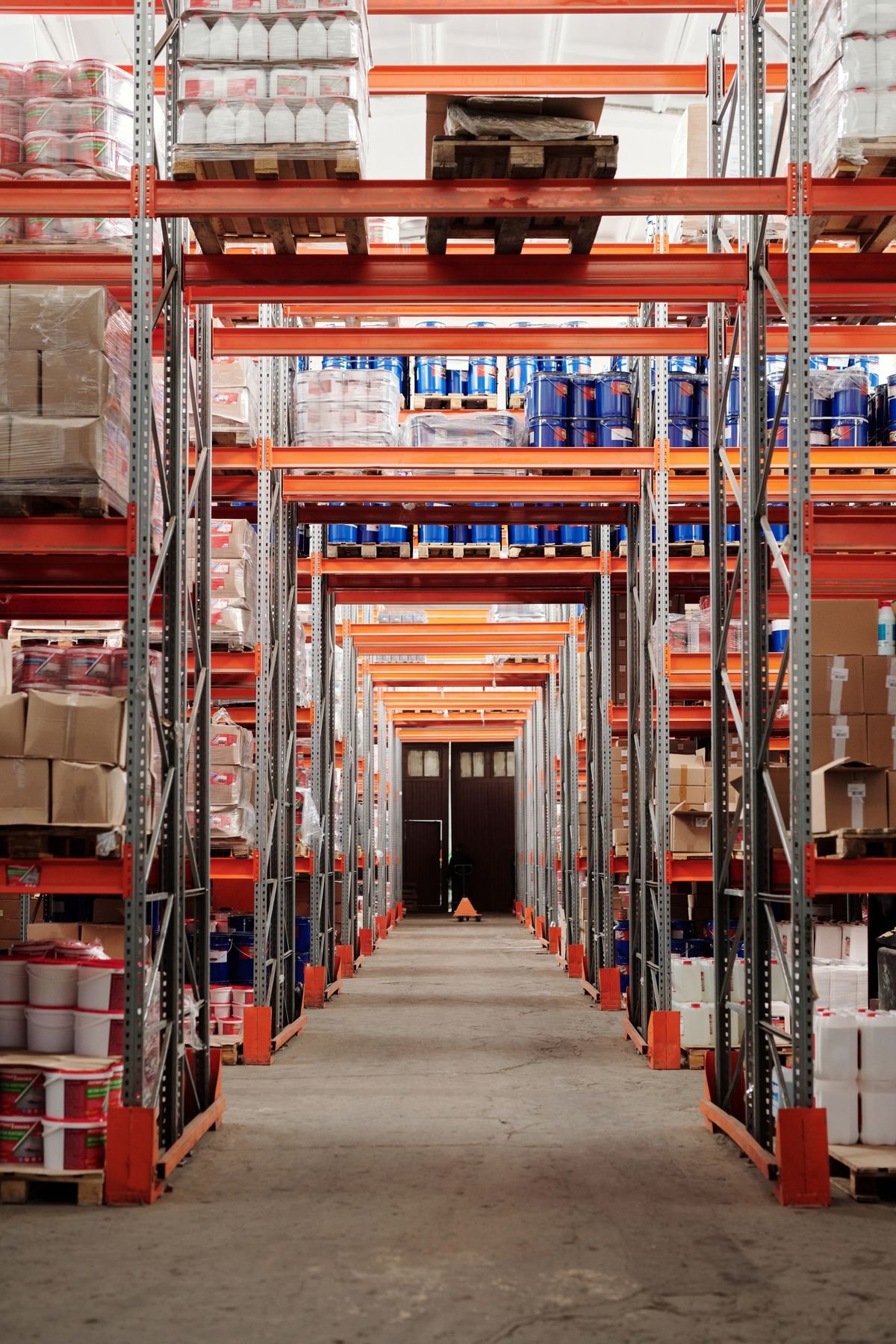
To prepare your cargo for international sea freight, you have to think like the people who will handle it: a trucker, a freight station or packer, a crane operator, a customs officer and a receiver on the other side. Your cargo will be lifted, stacked, moved and checked many times before it reaches its destination, and every weakness in the packing, marking or paperwork will show up at one of those points. This guide covers what to do and when: packing, wood packaging rules, marking, documents, weighing, loading and a checklist for the days before your cargo ships.
For the full journey, see how to ship goods from China to India step by step. For packing standards in more detail, see packaging and palletizing standards for export cargo.
A Preparation Timeline
This sequence is a suggestion, not a rule. Adjust it to your supplier's schedule and your carrier's cut-offs.
| When | What to do |
|---|---|
| Before you place the order | Agree packing, marking and wood packaging requirements with the supplier, and the Incoterm |
| While the goods are made | Confirm the cargo-ready date and arrange inspection if needed |
| When the goods are finished | Check packing, marks and quantities against the order |
| Before loading | Weigh the cargo, prepare the documents and confirm the cut-offs |
| At loading | Load and secure the cargo, seal the container, record the weight |
| After loading | Check the transport document draft and keep your records |
Packing the Cargo
Pack for the whole journey, not just the first leg. Use cartons and pallets strong enough to be stacked, fill empty space so that contents cannot shift, and protect corners and edges. Shrink-wrap pallets so that cartons stay together, and keep the load within the pallet's edges so that it is not crushed when stacked. Protect goods against moisture where it matters, and use extra protection for fragile or high-value items. Our quality control inspection guide explains how to check the result before the goods leave the factory.
Wood Packaging: Treatment and Marks
If any packaging is made from raw wood, such as pallets, crates, boxes or dunnage, the international standard ISPM 15 applies. It covers wood packaging material made from raw wood, including crates, boxes, packing cases, dunnage, pallets, cable drums and spools, and requires approved treatment and a mark. The mark has four components: a symbol, a country code, a producer or treatment provider code and a treatment code (HT, DH, MB or SF). It must be legible, durable and not transferable, and placed where it is visible when the packaging is in use, preferably on at least two opposite sides. It must not be hand drawn, and the standard advises avoiding red or orange.
The most common treatment is heat. The standard requires a minimum temperature of 56 °C for a minimum of 30 continuous minutes throughout the entire profile of the wood, including its core. Ask your supplier to confirm that every wooden item is treated and marked, or use pallets and packing made from other materials.
Marking and Labelling
Mark every carton or piece so that it can be matched to the order at each handling point: the consignee, the order or purchase order number, the carton number out of the total, the gross weight and any handling marks. Barcode labels help warehouses and freight stations. Make sure the marks on the cargo agree with those on the packing list and the transport document, and that old labels from earlier use are removed.

Documents to Have Ready
You will usually need a commercial invoice, a packing list and a transport document, and some goods need licences, certificates or test reports. For imports into India, the Foreign Trade Policy 2023 lists the bill of lading or airway bill, a commercial invoice cum packing list (separate documents are also accepted) and the bill of entry as mandatory, and says regulators may require more for particular goods. The same policy says imports are free unless prohibited, restricted or reserved for state trading, and that domestic technical specifications and safety norms apply to imports too, so check your product's category before it ships. Make sure the descriptions, quantities and values on every document agree.
Weighing and the Verified Gross Mass
For containers, weighing is a legal step. Under SOLAS guidance from the IMO, in force from 1 July 2016, the shipper is responsible for stating the verified gross mass in the shipping document and submitting it in advance to the master and the terminal. The IMO describes two methods: weighing the packed container, or weighing all packages and cargo items, with pallets, dunnage and securing material included, and adding the container's empty weight, using a certified method approved by the competent authority of the packing state. Agree with your forwarder who will supply the figure and by when, because it has to be ready before the cut-off.
Loading and Securing
Whoever packs the container should have a loading plan. The CTU Code, a non-mandatory code of practice from the IMO, ILO and UNECE on handling and packing cargo transport units for sea and land transport, is the standard reference for loading, securing and unpacking. Ask your packer to follow it, to keep the weight distributed sensibly and to brace the cargo so that it cannot move. Take photographs during loading and at the closed doors, and record the seal number.
Export Declaration and Cut-Offs
Check who files the export declaration and when. Under China's Decree No. 103, export consignors or their agents declare after the goods arrive at the customs control area but 24 hours before loading. The decree dates from 2003, so confirm current practice with your forwarder. Ask for the document cut-off, the cargo cut-off at the port or freight station and the cut-off for the verified weight, and work back from the earliest. Our guide to booking cut-off times explains why a missed cut-off usually means waiting for the next sailing.
Dangerous and Restricted Goods
If your goods contain batteries, chemicals, aerosols or other items that may be regulated for transport, tell your forwarder before booking. They need the right declarations, packaging and documents, and some carriers will not accept certain goods at all. Check import restrictions too, because the rules at the destination apply even if the goods are acceptable for transport.
Insurance and Records
Insure the cargo for its full value, and check what the policy covers and what it excludes. Keep a file for each shipment with the order, invoices, packing list, photographs, weight record, transport documents and correspondence. If something goes wrong, those records decide whether a claim succeeds.
A Pre-Shipment Checklist
- Packing is strong, cargo cannot shift and fragile goods are protected.
- Wood packaging is treated and marked, or replaced.
- Marks agree with the packing list and the transport document.
- Invoice, packing list and any licences are complete and consistent.
- The verified weight is arranged and will reach the carrier before the cut-off.
- The export declaration and all cut-offs are confirmed.
- Dangerous or restricted goods are declared.
- Loading is photographed and the seal number is recorded.
- Insurance is in place.
Mistakes to Avoid
- Judging packing by how the cargo looks, not by how it will be handled.
- Assuming a pallet is fine because it looks sturdy, with no check for treatment marks.
- Marks that do not match the paperwork.
- Leaving the weight until the day of loading.
- Learning the cut-offs after the cargo is ready.
- Not photographing the loading.
Prepare With RR Brothers and Logistics
RR Brothers and Logistics can advise on packing, documents and cut-offs and book sea freight from Chinese gateways, with customs clearance support at the destination. Send us your cargo details and the date your goods will be ready.
Frequently Asked Questions
Pack for the whole journey, treat and mark any wood packaging, mark each carton to match the paperwork, prepare consistent documents, arrange the verified weight, load and secure properly, and confirm the export declaration and cut-offs.
If it is made from raw wood, ISPM 15 requires approved treatment and a mark with a symbol, country code, producer code and treatment code. Heat treatment needs at least 56 °C for 30 continuous minutes through the wood.
The verified weight of a packed container. Under SOLAS guidance from the IMO, the shipper must state it in the shipping document and submit it in advance to the master and the terminal, obtained by weighing the container or by weighing the contents and adding the container tare.
The Foreign Trade Policy lists the bill of lading, the commercial invoice cum packing list and the bill of entry as mandatory, and regulators can require more for particular goods. Make sure they agree with each other.
Under Decree No. 103, after the goods arrive at the customs control area and 24 hours before loading. The decree dates from 2003, so ask your forwarder to confirm current practice.
The cargo as packed, the loading in progress, the closed doors and the seal number. These records help with any later claim or query.
Sources
- IPPC/FAO: ISPM 15, Regulation of wood packaging material in international trade (2018)
- DGFT: Foreign Trade Policy 2023, Chapter 2 (paras 2.03, 2.06)
- IMO: Verification of the gross mass of a packed container (SOLAS)
- IMO: IMO/ILO/UNECE Code of Practice for Packing of Cargo Transport Units (CTU Code)
- General Administration of Customs of China: Decree No. 103 (declaration provisions)
This article is general information, not legal, tax or customs advice. Rules, rates and procedures change; confirm current requirements with the relevant authority or a licensed customs professional before you ship. Regulatory references were checked against the official sources listed above on 25 October 2026.
Image credits: header photo by GB The Green Brand on Unsplash. Used under the Unsplash License.
Request a Quote