What Makes a Delivery Model "Hyperlocal"
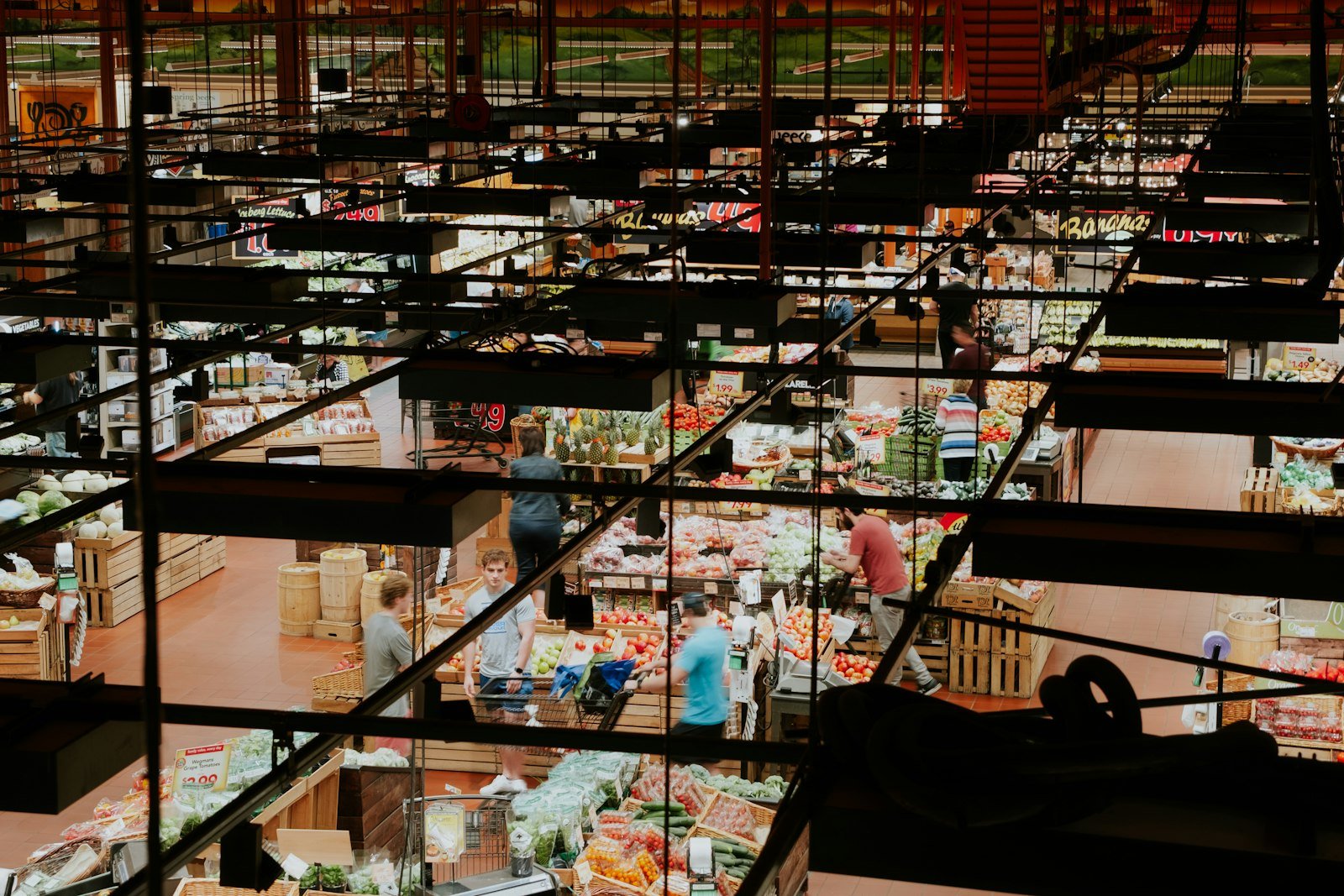
Hyperlocal delivery is a fulfillment model built around existing neighborhood retailers — the grocery store, pharmacy, or convenience shop already sitting on a street corner — acting as the fulfillment point for online orders placed by shoppers within a few kilometers of that exact location. It is distinct from two other models the industry frequently lumps in alongside it. A dark store, which we cover in our guide to dark stores and quick commerce infrastructure, is a facility built or converted purely for online fulfillment with no walk-in retail function at all. A micro-fulfillment center, covered in our article on micro-fulfillment centers and grocery delivery, is typically a small, often automated facility purpose-built or retrofitted specifically for rapid order picking. Hyperlocal delivery requires neither — it uses the inventory a retailer already has on its shelves, serving customers who would otherwise have walked into that same store in person.
That distinction matters because it changes the entire economics of the model. Where dark stores and micro-fulfillment centers require new real estate, new inventory investment, and purpose-built picking infrastructure, hyperlocal delivery layers a digital order channel and a last-mile delivery leg onto a retail footprint that already exists and is already generating revenue from walk-in customers. For an urban transportation logistics ecosystem, that makes hyperlocal delivery the lowest-capital entry point of the three models into fast, localized e-commerce fulfillment, even though it comes with its own distinct operational trade-offs that a retailer needs to plan around before launching.
How the Store-as-Fulfillment-Node Model Actually Works
In a hyperlocal setup, a customer places an order through an app or website, the order is routed to the nearest participating store with the item in stock, and a staff member or a connected gig-economy courier picks the item off the regular retail shelf and hands it off for delivery — often within 30 to 90 minutes given the short physical distance involved. The store continues operating exactly as it would otherwise, serving walk-in customers alongside fulfilling these online orders from the same shelf stock. This is precisely what distinguishes the model within transportation logistics: the last-mile delivery leg is genuinely short, often just a few kilometers, because the inventory was already positioned close to the customer before the order was ever placed — it didn't need to travel from a distant distribution center.
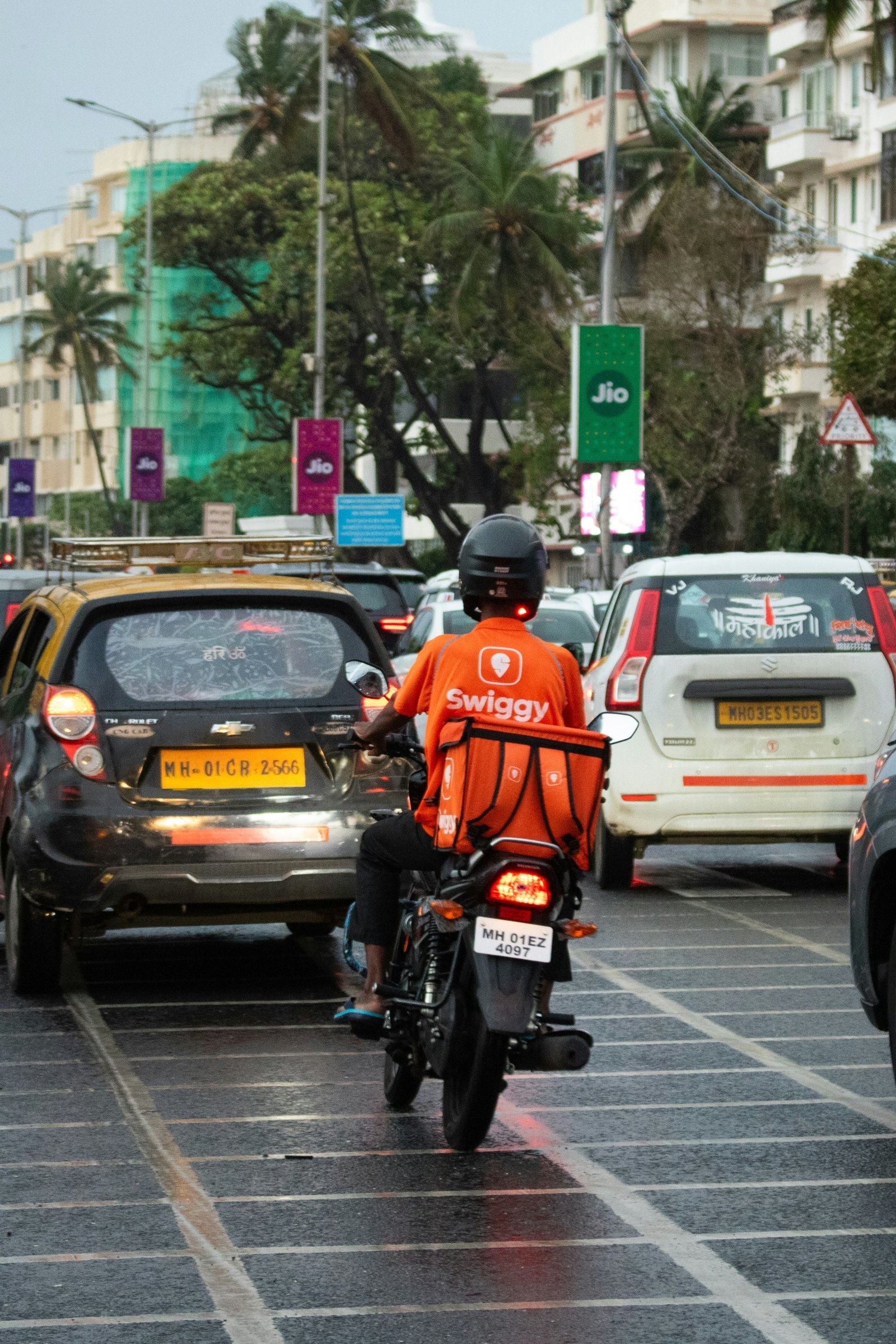
This short-hop structure is also why delivery method varies so much by city and market. In dense urban cores, two-wheelers and bicycle couriers tend to dominate hyperlocal fulfillment because they can navigate traffic and narrow streets faster than a van over such a short distance; in lower-density suburban areas with more car-dependent infrastructure, small delivery vehicles are more common. A transportation logistics operation supporting a hyperlocal network needs delivery partners flexible enough to match whichever mode actually performs best in a given neighborhood, rather than applying one vehicle type uniformly across an entire city.
Why Retailers Are Adopting the Model
For urban and suburban retailers facing competition from quick commerce platforms and large e-commerce players, hyperlocal delivery offers a way to compete on speed without the capital investment a dark store or dedicated fulfillment center requires. A retailer with an existing store network already has inventory distributed across a city; hyperlocal delivery essentially monetizes that existing geographic footprint as a delivery advantage rather than building new fulfillment infrastructure from the ground up. It also lets smaller, independent retailers — who could never justify building a dedicated dark store — participate in the same fast-delivery expectations that quick commerce has set among urban shoppers, often through a shared marketplace platform or delivery aggregator that connects many small stores to a single ordering app.
There is also a defensive dimension to adoption. As quick commerce platforms and dark-store operators have expanded into grocery, pharmacy, and convenience categories in many cities, traditional neighborhood retailers have faced real pressure on foot traffic from shoppers choosing fast app-based delivery over a trip to the store. Hyperlocal delivery gives an existing retailer a way to capture that same demand for speed without ceding the online order entirely to a competing platform that has no relationship with the store at all — the retailer keeps both the walk-in customer and the online order channel under one roof, rather than losing online demand to a rival with a dedicated delivery infrastructure.
The Technology Layer Behind Hyperlocal Fulfillment
Making this work in practice depends on real-time inventory visibility at the individual store level — a persistent challenge, since in-store shelf stock changes constantly from walk-in purchases in a way that a dedicated fulfillment center's inventory does not. A hyperlocal platform needs to know, accurate to the hour if not the minute, whether a specific store actually has an item in stock before accepting an online order against it, or risk the kind of out-of-stock cancellation that erodes customer trust quickly. Order routing logic also needs to account for more than simple proximity — factoring in a store's current order queue, staff availability for picking, and delivery courier availability nearby, rather than always routing to the single nearest location regardless of its ability to actually fulfill the order promptly.
Hyperlocal vs. Dark Store vs. Micro-Fulfillment
| Factor | Hyperlocal Delivery | Dark Store | Micro-Fulfillment Center |
|---|---|---|---|
| Fulfillment source | Existing retail store shelf | Dedicated online-only facility | Small purpose-built or retrofitted site |
| New real estate needed | Usually none | Yes | Often, or major retrofit |
| Walk-in customers served | Yes, simultaneously | No | Usually no |
| Typical adopter | Independent and chain neighborhood retailers | Quick commerce platforms | Grocery chains |
Operational Challenges Retailers Need to Plan For
The biggest operational risk in a hyperlocal model is picking inside an active retail environment. A store employee pulling items for an online order during a busy walk-in period can slow service for in-person shoppers, create congestion in narrow aisles, and in the worst case lead to an item being picked and marked sold that a walk-in customer is simultaneously reaching for. Retailers that run hyperlocal fulfillment successfully generally build dedicated picking windows, staff specifically tasked with online order fulfillment during peak hours, or small reserved sections of fast-moving stock to reduce that conflict rather than treating online picking as an afterthought layered onto existing staff duties. The last-mile delivery leg itself also needs reliable courier coverage at a neighborhood level — a challenge the broader last-mile and quick-commerce ecosystem is still working through, as outlined in research from organizations like the World Economic Forum on the operational and sustainability pressures facing dense urban last-mile delivery networks.
Quality control is a second, related challenge. Because a hyperlocal order is picked by a general store employee rather than a trained fulfillment specialist, product substitution and packing errors tend to occur more often than in a dedicated fulfillment center with standardized picking processes. Retailers that invest in simple but consistent picking guidelines — clear substitution rules when an item is out of stock, basic packing standards for fragile or perishable goods, and a straightforward process for a courier to flag a problem before leaving the store — generally see meaningfully fewer customer complaints than those that leave picking quality entirely to individual staff judgment on a busy shift.
The Economics of Shorter Delivery Distances
One of the most underappreciated advantages of the hyperlocal model is what it does to delivery cost structure. In most transportation logistics planning, cost per delivery rises sharply with distance once a courier's time, fuel, and vehicle wear are factored in. Because a hyperlocal order travels only a few kilometers from an existing store rather than tens of kilometers from a centralized distribution center, the cost to fulfill a single order can be a fraction of what a traditional e-commerce delivery from a regional warehouse costs — even before accounting for the speed advantage. That economic structure is part of why hyperlocal delivery has proven viable for categories with traditionally thin margins, like groceries and daily essentials, where a long-distance delivery cost would have made online fulfillment uneconomical in the first place.
The same short-distance structure also has a sustainability dimension worth noting. Because hyperlocal orders travel such short distances compared with deliveries from a centralized warehouse, the fuel burned and emissions generated per order tend to be meaningfully lower — a point increasingly relevant as cities tighten regulations around urban delivery traffic and emissions. Retailers positioning hyperlocal delivery as both a speed advantage and a lower-footprint alternative to long-haul last-mile delivery are finding that argument resonates with environmentally conscious urban shoppers as well as with city regulators evaluating delivery traffic policy.
How RR Brothers and Logistics Can Help
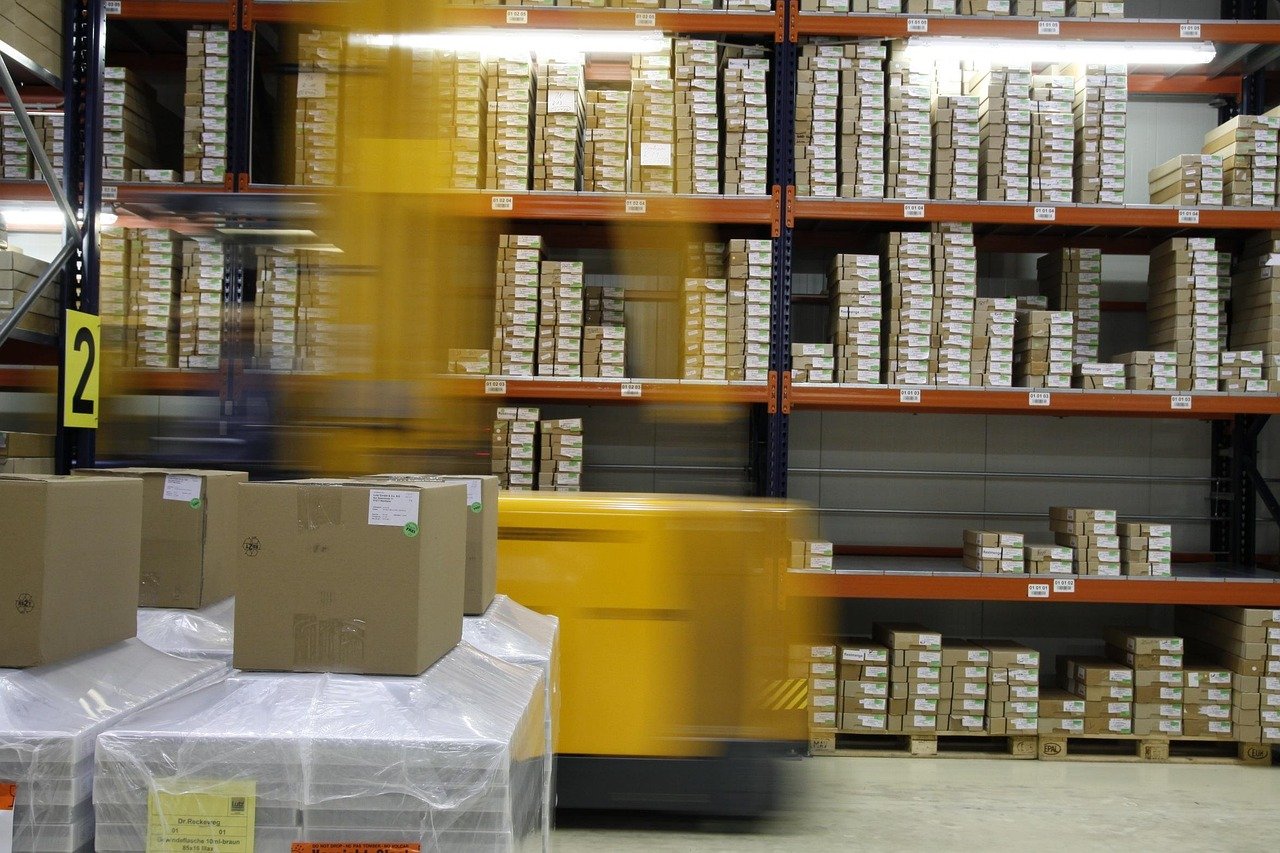
While hyperlocal delivery itself operates at a very local, last-mile scale, the retailers and brands relying on it depend on a steady upstream supply chain to keep their shelves stocked in the first place — which is where RR Brothers and Logistics fits in. Our e-commerce logistics and sea and air freight services help retailers and distributors keep inventory flowing reliably from manufacturing origins in China into the regional distribution networks that ultimately stock the neighborhood stores participating in hyperlocal fulfillment across our partner markets. Dependable transportation logistics upstream is what makes a fast, reliable hyperlocal delivery experience possible downstream — a store can't fulfill a 30-minute delivery promise from a shelf that isn't stocked.