An FAQ Hub for the India-Russia Trade Corridor
Trade between India and Russia has grown into a genuinely active corridor over the past several years, and with that growth has come a distinct set of shipper questions — about routing, documentation, payment mechanisms, and compliance — that don't come up on more conventional lanes. This page collects the India-Russia trade logistics FAQ questions we're asked most, grouped by theme, with links to our full guides on each. RR Brothers and Logistics has built dedicated capability on this corridor precisely because it demands more specialist knowledge than a standard China or Turkey lane, and our India-Russia Trade Corridor page remains the best starting point for an overview of what we offer here.
Which Routes Actually Move Cargo to Russia?
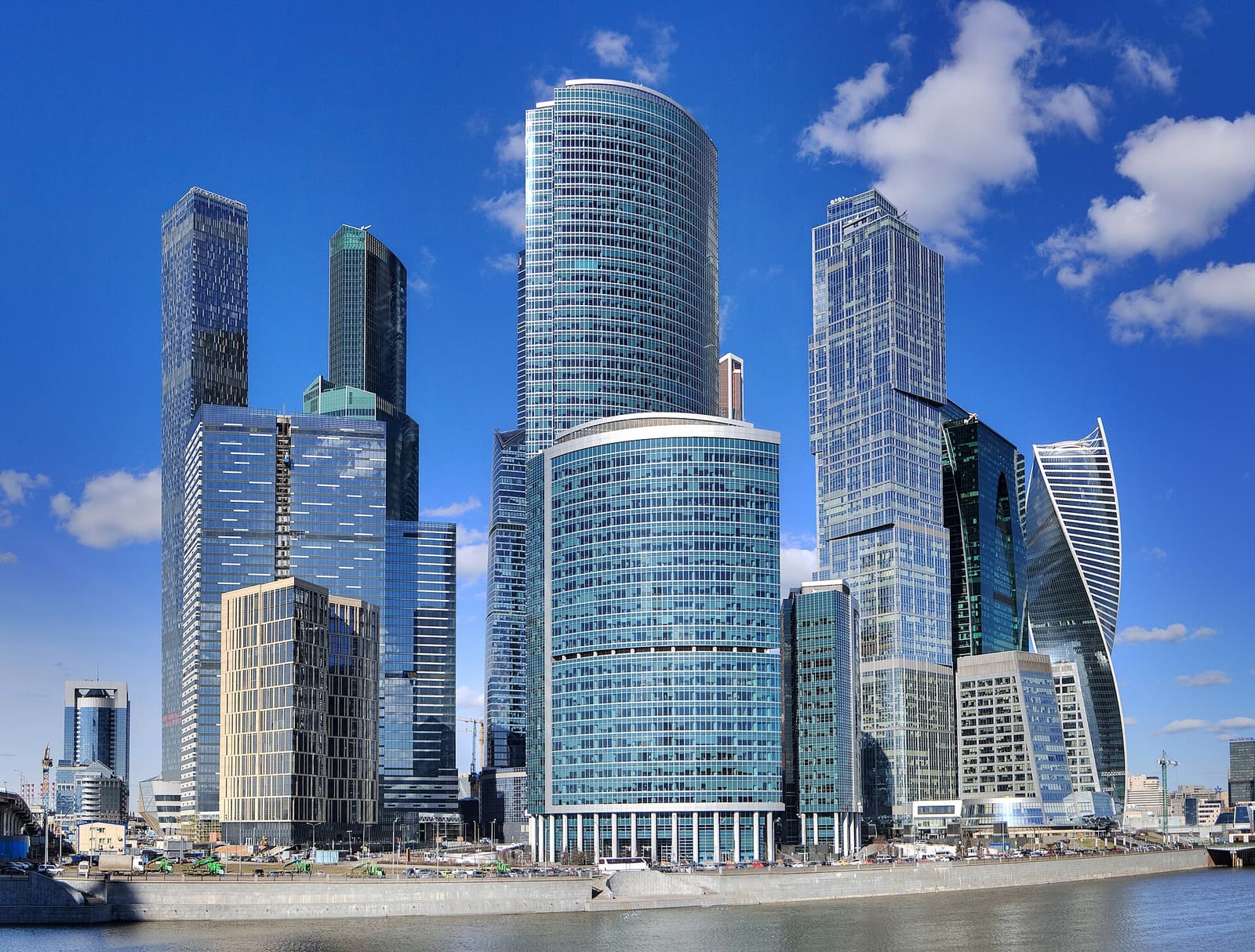
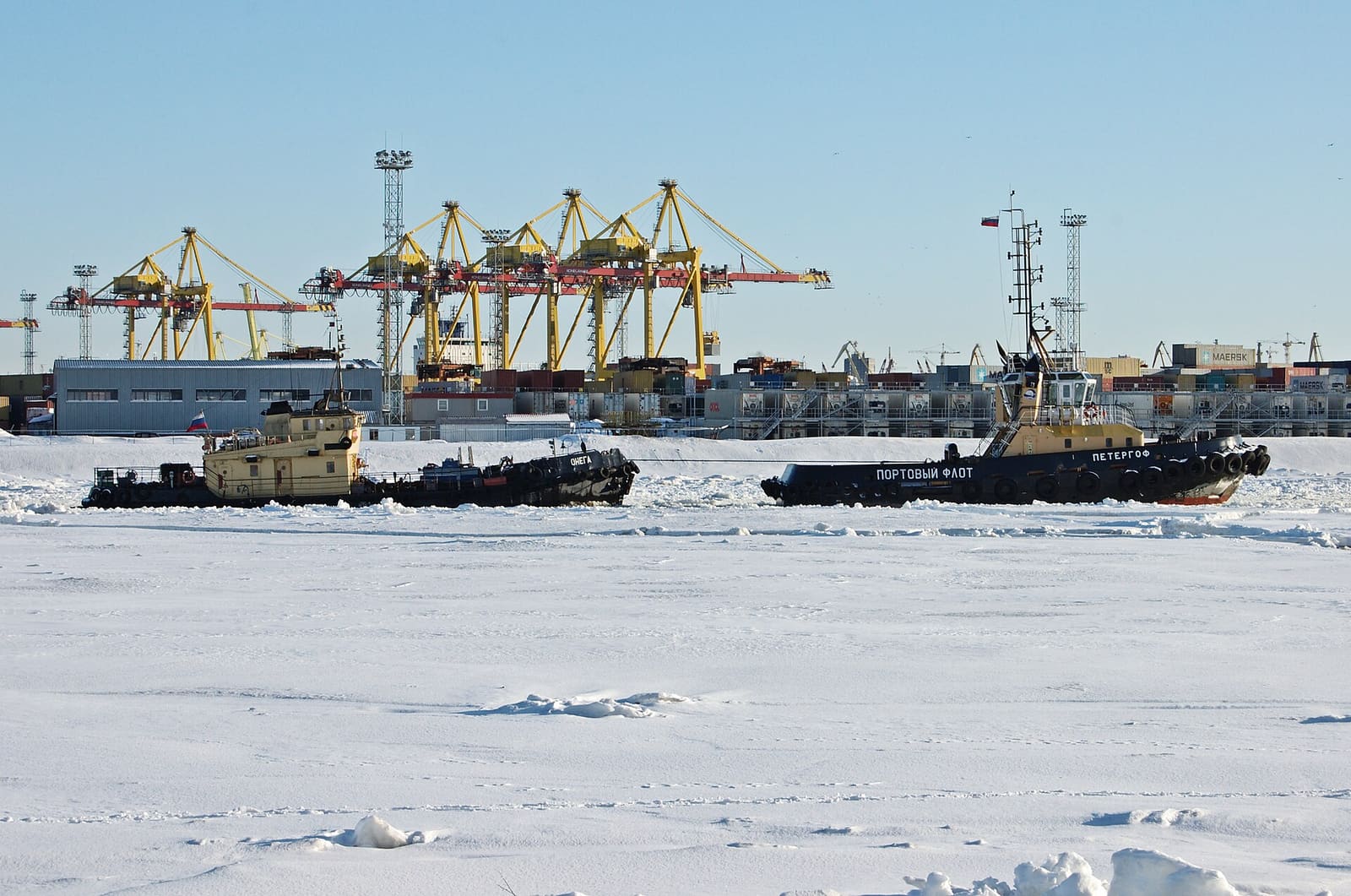
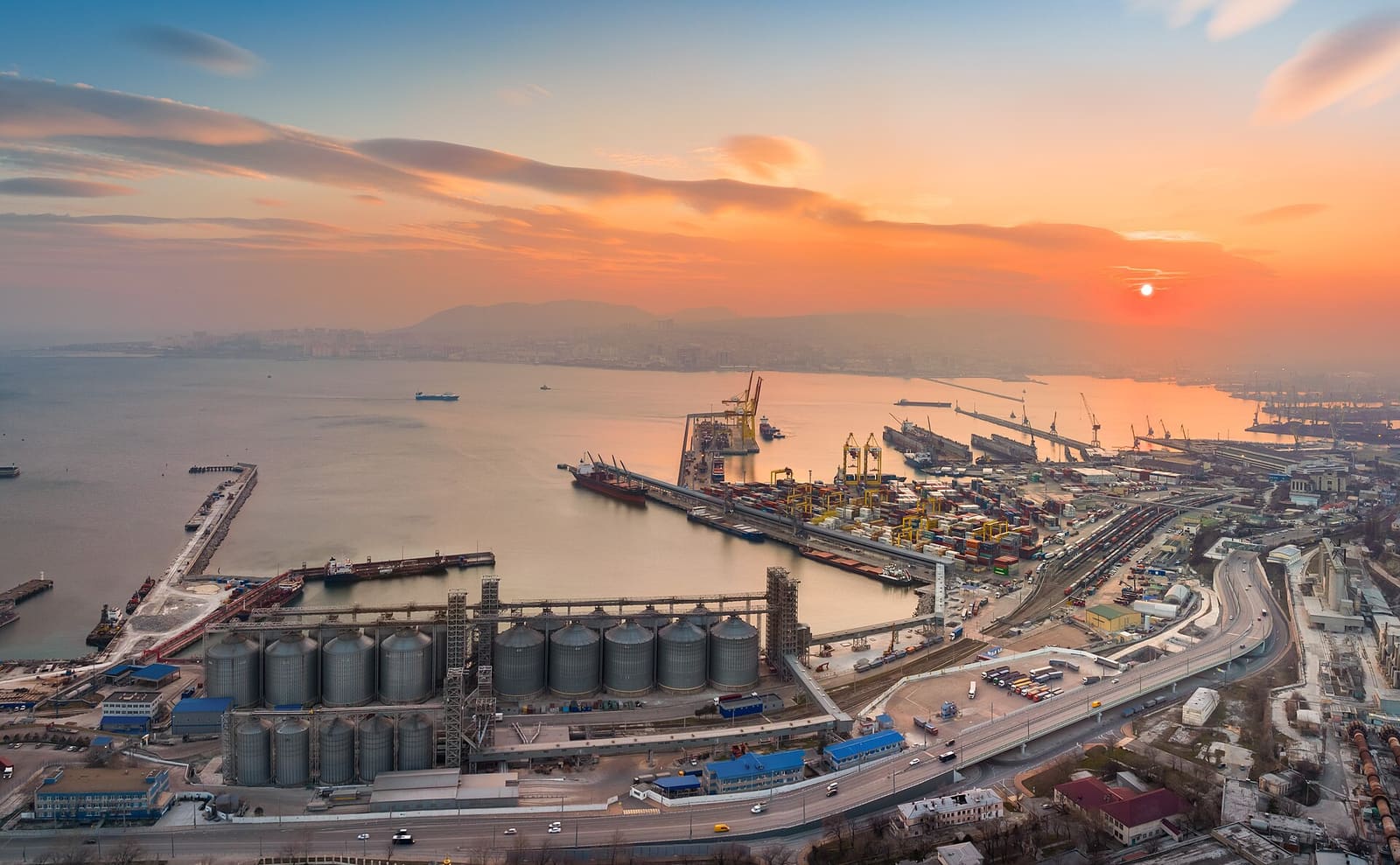
There isn't a single answer to "how do I ship to Russia from India" — several distinct routings exist, each suited to different cargo and timelines. The International North-South Transport Corridor (INSTC) is the multi-modal route connecting India via Iranian ports to Russia and onward toward Europe, established by a trilateral agreement between India, Iran and Russia and since joined by additional countries. For shippers moving cargo specifically to Moscow, Shipping to Moscow from India: Routes, Documents and Timelines walks through the fastest available combinations of sea and inland transport, and pairs well with our existing Mumbai (Nhava Sheva) to Russia shipping guide and the broader India Ports to Russia Shipping Guide for port-specific detail. Background on the corridor's fuller context, including how it compares to traditional maritime routing via the Suez Canal, is also available from the Asian Development Bank's INSTC explainer.
Documentation: What Russian Customs Actually Requires
Documentation is consistently the area where India-Russia shipments run into trouble, largely because requirements differ from the templates shippers are used to on other lanes. Our Documentation Checklist for Shipping Goods from India to Russia covers the mandatory paperwork for export from India and the additional certificates that regulated goods categories may require on the Russian side. Incomplete documentation is one of the most common causes of delay at Russian customs, so building extra time into a shipment plan for document verification is a sound default rather than an afterthought.
Payment and Compliance Questions
Two topics generate more careful questions than any other on this corridor: settlement mechanisms and compliance screening. On payments, rupee-ruble trade settlement has become a meaningful part of how India-Russia trade is financed, though the mechanics and scale of this arrangement continue to evolve — shippers should treat specific claims about settlement volumes as changeable rather than fixed. On compliance, the honest and responsible answer is that shippers moving cargo to Russia should run current restricted-goods and sanctions screening before every booking, since rules in this area change and a forwarder experienced in compliance checks is a genuine asset here rather than a formality. Our Sanctions and Compliance: Navigating Logistics to Russia guide sets out the process-oriented checks worth running, and we'd always recommend verifying current requirements directly with your forwarder and the relevant national authorities before committing cargo to this lane.
Staying Current on a Fast-Moving Corridor
Because routing options, documentation rules and payment mechanisms on the India-Russia corridor shift more frequently than on more established lanes, staying current matters more here than almost anywhere else in our network. Beyond the guides linked above, general trade-facilitation resources from bodies like the World Customs Organization offer useful background on documentation standards, even where they don't speak to Russia specifically. RR Brothers and Logistics tracks changes on this corridor closely because it's one of our active service lanes, not an occasional booking, which means clients get routing and compliance guidance reflecting current conditions rather than a static playbook.
Frequently Asked Questions
The main options are the INSTC via Iranian ports, direct or transshipped sea freight to Russian Baltic, Black Sea or Far East ports, and emerging rail-linked routings through Central Asia. The best choice depends on cargo type, destination city in Russia, and how time-sensitive the shipment is.
Shippers most often ask how rupee-ruble settlement works in practice and what compliance checks are needed before booking cargo to Russia. Both areas are evolving, so we recommend verifying current mechanisms and restricted-goods rules with your forwarder before every booking rather than relying on a previous shipment's terms.
Work with a forwarder who actively manages this corridor rather than books it occasionally, and treat any given routing, cost or compliance detail as current only as of the date it was confirmed — conditions on this lane can shift faster than on more established trade routes.
It depends on the specific origin and destination pair. The INSTC can shorten transit for cargo moving toward Moscow and points north compared with a full maritime routing, but conventional sea freight to Russian ports remains more straightforward for many shipments — a forwarder can compare both against your actual cargo and deadline.