India's Largest Land Trade Relationship
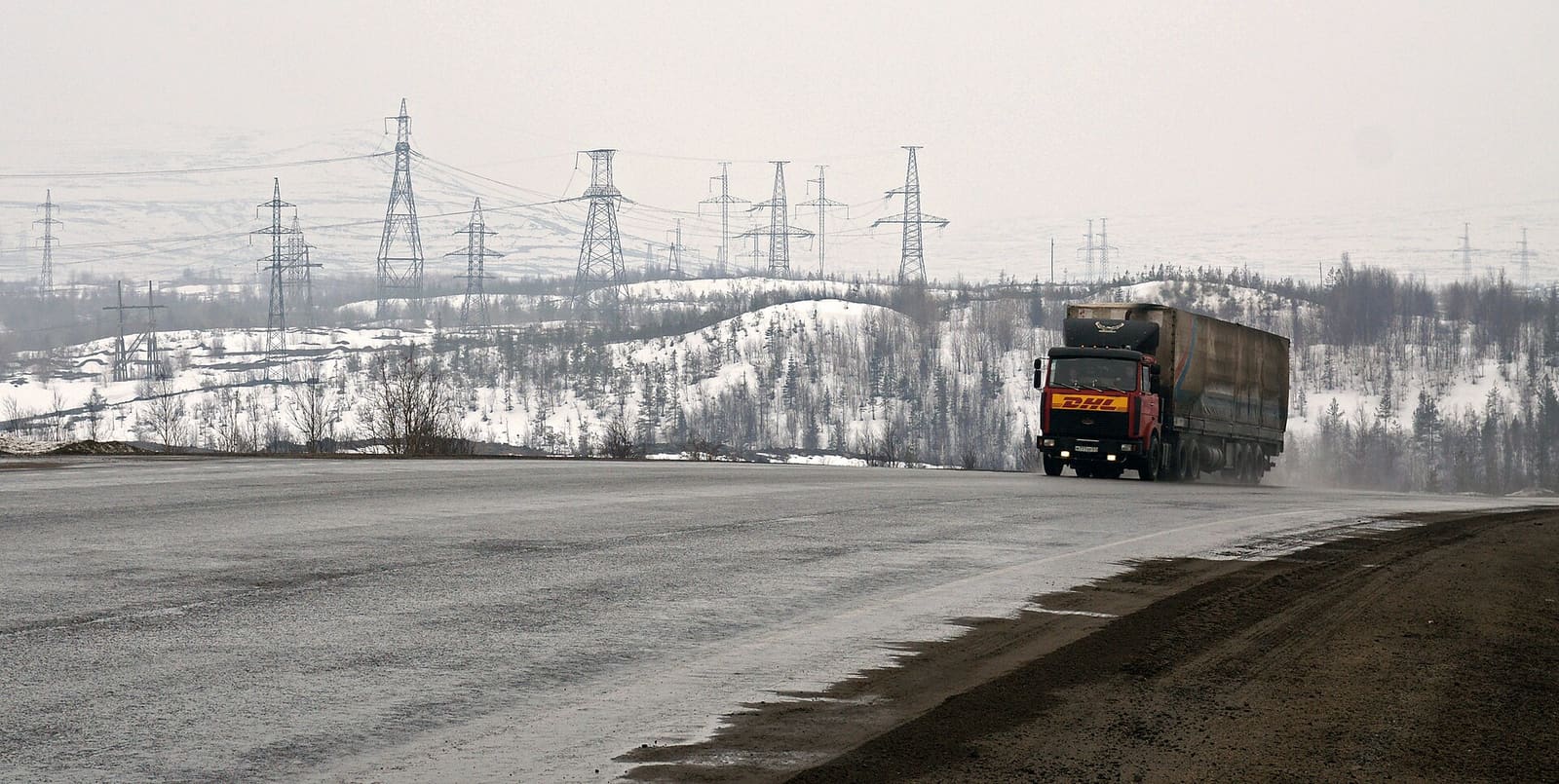
Bangladesh is India's largest trading partner in South Asia, and unlike most of India's major trade corridors, a substantial share of that trade moves overland rather than by sea. The India Bangladesh land trade route runs through a network of designated land customs stations along a shared border that stretches across West Bengal, Assam, Meghalaya, Tripura and Mizoram, making this one of the few genuinely significant road-based international trade corridors India operates at scale. For businesses used to thinking about export logistics purely in terms of ports and container bookings, this lane works differently enough that it's worth understanding on its own terms rather than assuming standard sea-freight logic applies.
The Land Customs Stations That Carry the Volume
Petrapole-Benapole, on the West Bengal-Jashore border, is by a wide margin the busiest land customs station on this corridor and handles the largest share of India-Bangladesh road cargo by value and volume. Other significant crossings include Ghojadanga, Hili, Changrabandha and Fulbari in the west, alongside a set of crossings in India's northeastern states — Agartala-Akhaura and Dawki, for example — that serve trade with Bangladesh from Tripura and Meghalaya respectively. Congestion at Petrapole-Benapole has been a persistent operational challenge given how much of the corridor's total volume funnels through a single crossing, and land infrastructure upgrades on both sides have been an ongoing area of investment aimed at reducing truck turnaround time and border-side dwell.
What Documentation a Land Shipment Actually Needs
Cross-border road shipments require the same foundational export documentation as any international shipment — commercial invoice, packing list, and a certificate of origin where preferential treatment is being claimed — but land movement adds its own layer: a bill of entry or its road-transport equivalent processed at the land customs station, transport permits for the vehicle crossing the border, and increasingly, electronic tracking through India's e-way bill system for the domestic leg of the journey before the goods reach the border. Getting paperwork sequenced correctly before the truck reaches the crossing matters more on a land route than it does at a seaport, simply because there's no equivalent of a vessel's multi-day port stay to absorb a documentation delay — a truck sitting at a border crossing is a very visible and costly form of dwell time. India's official e-way bill portal and the Central Board of Indirect Taxes and Customs are the reference points for current documentation requirements on the Indian side.
Land Route vs Sea Freight: A Practical Comparison
| Routing | Typical Transit | Best Suited To |
|---|---|---|
| Land route via Petrapole-Benapole | 2–5 days border-to-border, plus domestic legs | Time-sensitive, moderate-volume cargo near the border regions |
| Sea freight, Kolkata to Chattogram | 4–7 days | Bulk and containerised cargo, larger consignments |
| Air freight, Kolkata/Delhi to Dhaka | 1–2 days | Urgent, high-value or perishable goods |
The land route's real advantage is speed and flexibility for cargo originating near the border regions — a shipment from eastern India can reach Dhaka-area buyers faster by road than it could via any sea routing, even accounting for border processing time, though sea freight remains more economical for larger consignments moving from further inland.
Cargo Categories Dominating the Corridor
Cotton and man-made fibre yarns, cotton fabrics, machinery and industrial inputs, vehicles and auto components, plastics, and agricultural products including onions, cotton and various processed foods make up a large share of India's exports to Bangladesh via this corridor, feeding Bangladesh's substantial garment manufacturing sector among other industries. On the reverse leg, Bangladesh exports garments, jute and jute products, processed foods and leather goods into India, though import volumes on that side remain considerably smaller than the outbound flow. This trade pattern connects naturally with the broader theme of India building out preferential and neighbouring-market trade lanes that we've also covered in the context of the India-ASEAN trade route, where overland connectivity through India's northeast plays a similar bridging role toward Southeast Asia.
Two Practical Notes for Shippers
- Pre-clear documentation before the truck departs, not after it arrives at the border. Land crossings have far less capacity to absorb a paperwork delay than a seaport does, and a truck queue at Petrapole-Benapole during a busy period can turn a same-day crossing into a multi-day wait.
- Don't assume the land route is always cheaper just because it's shorter. For larger consignments moving from ports further inland, consolidated sea freight into Chattogram can still work out more economical once trucking and border handling costs are fully accounted for.
RR Brothers and Logistics coordinates both land and sea options for India-Bangladesh cargo as part of our wider India network, and we help shippers weigh the land route against sea or air alternatives — including the closely related India-Nepal cross-border corridor — based on origin, cargo type and delivery timeline rather than defaulting to whichever option is more familiar.
Frequently Asked Questions
Petrapole-Benapole on the West Bengal-Jashore border handles the largest share of India-Bangladesh road cargo by far, with Ghojadanga, Hili, Changrabandha, Agartala-Akhaura and Dawki serving significant secondary volumes.
Standard export documentation — commercial invoice, packing list and certificate of origin where relevant — plus a bill of entry processed at the land customs station, vehicle transport permits, and e-way bill tracking for the domestic leg within India.
Land routes are typically faster for cargo originating near the border, often crossing in 2–5 days, while sea freight from Kolkata to Chattogram takes 4–7 days but is generally more economical for larger, bulk consignments.
Cotton and yarn, fabrics, machinery, vehicles and auto components, plastics and agricultural products make up the bulk of India's exports, largely feeding Bangladesh's garment manufacturing sector.