Making Sense of "Logistics Solutions" as a Category
Few phrases in freight are used as loosely as "logistics solutions." To one business it means a single warehouse contract; to another it means a fully outsourced supply chain spanning three continents. This FAQ hub groups the logistics solutions questions we hear most from growing businesses — manufacturers, SMEs, e-commerce sellers — into clear themes, with links to our deeper guides wherever a topic warrants a full read. As a freight forwarder and NVOCC managing multimodal logistics for clients across China, India, Turkey, Kenya and Nigeria, RR Brothers and Logistics builds logistics solutions ranging from a single lane booking to genuinely end-to-end programs, so we see the full range of what businesses mean by the term.
What Counts as a "Logistics Solution"?
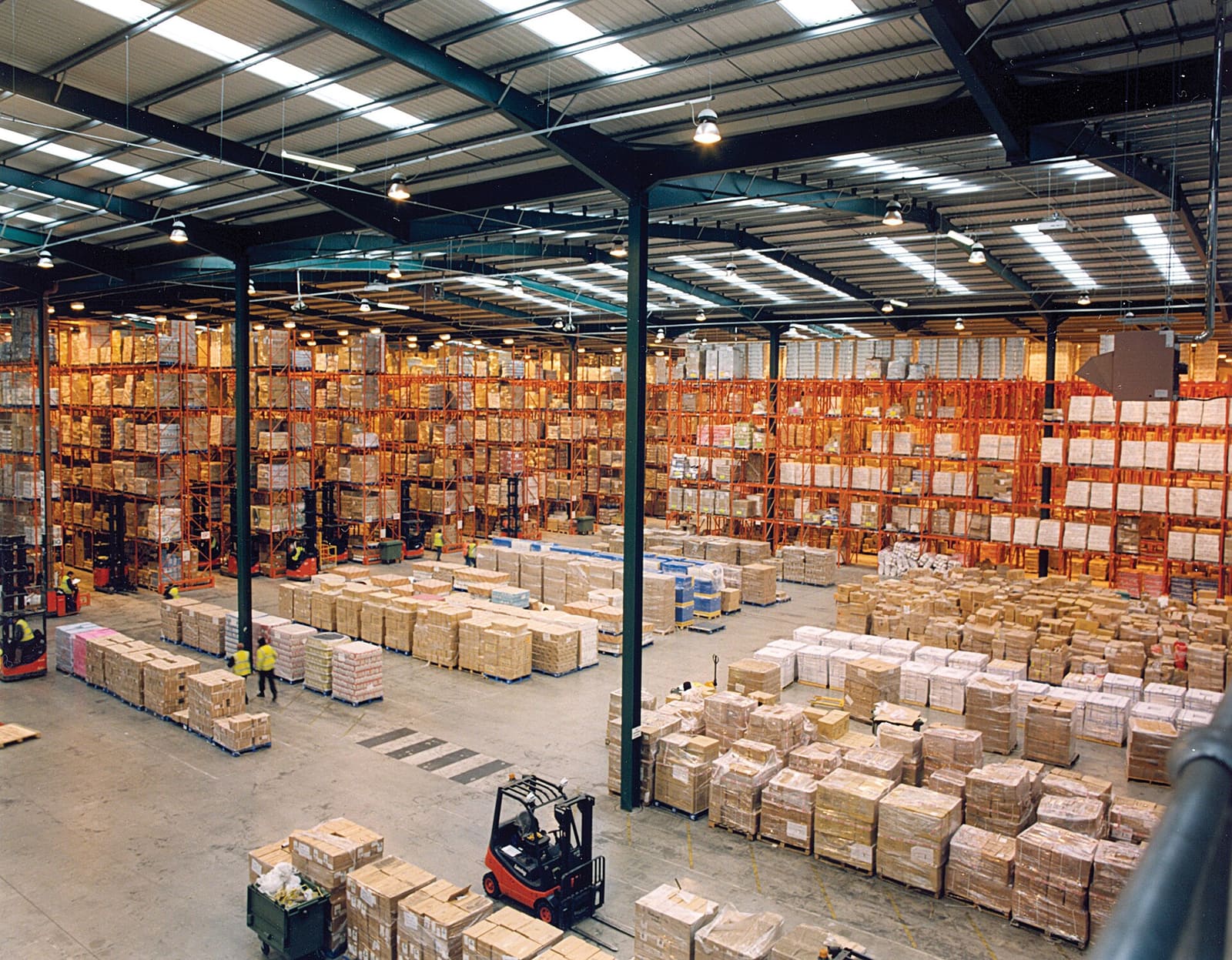
Our foundational guide, What Are Logistics Solutions? A Guide for Growing Businesses, defines the term broadly: any combination of transport, warehousing, customs, and coordination services bundled to solve a specific business problem, rather than a single freight booking. A business typically needs a logistics solutions provider once its shipping needs outgrow ad-hoc bookings — multiple origins, recurring volumes, or a need for inventory storage between transport legs. For businesses wanting the fullest version of this, End-to-End Logistics Solutions Explained covers what "door to door" really includes: origin pickup, export customs, international transport, import clearance, last-mile delivery, and everything administrative in between.
Custom, Outsourced and Integrated Models
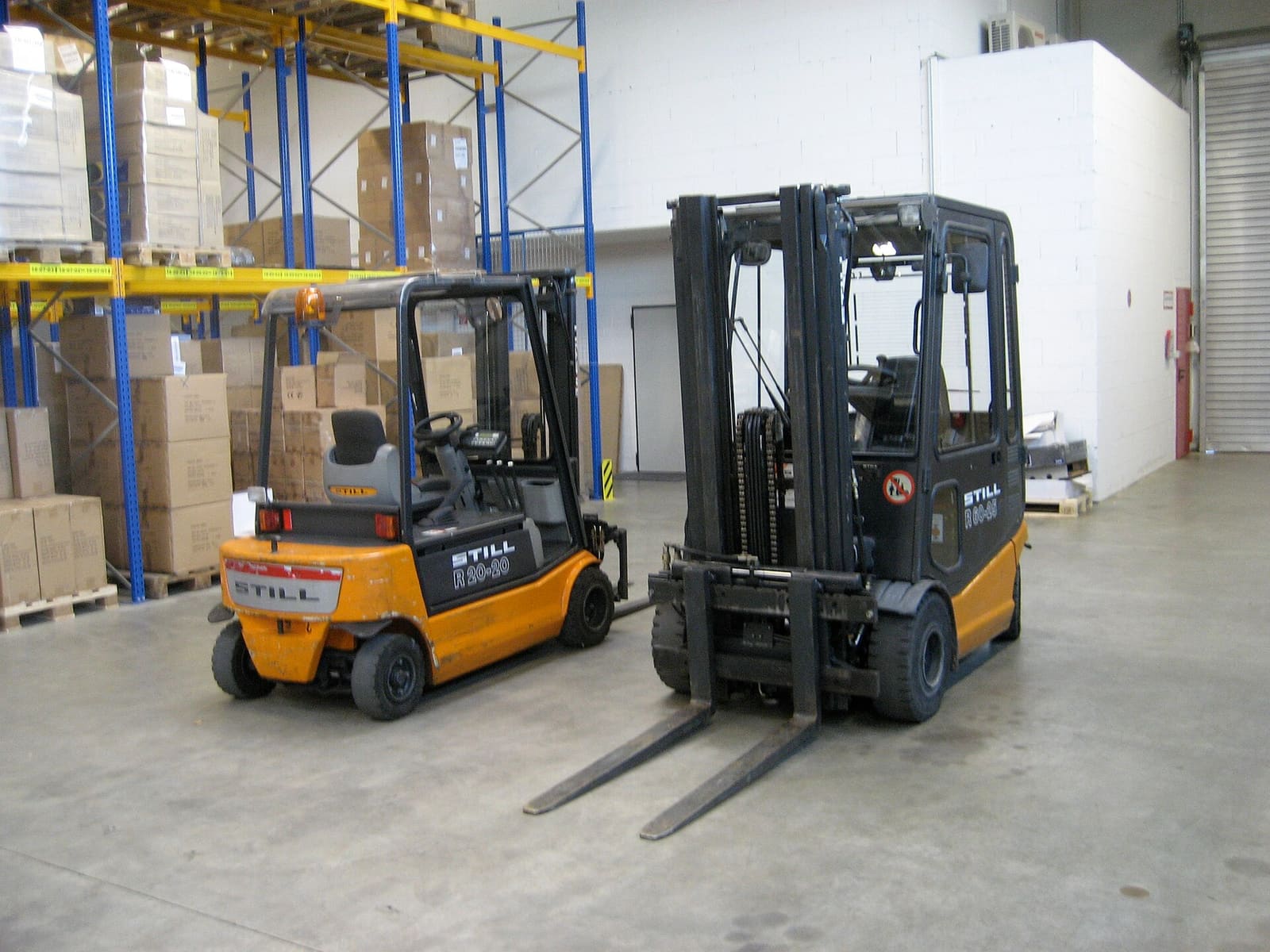
Not every business needs the same shape of solution. Manufacturers with irregular production schedules or oversized cargo often need something built around them specifically — see Custom Logistics Solutions for Manufacturers for how pricing and service design differ from standard freight. Businesses deciding whether to build logistics capability in-house or hand it to a specialist should read Third-Party Logistics Solutions: When Outsourcing Makes Sense, which also links to our existing comparison of 3PL vs 4PL logistics models. And for companies trading across multiple borders simultaneously, Integrated Logistics Solutions for Cross-Border Trade explains how coordinating customs and transport together — rather than as separate handoffs — cuts delay at each border crossing.
Solutions Sized for Small Businesses
A recurring worry from smaller shippers is that "logistics solutions" sounds like an enterprise-only service with enterprise-only pricing. Logistics Solutions for Small Businesses: Getting Started addresses this directly, showing how consolidation and shared-service models let smaller shippers access rates and reliability that would otherwise require far higher volume. The honest answer to "when should a small business hire a dedicated logistics partner" is usually: once shipping starts eating disproportionate time relative to order volume, or once a missed delivery starts costing real customer trust.
Returns and the Last Mile
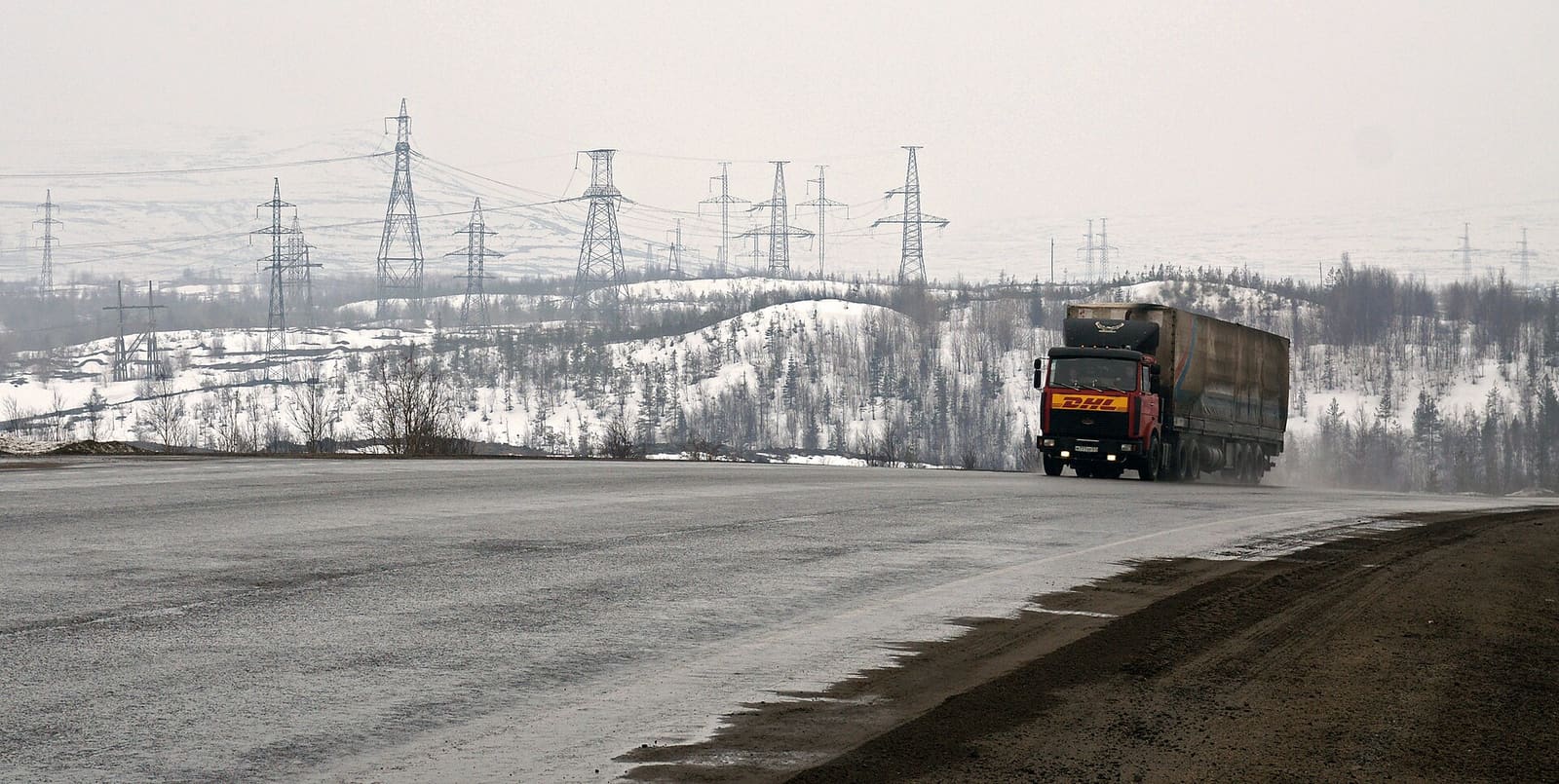
Two specialised areas generate their own cluster of questions. Reverse logistics — handling returns, exchanges and recalls — is covered in Reverse Logistics Solutions: Managing Returns Efficiently, which explains why this function has grown in importance alongside e-commerce and what it costs to do well. On the delivery side, Last-Mile Logistics Solutions Explained looks at why the final leg to a customer's door is consistently the most expensive part of any logistics chain, and how urban versus rural delivery economics differ in a market like India.
For businesses trying to decide where logistics solutions fit relative to broader supply chain strategy, it's worth remembering that logistics is the execution layer — the physical movement and storage of goods — while supply chain strategy is the higher-level planning around sourcing, inventory, and demand. Good execution can't fully compensate for a weak strategy, but a strong strategy is worthless without reliable execution on the ground. Bodies like UNCTAD and the World Customs Organization publish useful background on how logistics performance affects trade competitiveness more broadly, which is worth reading alongside anything vendor-specific. If your business is somewhere on this spectrum — from a single recurring lane to a fully integrated cross-border program — RR Brothers and Logistics can scope a solution that matches where you actually are today, not where a generic package assumes you should be.
Frequently Asked Questions
Most commonly: what's actually included in a "logistics solution," whether outsourcing makes sense at their size, and how pricing works compared with booking freight and warehousing separately. This hub groups those questions by theme with links to deeper guides on each.
By pointing to the specific guide that matches your situation — custom solutions for manufacturers, outsourced 3PL models, small-business-sized options, or end-to-end programs — rather than a one-size-fits-all answer that doesn't reflect how different logistics needs actually are.
Each section above links to a full-length guide on that specific topic. For a broader freight forwarding perspective alongside logistics solutions, our Freight Forwarding FAQs hub covers the booking and shipping side in similar depth.
Both. We handle single-lane freight bookings as well as fuller logistics programs combining transport, warehousing, and customs clearance across our China, India, Turkey, Kenya and Nigeria network, scoped to match each client's actual volume and complexity.