From Multichannel to Omnichannel: What Actually Changed
Multichannel retailing — a store, a website, a marketplace storefront, each running more or less independently — has been standard practice for over a decade. Omnichannel fulfillment is a different and more demanding operating model built on top of those same channels. Instead of each channel holding and managing its own dedicated inventory, an omnichannel retailer treats every unit of stock, wherever it physically sits, as part of a single shared pool visible to every channel at once. A customer ordering online can be fulfilled from a nearby store's backroom stock rather than a distant distribution center; a shopper standing in a store can be told a size is available for next-day delivery from the warehouse rather than losing the sale entirely. The National Retail Federation and other industry bodies have tracked this shift for years as retailers have invested heavily in the systems needed to make a single inventory pool actually work in practice, and for transportation logistics teams specifically, it has meant rebuilding fulfillment network design almost from scratch.
The Single Inventory Pool Is the Whole Strategy
It's worth being precise about what makes a fulfillment strategy genuinely omnichannel rather than just multichannel with better marketing. The defining feature is that inventory visibility and allocation decisions happen at the network level, not the channel level. A retailer's order management system needs a real-time, accurate count of stock across every store, distribution center and micro-fulfillment node, updated continuously as sales happen anywhere in the network. Without that real-time accuracy, the whole model breaks down — promising a customer same-day pickup on stock that was actually sold in-store twenty minutes earlier is worse for customer trust than not offering the option at all. This is why so much of the investment behind omnichannel retail has gone into inventory management and point-of-sale integration technology rather than the customer-facing website or app, which is usually the easier half of the problem.
Getting to that single pool is rarely a clean technical project. Most retailers arrive at omnichannel fulfillment with years of legacy systems already in place — a store point-of-sale platform from one vendor, a warehouse management system from another, and an e-commerce platform that was never designed to query either in real time. Reconciling those systems into one inventory source of truth typically takes longer and costs more than retailers initially budget for, which is a large part of why omnichannel rollouts tend to proceed store cluster by store cluster or region by region rather than as a single company-wide switch. Retailers that try to move too quickly, before the underlying data integration is solid, often discover the problem only after customers start reporting cancelled orders for items the system showed as available.
Why the Investment Case Has Become So Clear
Retail trade groups have been documenting consumers' shift toward blended shopping behavior for years — browsing online before buying in-store, checking in-store stock before ordering for delivery, and expecting consistent pricing and promotions regardless of channel. The National Retail Federation has tracked rising consumer expectations around fulfillment speed and flexibility across its annual research, and retailers that have invested in unified inventory systems have generally reported meaningfully higher conversion on omnichannel shoppers compared with single-channel shoppers, since those customers aren't blocked by a stockout at the one location or channel they happened to check first. For transportation logistics planning, the practical consequence is that fulfillment network design decisions — how many nodes to enable for shipping, which carriers to contract at each, how much same-day capacity to build — now have to be made with this blended shopping behavior as the baseline assumption, not an edge case to accommodate later.
Order Orchestration: Deciding Where Each Order Ships From
Once inventory visibility exists, the second piece is order orchestration — the logic that decides, for every single order, which location should fulfill it. This is genuinely a transportation logistics optimization problem, not just an inventory question. The system typically weighs several factors simultaneously: which locations currently hold the item in stock, how far each is from the delivery address, whether fulfilling from a store would deplete inventory needed for walk-in sales, each location's current labor and packing capacity, and the shipping cost and transit time associated with each option. The nearest location to the customer is often, but not always, the one selected — a store two miles away with only one unit in stock and a long in-store queue may lose out to a fulfillment center twelve miles away with abundant stock and spare packing capacity, if the orchestration logic is tuned to prioritize reliability and cost over pure proximity.
An Umbrella Strategy Drawing on Several Fulfillment Channels
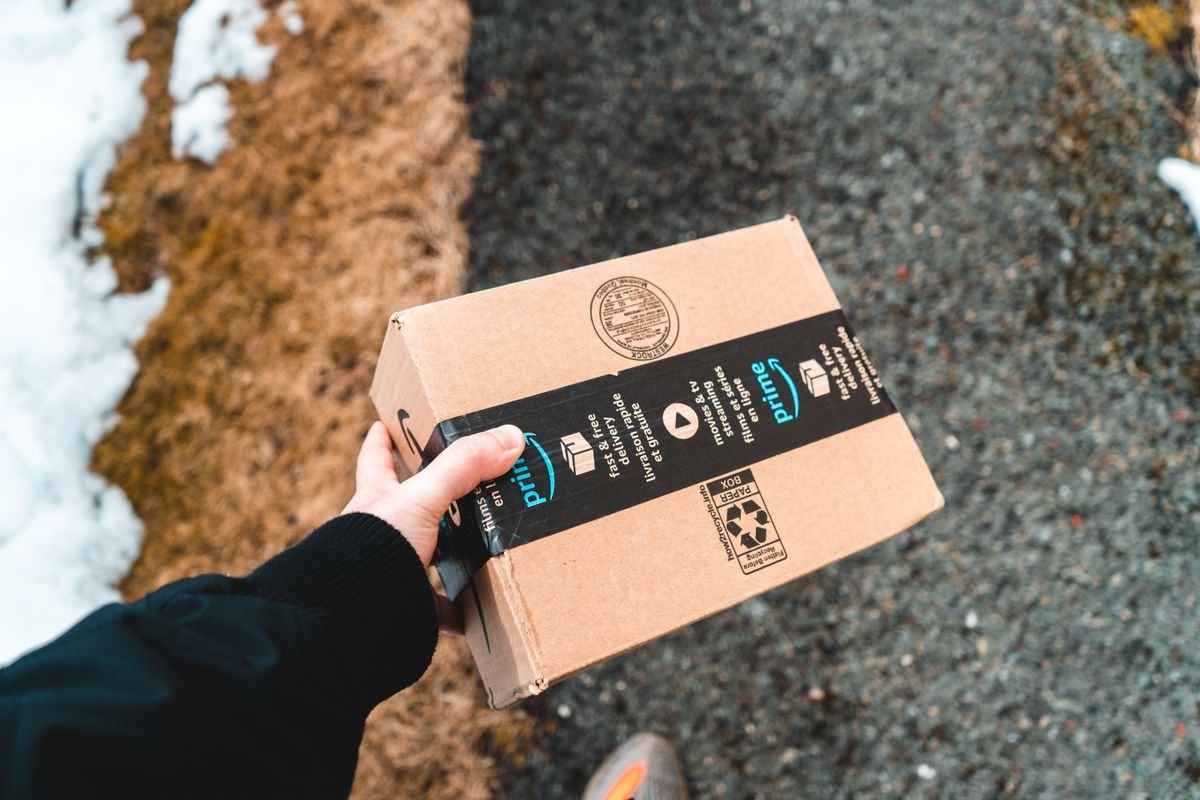
Omnichannel fulfillment isn't really a single new method of delivery — it's the coordinating layer that decides which existing fulfillment option fits each order best. Buy-online-pickup-in-store lets a customer collect from a location without a home delivery leg at all; our guide to BOPIS logistics covers how that works operationally. Marketplace fulfillment through platforms like Amazon, Flipkart or Meesho adds another channel with its own fulfillment rules and timelines, explored in our piece on marketplace fulfillment logistics. And for grocery and other fast-turnover categories, micro-fulfillment centers add a dense network of small, automated nodes positioned for rapid delivery. A true omnichannel strategy routes each order through whichever of these channels suits that specific item, customer location and delivery promise best, rather than treating any one of them as the default and the others as exceptions.
What an Omnichannel Operation Requires to Work Reliably
- Real-time inventory synchronization — every sale, return and stock transfer across every channel needs to update the shared inventory count within seconds, not overnight batch cycles, or orchestration decisions will be made on stale data.
- Cross-trained store and warehouse labor — staff at a store location fulfilling online orders need picking, packing and shipping skills that weren't traditionally part of a retail sales role, requiring new training and staffing models.
- Flexible carrier and transportation logistics arrangements — fulfilling from hundreds of store locations rather than a handful of distribution centers means working with carriers capable of pickup from many more origin points, often at lower volume per stop.
- Unified returns processing — a product needs to be accepted back into the same shared inventory pool regardless of which channel it was bought through or returned to, which reverse logistics systems have to support explicitly.
- Demand forecasting at the node level — allocating stock across dozens or hundreds of fulfillment-capable locations requires far more granular forecasting than a traditional hub-and-spoke distribution model needed.
Why Returns Are the Hardest Part to Get Right
Reverse logistics is where many omnichannel strategies quietly struggle even after the forward fulfillment side is working well. A product bought online might be returned in-store, where staff then have to decide whether to restock it for local sale, ship it back to a distribution center, or route it to a liquidation channel — each option interacting with the shared inventory pool differently and needing to update it accurately and quickly. A product fulfilled from one store's stock might be returned by mail to a completely different regional hub. Without disciplined, system-driven rules for how returned inventory re-enters the pool, retailers commonly end up with phantom stock records that look available in the system but aren't physically present at the location the orchestration engine thinks they are, which erodes the real-time accuracy the entire strategy depends on.
Measuring Whether an Omnichannel Strategy Is Actually Working
Retailers tend to track a specific set of metrics to judge omnichannel fulfillment performance: order-to-delivery time segmented by fulfillment node type, the percentage of orders fulfilled from a store versus a distribution center, inventory accuracy rates at the SKU and location level, and the rate of cancelled or substituted orders caused by inventory discrepancies. A rising share of store-fulfilled orders generally signals the orchestration engine is successfully using the full network rather than defaulting to distribution centers out of habit, while a high substitution or cancellation rate usually points back to inventory accuracy problems rather than a transportation logistics failure. Because the strategy depends on so many systems working together — point of sale, warehouse management, order management and transportation management — most retailers treat it as a multi-year rollout rather than a single project, expanding node by node and channel by channel as the underlying data accuracy improves.
How RR Brothers and Logistics Can Help
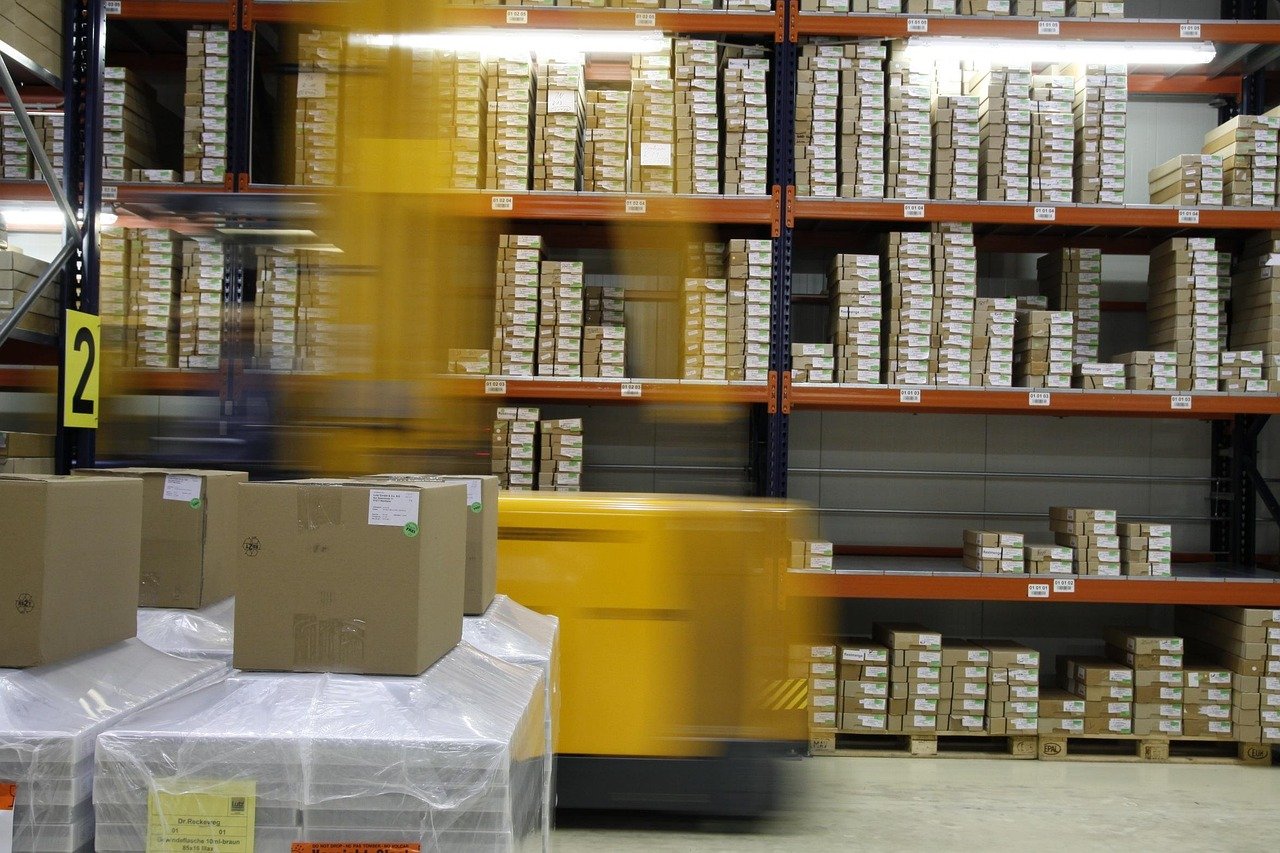
Supporting an omnichannel fulfillment strategy means being able to move inventory flexibly between a retailer's distribution centers, regional hubs and last-mile delivery partners, not just running a single fixed route. It also means the inbound side of the network — getting imported product into those distribution centers and regional hubs reliably and on schedule in the first place — has to be just as dependable as the outbound last-mile leg, since a single inventory pool is only as strong as its weakest supply point. RR Brothers and Logistics supports e-commerce and retail clients with warehousing and distribution services designed around exactly this kind of multi-node network, alongside the customs clearance and multimodal freight capacity needed to keep inventory flowing into those nodes reliably from origin markets, including sourcing out of China. Whether a retailer is building out its first regional distribution footprint or refining an existing omnichannel network, our team can help structure the transportation logistics underneath it so the strategy holds up in practice, not just on paper.
Frequently Asked Questions
Multichannel retailing sells through multiple separate channels — a store, a website, a marketplace — each typically holding and managing its own inventory. Omnichannel fulfillment treats all of that inventory as a single shared pool visible and allocable across every channel, so a single order can be filled from whichever location is fastest or cheapest, regardless of which channel the sale came through.
The core requirement is a real-time, unified view of inventory across every store, warehouse and micro-fulfillment node, combined with an order management system capable of routing each order to the best-fit location based on proximity, stock level and cost, rather than defaulting to a single distribution center.
Not necessarily — proximity is one factor among several an order orchestration system weighs. It also considers current stock levels, whether fulfilling from a store would deplete inventory needed for in-person sales, labor capacity at that location, and total fulfillment cost, so the nearest location isn't always the one selected.
Because a product can be bought online and returned in-store, bought in-store and returned by mail, or fulfilled from a store's own retail stock, the returned item has to be re-absorbed back into the same shared inventory pool across whichever channel it re-enters through, which requires reverse logistics processes far more integrated than a simple single-channel returns desk.