What On-Demand Warehousing Actually Is
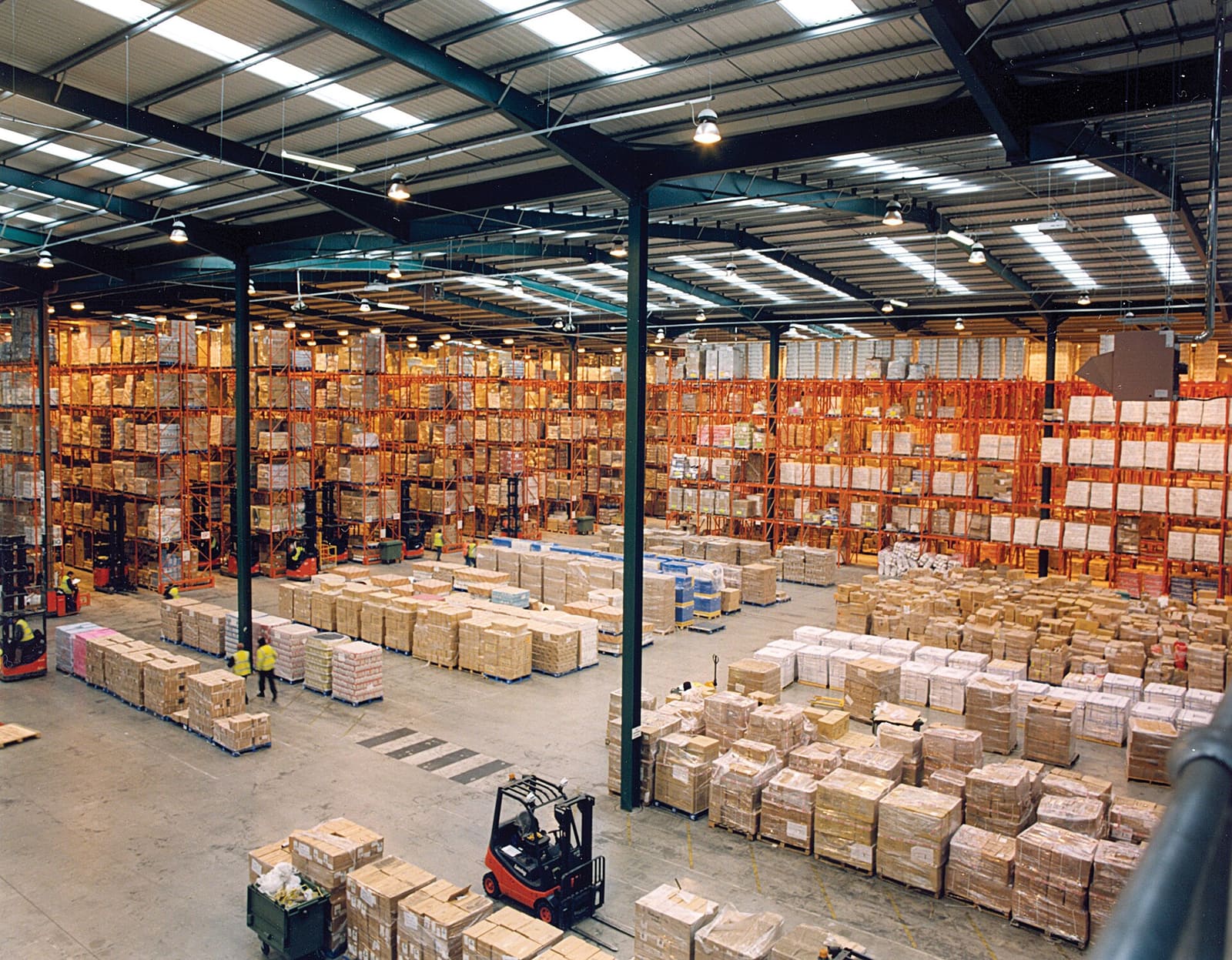
On-demand warehousing is a marketplace model that connects shippers who need storage space for a defined period with warehouse operators and 3PLs who have spare capacity to sell. Rather than signing a lease for a fixed square footage over a fixed term — the traditional way businesses have secured warehousing for decades — a shipper using an on-demand model pays for exactly what they use, typically priced per pallet position or per square foot per month, with no obligation to keep paying once the goods move out. For a segment of transportation logistics that has historically been dominated by long-term real estate commitments, this is a genuinely different way of thinking about storage: capacity becomes something you rent by the month or even by the week, rather than something you build or lease years in advance based on a demand forecast that may or may not hold up.
How the Marketplace Model Actually Works
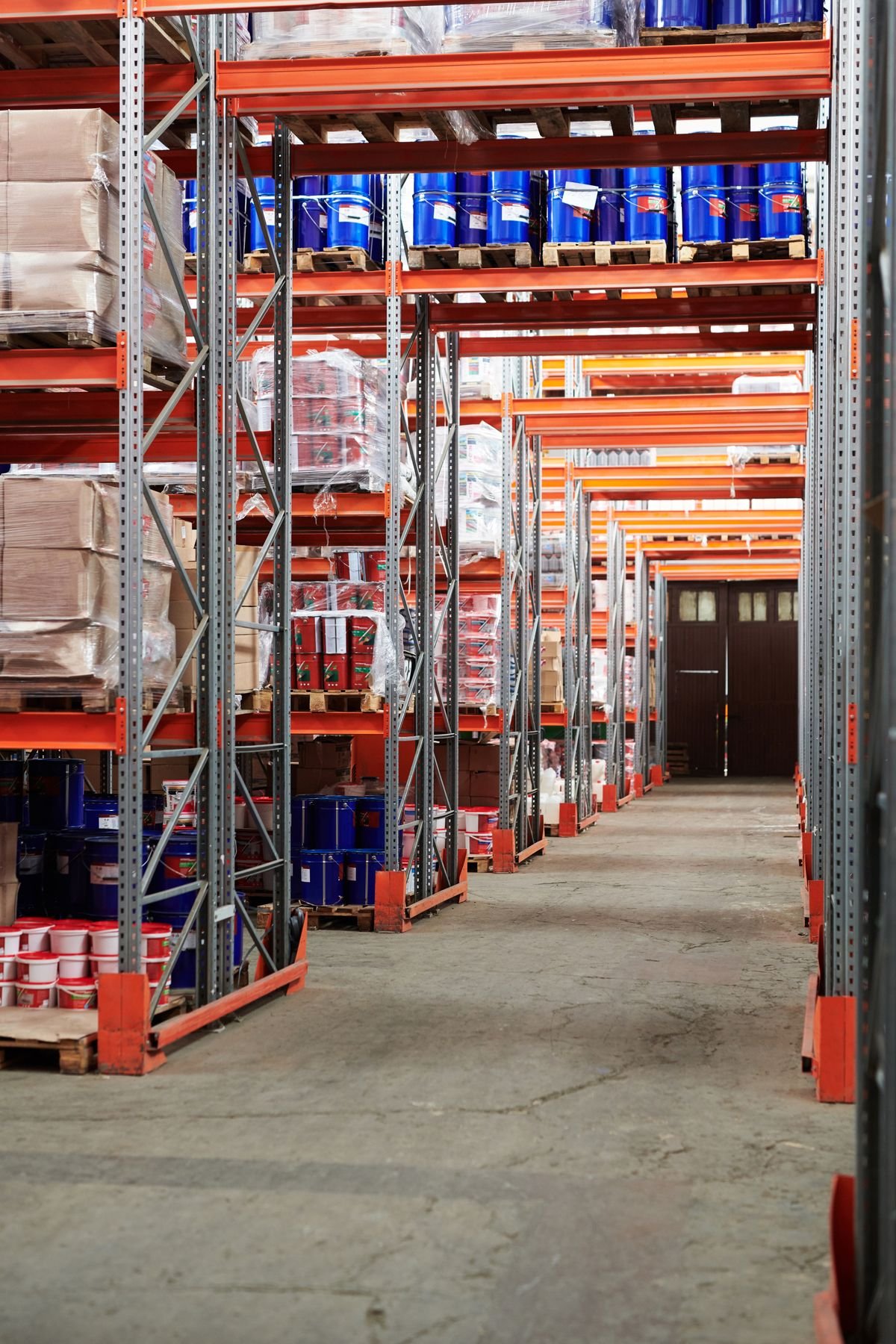
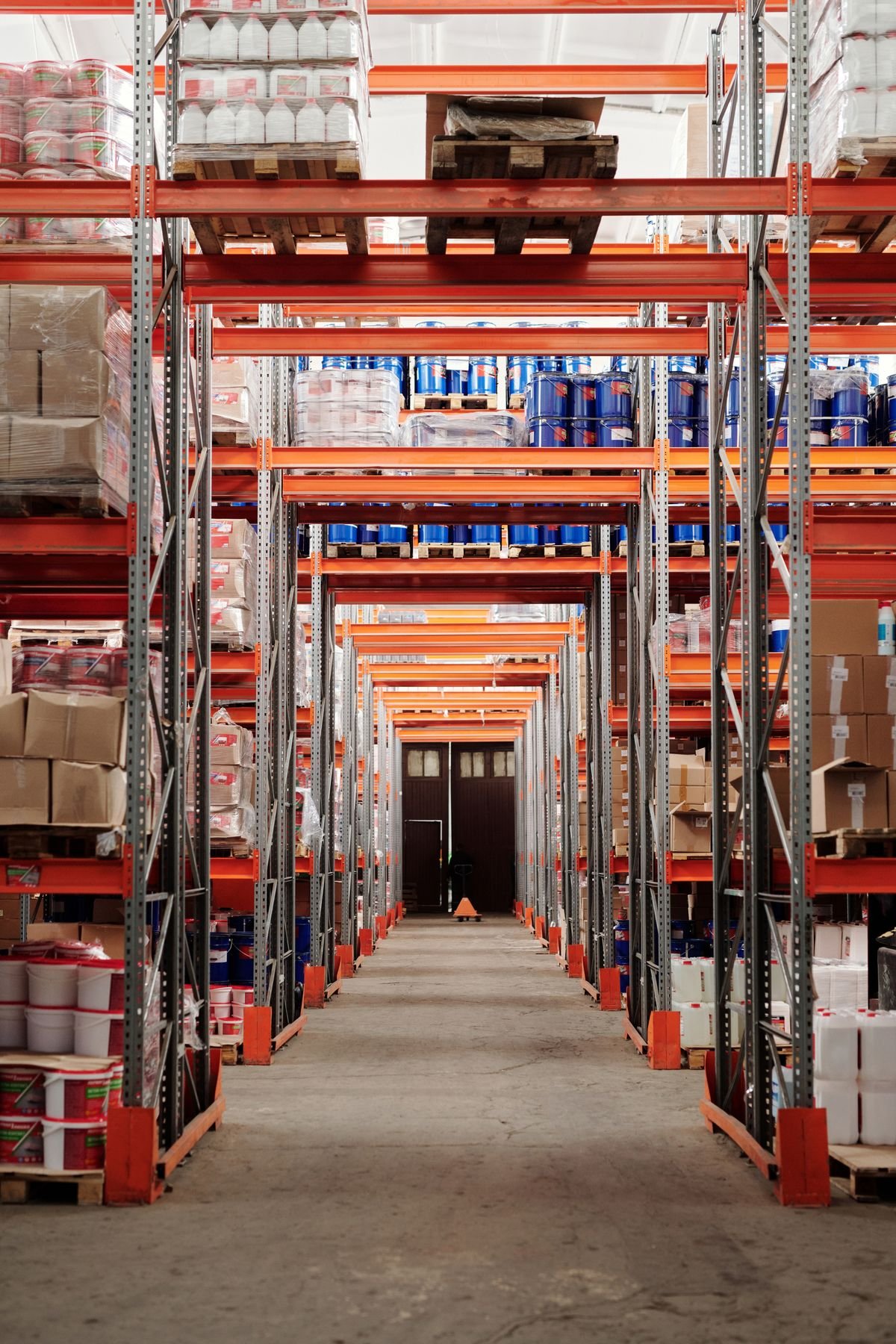
The mechanics are fairly straightforward once you see one in action. A network of warehouse operators — some of them large 3PLs with spare capacity in an existing facility, others smaller regional operators — lists available space, typically categorized by pallet positions, square footage, temperature control, and value-added services like pick-and-pack or labeling. A shipper searching for space specifies location, volume, and duration, and is matched with available capacity at a published or negotiated rate. Contracts run from a few weeks to several months rather than the multi-year terms typical of a direct lease, and the shipper generally is not responsible for the fixed costs of running the facility — utilities, staffing baseline, equipment maintenance — the way a leaseholder would be. This is what makes on-demand warehousing structurally different from simply negotiating a shorter lease: the operator absorbs the fixed-cost risk of the building itself and spreads it across many customers using the space at different times, while the shipper only pays for the variable capacity actually consumed.
Why Peak-Season and Seasonal SKUs Are the Best Fit
The clearest use case for on-demand warehousing is inventory that spikes predictably but briefly — a retailer building up stock ahead of a major sales event, a seasonal product line that needs three months of storage a year and nothing the rest of the time, or an e-commerce brand that has overordered ahead of a promotional push and needs somewhere to hold the surplus. In each of these cases, leasing a dedicated facility sized for peak demand means paying for a large amount of empty space for most of the year — exactly the inefficiency on-demand warehousing is designed to eliminate. We cover a broader version of this same seasonal planning problem, across freight booking and not just storage, in our guide to cost-effective logistics solutions for seasonal demand. The same logic that makes on-demand warehousing attractive for a short seasonal spike also makes it a poor fit for steady, year-round storage needs, where the lower per-unit cost of a direct lease or an ongoing 3PL contract usually wins out over time.
On-Demand Warehousing vs. a Fixed Lease vs. a 3PL Contract
| Factor | On-Demand Warehousing | Direct Fixed Lease | Ongoing 3PL Contract |
|---|---|---|---|
| Commitment length | Weeks to a few months | Multi-year | Typically 1–3 years |
| Per-unit cost | Higher per pallet-month | Lowest, if fully utilized | Moderate, bundled with services |
| Risk of paying for unused space | Minimal — pay for what you use | High during off-peak periods | Moderate, depending on contract terms |
| Best fit | Seasonal spikes, overflow, launches | Large, steady year-round volume | Growing businesses needing ongoing support |
What On-Demand Warehousing Doesn't Solve
It's worth being clear-eyed about the limits of the model. On-demand marketplaces are generally strongest for straightforward pallet or case storage, and weaker for cargo needing specialized handling — bonded storage, hazardous materials, or complex kitting and value-added assembly work — where the pool of available operators shrinks considerably and pricing loses much of its "on-demand" flexibility. Quality and service consistency can also vary more than with a single dedicated 3PL relationship, since the shipper's goods may end up in a different facility, run by a different operator, each time a booking is made. And because these arrangements are inherently short-term, they don't build the kind of ongoing operational relationship — where a warehouse team gets to know a shipper's SKUs, packaging quirks and seasonal patterns — that tends to reduce errors and improve efficiency over time in a longer 3PL partnership. Our warehousing and distribution FAQ hub covers a number of these outsourcing timing questions in more depth.
Regional Availability: A Model That Hasn't Landed Evenly Everywhere
It's worth being honest that on-demand warehousing marketplaces are not equally mature across every market a shipper might operate in. The model is furthest along in North America and Western Europe, where a dense concentration of 3PL operators and standardized warehouse management software has made it relatively easy for marketplace platforms to plug into existing facility inventory and list spare capacity in near real time. Across the markets RR Brothers and Logistics serves day to day — China, India, Turkey, Kenya, Nigeria and Russia — the picture is more mixed. China's major port cities and manufacturing hubs have a genuinely deep bench of warehouse operators, but much of that capacity is still contracted directly rather than listed on a digital marketplace, so accessing it on-demand typically still runs through a forwarder's or 3PL's existing relationships rather than a self-serve platform. India's warehousing sector has grown quickly alongside its e-commerce boom, and flexible short-term arrangements are becoming more common in and around its major logistics parks, but availability still concentrates heavily around a handful of metro hubs. In Turkey, Kenya and Nigeria, on-demand warehousing in the strict marketplace sense is less developed, and shippers needing flexible short-term storage in those markets are generally better served by a forwarder with established local warehousing relationships than by searching for a listed marketplace option that may not yet exist at the needed location. This is precisely why the model works best today as one tool among several in a transportation logistics plan, rather than something a shipper can assume is available and pre-priced everywhere they operate.
Where On-Demand Fits Into a Broader Transportation Logistics Network
For most businesses, on-demand warehousing works best as a supplement rather than a replacement — a way to absorb a demand spike or bridge a gap without renegotiating a core warehousing arrangement. A manufacturer with a steady contract warehouse near a major port might still use on-demand capacity in a different region during a short promotional period, or a growing e-commerce brand might rely on a core 3PL relationship for regular fulfillment while tapping an on-demand marketplace purely for overflow during its busiest six weeks of the year. Treated this way, flexible storage becomes one more tool inside a broader transportation logistics network rather than a wholesale substitute for the planning that goes into a stable warehousing footprint. The Material Handling Industry association, a long-established U.S. trade body for the warehousing and material handling sector, has tracked the growth of exactly this kind of flexible-capacity model as part of its ongoing research into how warehouse operators are adapting their real estate and staffing to more variable demand.
How RR Brothers and Logistics Can Help
RR Brothers and Logistics provides warehousing and distribution as part of an integrated freight offering, giving clients storage support that's coordinated with the same team handling their sea, air, rail and road freight rather than a separate arrangement to manage on its own. For businesses with genuinely seasonal or unpredictable storage needs, we can help structure a plan that combines core warehousing capacity with additional flexible space where it makes sense, without the client having to independently source and vet an on-demand marketplace operator with no visibility into how that facility handles cargo once it's inside the gate. If your business is trying to decide whether flexible storage, a longer-term lease, or a fuller 3PL relationship fits your growth stage, our guide on when outsourcing to a 3PL makes sense is a useful next read, and our team is glad to walk through the specifics of your SKU mix and seasonal pattern directly.
In practical terms, that conversation usually starts with three questions: how much of your annual volume is genuinely steady versus concentrated into a predictable peak window, how far in advance you can commit to a storage plan without tying up cash in space you might not fully use, and whether the goods in question need anything beyond straightforward pallet or case storage — bonded status, temperature control, or kitting — that narrows the field of suitable facilities. Answering those honestly tends to point toward the right mix fairly quickly, whether that's a dedicated warehouse near a key port, a rolling 3PL arrangement with built-in flexibility, or a short-term overflow booking layered on top of an existing footprint. Because RR Brothers and Logistics already operates warehousing alongside freight forwarding across all of our lanes, we can model that mix against your actual shipping calendar rather than a generic seasonal assumption, which is ultimately what makes flexible storage decisions inside a broader transportation logistics plan easier to get right the first time.
Frequently Asked Questions
On-demand warehousing is a marketplace model that matches shippers needing short-term storage with warehouse operators who have spare capacity, priced by the pallet position or square foot per month rather than through a long-term lease.
Per-pallet or per-square-foot rates on an on-demand basis are usually higher than a comparable long-term lease, but for short or unpredictable storage needs it is typically far cheaper overall once you account for the cost of an empty leased warehouse sitting unused between peaks.
Seasonal SKUs, promotional inventory, new product launches with uncertain demand, and overflow stock during peak shipping periods are typically the best fit, since these situations need capacity for a defined window rather than year-round.
Not usually — most businesses use on-demand warehousing as a supplement to a core 3PL or forwarder relationship for overflow and peak periods, rather than as a full replacement for ongoing warehousing and distribution support.