Project cargo logistics is the planning of shipments that are too large, too heavy or too numerous to move as ordinary freight, for example as part of a plant, a line or a site that is being built. The cargo is only one part of the task. The harder part is that dozens of decisions depend on each other: the dimensions decide the unit, the unit decides the ship, the ship decides the ports, the ports decide the lifts, the lifts decide the permits and the whole chain has to arrive in the order the site needs it. This guide sets out a planning framework for oversized and heavy shipments in six phases, with the data to collect, the people to involve, a risk register, a schedule and the customs points, using a made-up project as an example.
For the technical checks on a single heavy machine, see shipping heavy machinery internationally. For the importing steps, see how to import industrial machinery from China to India.
What Makes Cargo Project Cargo
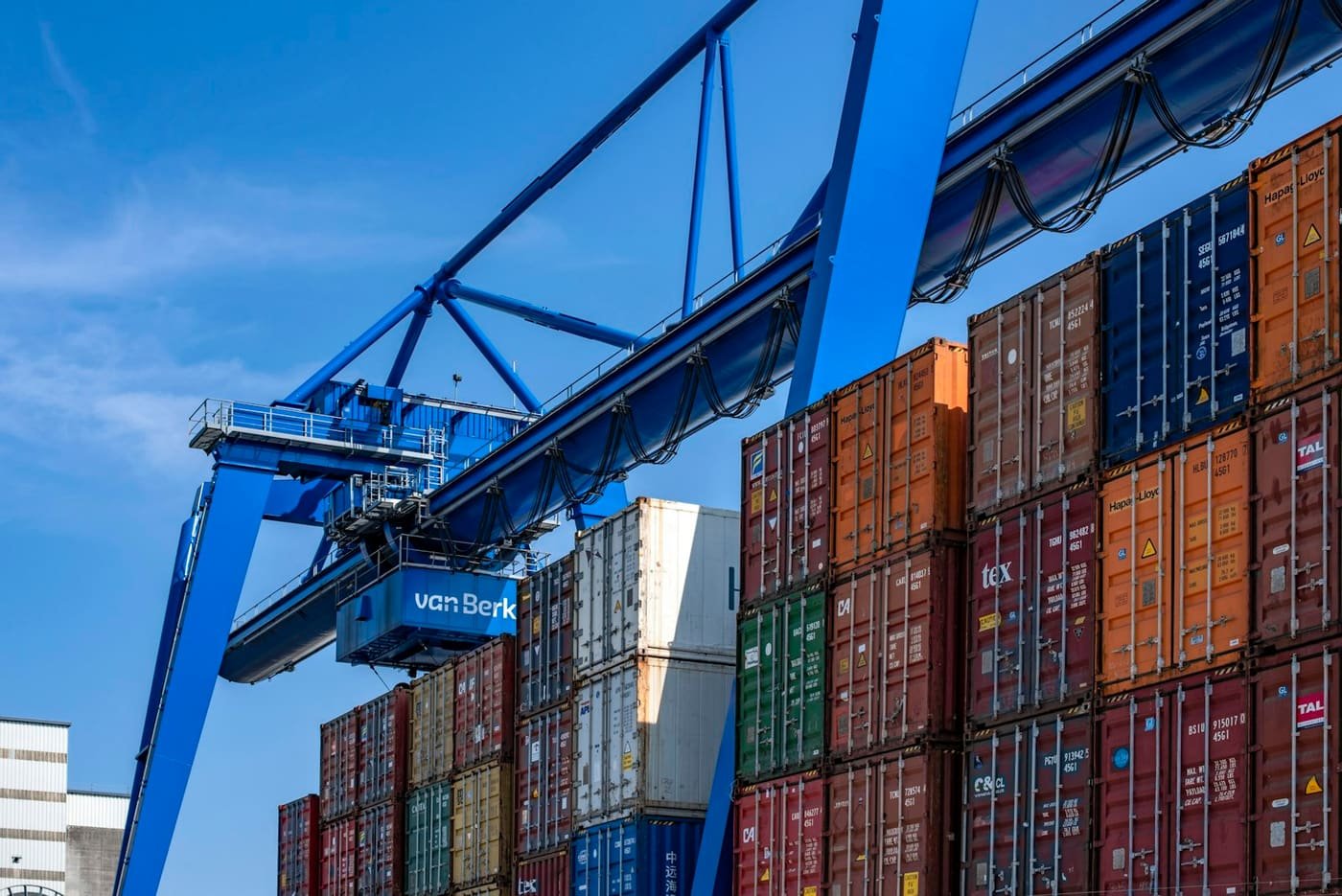
There is no single threshold. Cargo becomes project cargo when its size, weight, value or number of pieces needs special planning. The Port of Rotterdam describes breakbulk, also called general cargo, as including cargo that does not fit into containers, and lists heavy lift and project cargo among the types it handles. The preamble of the IMO/ILO/UNECE CTU Code adds that heavy, bulky items which were traditionally loaded directly into ships' holds, such as stone, steel, wastes and project cargoes, are now also carried in cargo transport units. So a project can mix breakbulk pieces with containerised ones, and the plan has to cover both.
Phase 1: Scope and Data
Start with a cargo register: every piece, with its packed weight, dimensions, centre of gravity, lifting points, value, origin, the date the site needs it and any special handling. Add the site facts: location, access, lifting equipment and the receiving sequence. The CTU Code makes the consignor responsible for describing the goods correctly, including the mass, and for telling the packer about unusual parameters such as an offset centre of gravity, so the register depends on information from the manufacturers. Do not move to the next phase until the data are complete.
Phase 2: Route and Mode Options
For each piece, decide which unit it needs. A Maersk equipment specification sheet gives the internal dimensions, door openings and payloads of standard dry containers, for example a 20 ft standard container with a payload of 28,200 kg and a door opening 2,274 mm high. Pieces that exceed these go to open top, flat rack or breakbulk. Then compare routes: load port, discharge port, the inland leg and the alternatives if a link fails. Ask for a route survey for any move near the limits.
Phase 3: Equipment, Packing and Securing
Prepare a packing and securing plan for every heavy or awkward piece. The CTU Code's key requirements include selecting the most suitable unit, preparing a packing plan, choosing securing methods suited to the cargo, the mode and the unit, staying within payload limits, distributing heavy cargo over the floor, locating the centre of gravity correctly and using blocking or lashing, or both, to prevent sliding and tipping. Agree the lifting method and the equipment at each port, and have the lifting diagrams travel with the documents. If any packaging is raw wood, ISPM 15 requires approved treatment and a mark.
Phase 4: Permits, Customs and Money
- Permits. Identify any permission needed for oversize or overweight moves on the road or rail, and the lead time for each.
- Customs. Imports of plant and machinery for a project may fall under a special tariff heading. CBIC's guidance note on GST refers to the project import scheme under heading 9801 and says that, in the GST regime, imports under it are classified under that heading. Ask your broker whether your project qualifies and what the scheme requires before clearance, because it has conditions that are best met early.
- Standards. Machines and electrical equipment may fall under the Omnibus Technical Regulation, which a PIB release says applies from 1 September 2026 to the equipment listed in its first Schedule.
- Money. The Reserve Bank's Master Direction on Import of Goods and Services expects physical import within three years of an advance remittance for capital goods, and the date of the last milestone payment is the reference. Plan payments and documents so that you can show evidence of import.
Phase 5: Execution
Run the project from a single control document. Track every piece against its milestones: ready at the factory, inspected, packed, loaded, shipped, discharged, cleared, moved and received at the site. Hold a short, regular review with the forwarder, the broker, the carriers and the site team. Record changes in writing, and have a named person who can decide when something slips.
Phase 6: Closeout
When the last piece is received, reconcile the cargo register with what arrived. Record damage and claims, collect the customs and installation records that any scheme may require and hold a review: what was planned, what happened, what it cost and what to do differently. Under Article 31 of the Montreal Convention, a complaint about damage to air cargo must be made within fourteen days of receipt and about delay within twenty-one days, so claims on any air-freighted pieces need quick action.
Who Decides What
| Question | Decided by |
|---|---|
| The cargo register and packed data | The manufacturer and your project team |
| Mode, route and unit | Your forwarder or project specialist, with your approval |
| Lifting and securing plans | A specialist, checked against the CTU Code |
| Customs treatment and filing | Your licensed customs broker, with your authority |
| Payments and bank rules | Your finance team and your bank |
| Site readiness and receiving | The site team |
Write down the owner of each decision at the start of the project.
Keep Everyone Informed
Agree a reporting rhythm at the start. A one-page status sheet, issued on the same day each week, should show every piece against its milestones in a simple traffic-light scheme, the open decisions with an owner and a date and the changes since the last sheet. Agree an escalation path in advance, so that a slipped permit or a held entry reaches the person who can decide on the same day and not at the next meeting.
Insure the Whole Chain
A project moves through many hands, so check that the cargo insurance covers the full value from the factory gate to the site, including loading, discharge, storage on the way and the inland leg. Ask what the policy excludes, how a claim must be made and which deadlines apply, and keep the photographs and condition records from the packing and execution phases ready as evidence.
A Risk Register for Project Cargo
| Risk | Early warning | Response |
|---|---|---|
| Data wrong or late | Missing weights or dimensions | Hold the booking until verified |
| A piece does not fit the unit | A margin of a few millimetres | Change the unit or the packing |
| Port cannot handle the lift | No confirmation from the terminal | Change the port or the method |
| Permit delay | No response by the planned date | Escalate and re-plan the schedule |
| Customs query | Documents do not match | Correct before filing |
| Damage in transit | Weather or handling reports | Inspect, photograph and claim at once |
| Site not ready | Foundations or access late | Hold the cargo at the port or a yard, and re-sequence |
A Made-Up Project Schedule
The table shows the order of milestones for a project with three heavy pieces and forty containers of smaller items. The weeks are made up.
| Milestone | Week |
|---|---|
| Cargo register complete and verified | 1 |
| Route and unit choices agreed | 3 |
| Packing and securing plans approved | 5 |
| Permits applied for | 5 |
| Bookings confirmed | 7 |
| Heavy pieces loaded at origin | 12 |
| Customs entries filed in advance | 13 |
| Arrival and clearance of the first vessel | 18 |
| Delivery to site and installation start | 22 |
Common Mistakes
- Starting bookings before the cargo register is complete.
- Planning the sea leg and forgetting the inland leg.
- Assuming port equipment can lift the piece.
- Leaving permits until late.
- Treating customs treatment as a filing detail and not as a planning decision.
- Having no single control document.
- Skipping the closeout review.
A Project Cargo Checklist
- The cargo register is complete and verified.
- Route, unit and lifting plan exist for every heavy piece.
- Packing and securing follow the CTU Code principles.
- Permits, customs treatment and standards are checked early.
- Payments and evidence of import are planned.
- A control document and review rhythm are in place.
- A closeout review is scheduled.
Plan Project Cargo With RR Brothers and Logistics
RR Brothers and Logistics plans project cargo and heavy lift moves from China, with sea freight and customs clearance in India. Send us your cargo list and we will help you build the register and the plan.
Frequently Asked Questions
Cargo whose size, weight, value or number of pieces needs special planning, for example as part of building a plant or a line. It can include breakbulk pieces and containerised items.
For every piece: packed weight, dimensions, centre of gravity, lifting points, value, origin, the date the site needs it and any special handling.
Compare the packed dimensions and weight with the container specification, including door openings and payload. Pieces that exceed them go to open top, flat rack or breakbulk.
CBIC's GST guidance note refers to a project import scheme under tariff heading 9801. The scheme has conditions, so ask your broker early whether your project qualifies.
The Master Direction expects physical import within three years of the advance remittance for capital goods, with the date of the last milestone payment as the reference, and evidence of import to the bank.
To reconcile the cargo register with what arrived, deal with claims and capture lessons while the facts are fresh.
Sources
- IMO/ILO/UNECE: Code of Practice for Packing of Cargo Transport Units (CTU Code)
- Port of Rotterdam: Breakbulk
- Maersk: Dry container equipment specifications
- IPPC/FAO: ISPM 15, Regulation of wood packaging material in international trade (2018)
- CBIC: Guidance note for importers and exporters on GST
- PIB: Machinery and Electrical Equipment Safety (Omnibus Technical Regulation) Amendment Order, 2025 (19 August 2025)
- Reserve Bank of India: Master Direction, Import of Goods and Services (updated 12 January 2026)
- Convention for the Unification of Certain Rules for International Carriage by Air (Montreal Convention 1999), full text
This article is general information, not legal, tax or customs advice. Rules, rates and procedures change; confirm current requirements with the relevant authority or a licensed customs professional before you ship. Regulatory references were checked against the official sources listed above on 26 October 2026.
Image credits: header photo by Lucas van Oort on Unsplash. Used under the Unsplash License.
Request a Quote