A Different Starting Point for the Supply Chain
Traditional produce logistics starts with a fundamental geographic constraint: crops grow where soil, climate and water allow, which is rarely the same place as the dense urban population that eventually eats them. That mismatch is what built the long-haul agricultural supply chain as we know it today — refrigerated trucks and reefer containers moving produce hundreds or thousands of kilometers from growing region to distribution center to retail shelf, with cold chain integrity the single biggest determinant of how much of that produce arrives in sellable condition. Vertical farming challenges that starting assumption for a specific slice of the produce category by growing crops in stacked, climate-controlled indoor systems sited inside or near the cities that consume them, which fundamentally changes the distribution math for the crops it covers.
This is ultimately a story about transportation logistics as much as it is about agricultural technology. The growing method itself — LED lighting, hydroponic or aeroponic nutrient delivery, stacked racking — gets most of the public attention, but the more consequential shift for supply chain planners is what happens after harvest: how far the product has to travel, how many hand-offs it passes through, and how much of the traditional distribution infrastructure built for field-grown produce becomes unnecessary once the farm itself sits inside the delivery radius of its own customers.
Why This Only Works for a Narrow Set of Crops
It's worth being precise about scope here, because vertical farming is sometimes discussed as though it will reshape produce logistics broadly — it won't, at least not with current technology and economics. The crops that make commercial sense for vertical farming share specific traits: they are compact enough to stack in vertical growing systems, fast-growing enough to turn over multiple harvest cycles per year, high enough in value per kilogram to justify the cost of artificial lighting and climate control, and perishable enough that shortening the supply chain delivers a real, visible quality benefit. Leafy greens — lettuce, spinach, kale, arugula — and culinary herbs like basil and cilantro fit all four criteria well. Root vegetables, grains, most fruit and bulk commodity crops do not, since their economics favor open-field growing at scale and conventional long-haul distribution, which remains far cheaper per unit of actual food energy produced.
How the Distribution Model Actually Changes
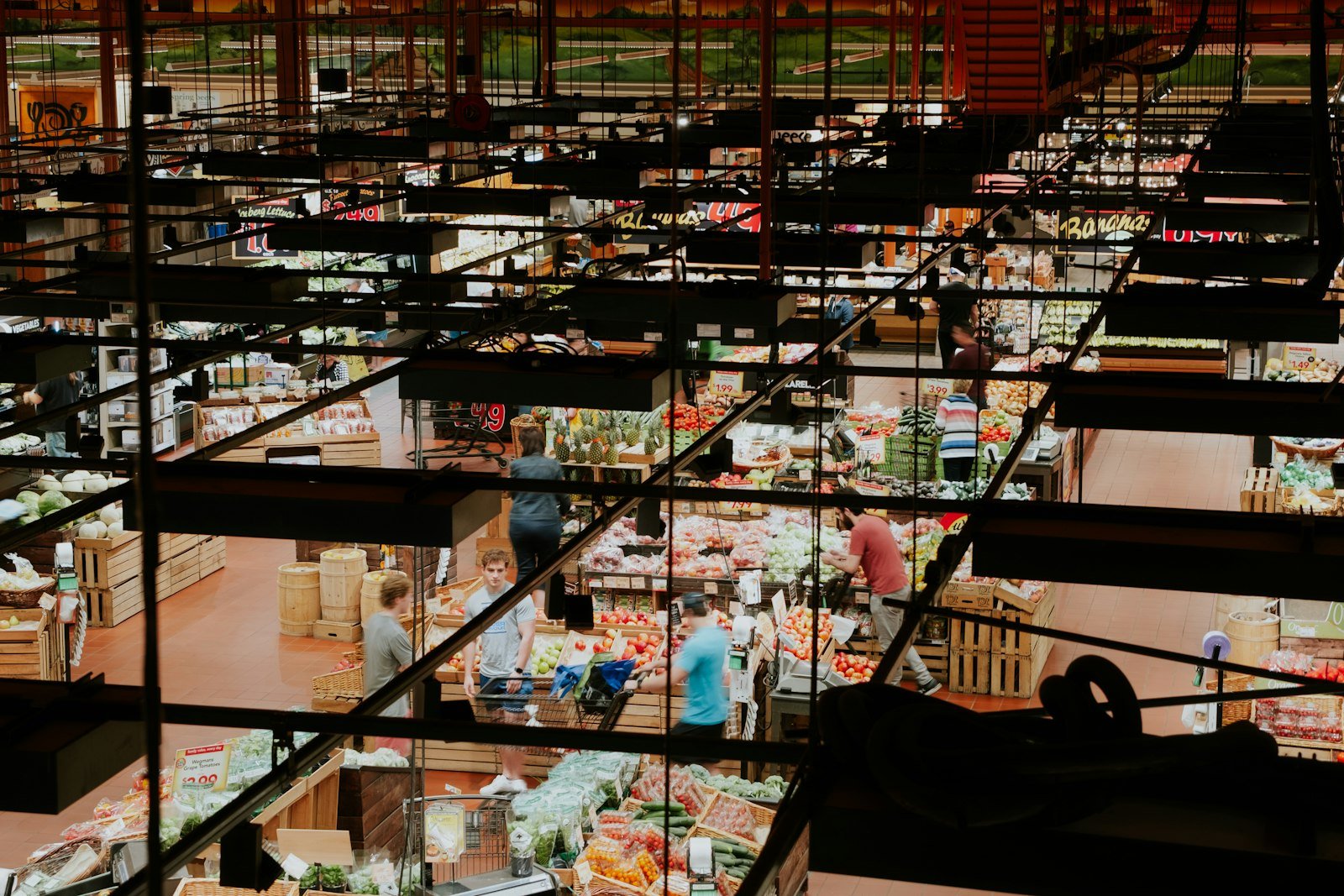
For the crops that do fit, the distribution model shifts from a hub-and-spoke long-haul pattern to something closer to direct local delivery. A vertical farm sited at the edge of a city, or even inside a converted warehouse within city limits, can harvest in the morning and have product on a nearby retailer's shelf or in a last-mile delivery vehicle within hours rather than days. This compresses nearly the entire traditional transportation logistics chain for that product — the regional distribution center stop, the line-haul trucking leg, much of the cold chain duration — into a single short local hop. Distributors serving this model generally shift from planning a handful of large weekly shipments arriving from distant growing regions to running smaller, more frequent local delivery routes that more closely resemble last-mile e-commerce delivery patterns than traditional agricultural freight.
Comparing the Two Supply Chain Models
| Factor | Traditional Field-to-Retail Model | Vertical Farm-to-Retail Model |
|---|---|---|
| Typical distance to retailer | Hundreds to thousands of kilometers | A few kilometers to a few dozen |
| Harvest-to-shelf time | Days | Hours |
| Typical shipment size | Large, infrequent | Small, frequent |
| Cold chain duration | Extended, multi-stage | Short, often single-stage |
Why Land-Scarce and Import-Dependent Markets Have Moved First
Adoption of vertical farming has not been evenly distributed globally, and the pattern tells its own story about the economics involved. Markets with limited arable land, high population density, and heavy reliance on imported produce — Singapore, Japan, and Gulf states such as the UAE among them — have been among the most active adopters and public supporters of vertical farming as part of broader food security strategy, since these markets face the steepest version of the distance problem vertical farming is designed to solve. Singapore in particular has treated local vertical farming output as a meaningful contributor to national food security targets, given how much of its fresh produce has historically arrived via sea and air freight from other countries. This pattern reinforces the earlier point: vertical farming makes the most economic and strategic sense precisely where the traditional alternative — importing fresh produce over long distances — is most expensive or most exposed to supply disruption, rather than being a universally superior model independent of local geography.
What This Means for Distribution Centers and Micro-Fulfillment
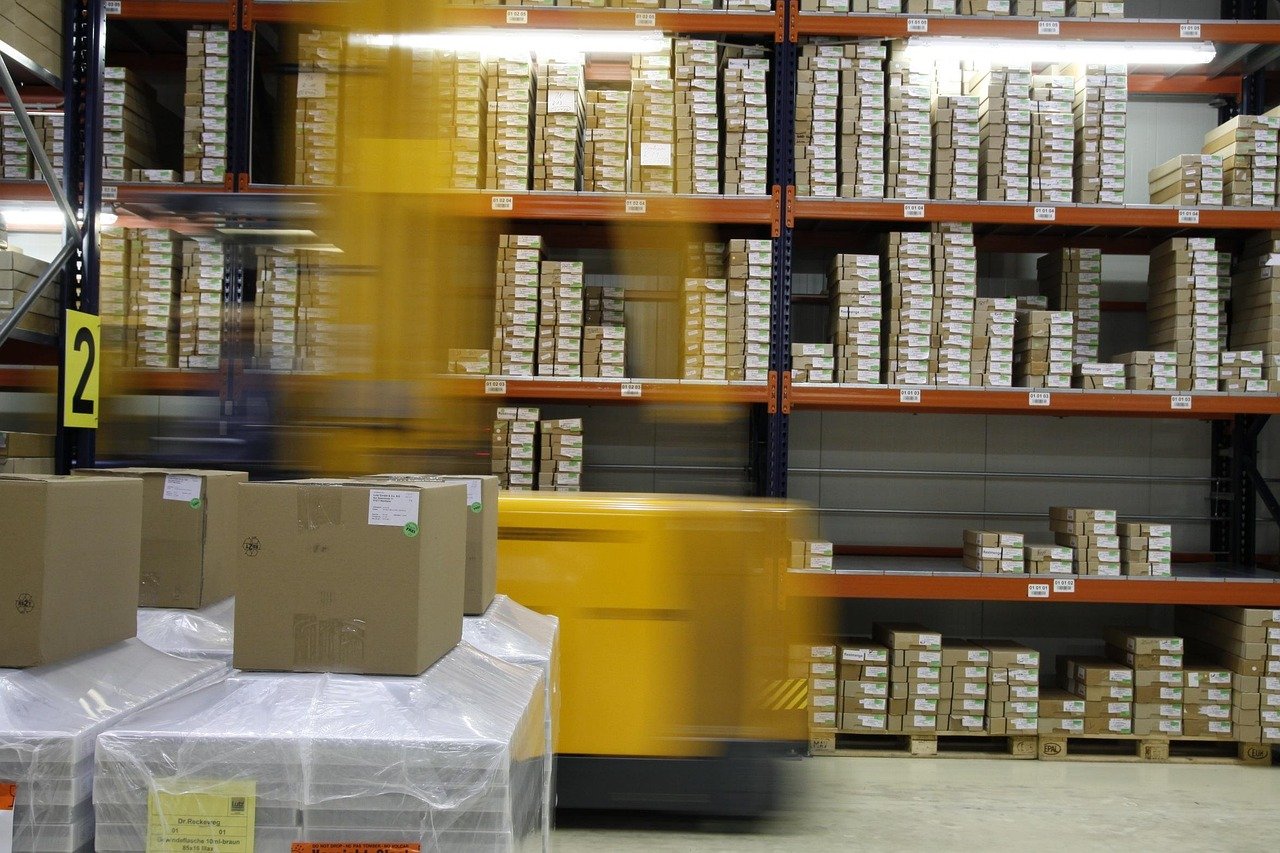
Because vertical farms tend to be sited close to the populations they serve rather than close to arable land, their output integrates naturally with the broader shift toward smaller, urban-adjacent distribution infrastructure that we've covered in our pieces on micro-fulfillment centers reshaping grocery delivery and dark stores as quick-commerce infrastructure. A vertical farm can function almost like a hyper-local supply node feeding directly into these smaller facilities, rather than requiring the same regional distribution center infrastructure that bulk produce relies on. This is part of a broader pattern in grocery and fresh food logistics: shrinking the physical distance between supply and demand reduces dependency on the large, centralized distribution infrastructure that long supply chains have traditionally required.
The Energy and Real Estate Economics Behind the Model
None of the distribution benefits vertical farming offers come free — they're funded by a cost structure very different from open-field agriculture. Replacing sunlight with full-spectrum LED lighting and natural climate with mechanical heating, cooling and humidity control is energy-intensive, and urban or near-urban real estate costs far more per square meter than farmland. The UN Food and Agriculture Organization has tracked the growing role of urban and peri-urban agriculture in city food systems, noting that proximity to demand has to offset meaningfully higher production costs for a given model to be commercially viable. That's precisely why vertical farming operators have concentrated on crops that can carry a retail price premium justified by freshness and shelf-life quality, rather than attempting to compete on price with conventionally grown bulk produce. Distribution savings — less spoilage, shorter cold chain, lower transport cost per unit — partially offset the higher growing cost, but they rarely offset it completely, which is why this model remains a premium, crop-specific niche rather than a wholesale replacement for conventional agricultural logistics.
Where Cold Chain Logistics Still Matters
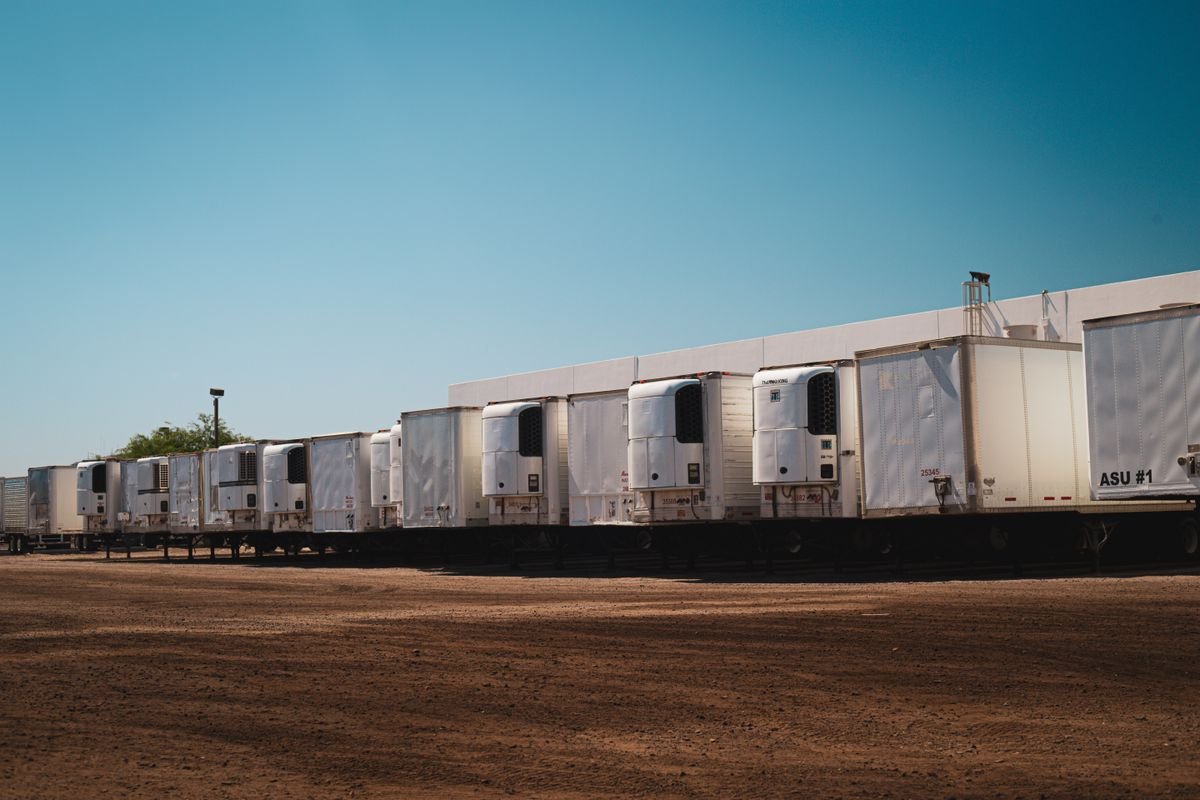
It's a common misconception that vertical farming eliminates the need for cold chain handling entirely — it doesn't. Leafy greens remain highly perishable regardless of how far they travel, and proper temperature control from harvest through final delivery still meaningfully extends shelf life and preserves quality. What changes is the duration and complexity of that cold chain, not its necessity. Our broader guide to cold chain and reefer shipping for perishables covers the fundamentals that still apply here, just compressed into a shorter, simpler local logistics chain rather than a multi-day international one. A vertical farm operator moving product a few kilometers to a retail partner still needs reliable refrigerated transport for that short hop — the stakes of a cold chain failure are lower in absolute spoilage risk given the shorter exposure window, but the fundamentals of temperature-controlled handling don't disappear.
The Realistic Scale of the Shift
Put together, these factors point to a measured, crop-specific transformation rather than a wholesale rewrite of food distribution. The following points summarize where vertical farming's distribution impact is real, and where expectations should stay grounded:
- It's additive, not a replacement. Vertical farming output supplements, rather than replaces, conventional field-grown supply for the crop categories it covers — most cities' leafy green supply still comes predominantly from traditional agriculture today.
- It concentrates near dense urban demand. The economics work best in cities with high population density and strong willingness to pay a premium for freshness, which has shaped where vertical farm operators have actually built facilities.
- It favors operators with flexible local delivery capability. Distributors and retailers that can run frequent small-batch delivery routes are better positioned to capture the freshness advantage vertical farming offers than those built purely around large, infrequent shipments.
- It reduces, but doesn't remove, exposure to long-haul disruption. A retailer sourcing some of its leafy greens locally through vertical farming reduces its exposure to long-haul transportation disruptions for that specific category, even while remaining fully exposed for everything else it sources conventionally.
How RR Brothers and Logistics Can Help
While vertical farming reshapes hyper-local distribution for a specific set of crops, the large majority of fresh and packaged food still moves through conventional international and domestic transportation logistics networks — and that's where RR Brothers and Logistics focuses its services. Our warehousing and distribution capabilities support clients managing time-sensitive, temperature-aware cargo at scale, whether that's sourcing ingredients and packaging materials for food businesses or managing broader supply chains that increasingly need to coordinate between conventional long-haul and newer hyper-local delivery models. This includes equipment and components for vertical farm operators themselves — growing racks, climate-control hardware and lighting systems frequently manufactured in China and shipped internationally to markets building out their own local production capacity.
Frequently Asked Questions
Vertical farming's distribution impact is concentrated in a narrow set of crops — mainly leafy greens such as lettuce, spinach, kale and herbs like basil — that are compact, fast-growing, high in value relative to weight, and highly perishable. It has not meaningfully changed distribution for bulk staples like grains, root vegetables or most fruit.
No. It shortens the cold chain dramatically rather than eliminating it. Produce still typically needs refrigerated handling from harvest through retail, but the duration of that cold chain exposure shrinks from days to hours when the farm sits within or near the city it serves.
The economics of vertical farming — artificial lighting, climate control and real estate costs — only make sense for a limited set of high-value, fast-turnover crops. Most calorie-dense staple crops remain far cheaper to grow in open fields and move through traditional long-haul agricultural logistics networks.
Instead of a few large shipments arriving from distant growing regions on a weekly or biweekly schedule, distributors serving vertical farm output typically plan for smaller, more frequent local delivery runs, since produce is harvested closer to shelf-ready freshness windows and distributed across shorter distances.