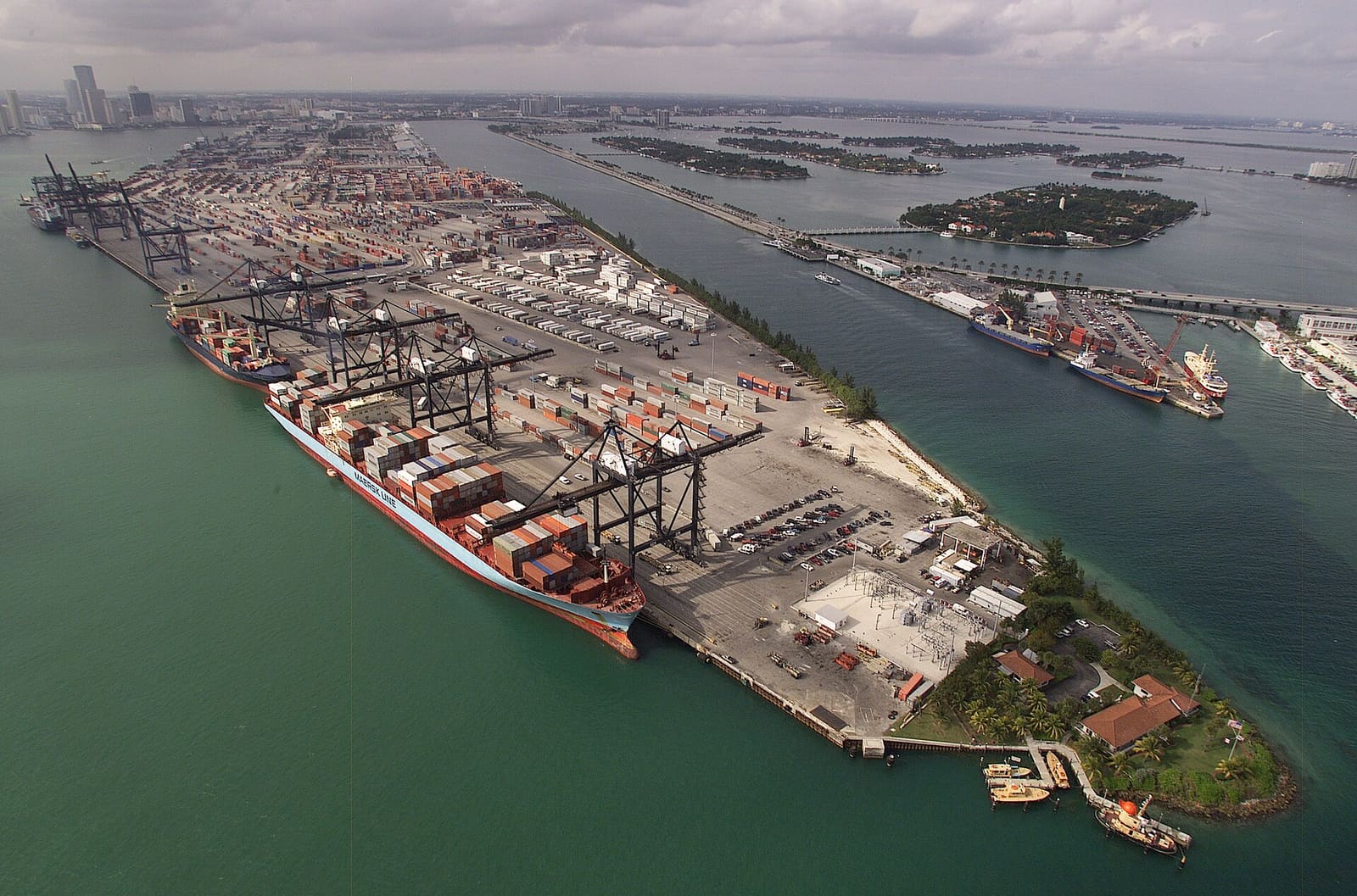
An Infrastructure Corridor Connecting China's West to the Arabian Sea
The China-Pakistan Economic Corridor, generally abbreviated CPEC, is a large-scale infrastructure and connectivity program launched in 2015 that links China's western Xinjiang region to Pakistan's Arabian Sea coast through a network of roads, rail links, energy projects and port development. From a pure logistics standpoint — setting aside the broader economic and diplomatic dimensions that surround any bilateral infrastructure initiative of this scale — CPEC represents an attempt to create a shorter overland route between western China and maritime trade lanes than the existing path through China's own eastern seaboard ports allows. This piece focuses specifically on the trade logistics and infrastructure elements of the corridor: what has been built, how cargo can move along it, and what that means in practical terms for regional trade patterns.
Gwadar Port's Role in the Corridor
Gwadar, on Pakistan's southwestern Balochistan coast near the mouth of the Persian Gulf, is the maritime anchor of the CPEC concept. Its geographic position is genuinely notable: Gwadar sits close to the Strait of Hormuz, one of the world's most important oil transit chokepoints, and offers a natural deep-water harbour that has been developed with Chinese investment and involvement in port operations — general background on international shipping lane significance and chokepoint infrastructure is published by the International Maritime Organization. The underlying logistics logic is that cargo moving between western China and the broader Middle East, Africa or Europe could, in principle, travel overland through Pakistan to Gwadar rather than the considerably longer sea route around the Malacca Strait and across the Indian Ocean via China's eastern ports. In practice, Gwadar's throughput and the overland road and rail connectivity linking it to China's interior remain works in progress relative to the scale of trade moving through China's established eastern seaboard ports, and shippers should view Gwadar's current role as a developing regional gateway rather than yet a mature alternative to major container hubs in the region.
The Overland Route Through Pakistan
The core physical infrastructure of CPEC connects Kashgar in China's Xinjiang region to Gwadar via the Karakoram Highway and a network of upgraded roads running the length of Pakistan, passing through or near major Pakistani cities including Islamabad, Multan and Karachi depending on the specific alignment used. Energy infrastructure, including power plants and pipeline projects, forms a significant share of the broader CPEC investment alongside the transport corridor itself, reflecting Pakistan's need for expanded and more reliable power generation capacity as much as pure trade connectivity. For general cargo and container logistics specifically, the road network is the primary mode currently in operational use, with rail connectivity between the two countries remaining a longer-term component of the overall plan rather than an established freight corridor today.
How CPEC Fits Into Broader Regional Trade Logistics
CPEC is one of several China-led connectivity initiatives extending westward from China's interior, alongside rail and road links through Central Asia that connect toward Europe and the Middle Corridor route discussed in our China to Turkey shipping guide. Each of these overland corridors reflects a similar underlying logic: reducing dependence on any single maritime chokepoint by developing alternative overland paths from China's interior toward Western and South Asian, Middle Eastern and European markets, a trend also discussed in broader regional connectivity research published by UNCTAD. For shippers and forwarders operating across the wider region, understanding how these corridors relate to one another — and to the established sea lanes that still carry the overwhelming majority of China's international trade volume — is more useful than treating any single corridor in isolation. Our broader guide to shipping from China to global ports covers how these various routings compare for planning purposes.
Current Cargo Movement and Trade Composition
| Corridor Element | Current Status | Logistics Relevance |
|---|---|---|
| Gwadar Port | Operational, capacity developing | Regional gateway near the Strait of Hormuz |
| Karakoram Highway & road network | Operational for road freight | Primary current mode for overland cargo |
| Rail connectivity (ML-1 and related projects) | Longer-term development phase | Would materially expand freight capacity if completed |
| Karachi Port & Port Qasim | Established, high-volume | Currently handle the majority of Pakistan's container trade |
It's worth noting that Karachi Port and Port Qasim, Pakistan's established container gateways, continue to handle the large majority of the country's containerised trade volume today, and remain the more relevant call for most conventional sea freight bound for Pakistan regardless of CPEC's longer-term development.
Practical Considerations for Shippers
For most freight forwarders and shippers moving cargo between China and South Asia today, conventional sea freight into Karachi Port or Port Qasim remains the standard and most reliable option, comparable in structure to routings we manage on the broader China to India shipping lanes. CPEC's overland and Gwadar-based elements are worth monitoring as infrastructure continues to develop, particularly for businesses with specific interest in Pakistan's domestic market or in regional connectivity toward the Gulf, but they are not yet a substitute for established container shipping routes for the large majority of general cargo moving in and out of the region.
Special Economic Zones Along the Corridor
Part of the CPEC framework includes the designation of Special Economic Zones at various points along the route, intended to attract manufacturing investment that can take advantage of the corridor's road connectivity and, eventually, its rail links, along with preferential tax treatment for qualifying industrial activity. These zones are positioned in Pakistan's Punjab, Sindh and Khyber Pakhtunkhwa provinces as well as near Gwadar itself, and their development timeline has generally tracked more slowly than the initial framework anticipated, reflecting the broader pattern seen across CPEC's various components — meaningful infrastructure investment alongside a longer-than-originally-projected timeline for full build-out. For logistics planning purposes, businesses considering manufacturing or warehousing investment tied to a specific economic zone should verify its current operational status directly rather than relying on the zone's designation alone as evidence of ready infrastructure.
Comparing CPEC to Other China-Led Connectivity Projects
Viewed alongside China's other westward and southward connectivity initiatives — the Central Asian rail links discussed in our piece on Kazakhstan as a bridge for regional trade, which eventually connect toward the Middle Corridor and Turkey, and various port investments across South and Southeast Asia — CPEC fits a recognisable pattern of infrastructure-led connectivity projects that combine genuine strategic logistics value with long development timelines and uneven pacing across different components. None of these projects has fully displaced conventional container shipping as the backbone of China's international trade, and CPEC is no exception; its most immediate, tangible impact to date has been on Pakistan's domestic energy and road infrastructure rather than on international container freight volumes moving through the corridor specifically.
What Shippers Should Watch Going Forward
The most useful indicators for tracking CPEC's practical logistics relevance are relatively concrete and worth monitoring over time: Gwadar's actual annual throughput figures as reported by Pakistani port authorities, progress on the ML-1 railway upgrade linking Karachi to the north of the country, and the operational status of the Special Economic Zones as they move from designation to active industrial use. None of these move quickly, and shippers evaluating whether the corridor has become relevant to their own supply chain should look for sustained, multi-year trends in these indicators rather than treating any single announcement or investment milestone as evidence that the corridor has fundamentally changed the region's logistics landscape.
Two Practical Takeaways for Shippers
- Treat Gwadar as a developing regional gateway, not a mature alternative to established ports. For most container cargo, Karachi Port and Port Qasim remain the more reliable and higher-capacity choice today.
- Watch rail connectivity developments closely. Completed rail links would meaningfully change the corridor's freight capacity and cost structure compared with the current road-based overland option.
RR Brothers and Logistics tracks infrastructure developments across the wider China-South Asia region, including CPEC, as part of understanding how emerging routes may complement the established sea freight lanes we operate today. For shipments into Pakistan or the broader region, our team can advise on the most reliable current routing based on your cargo type, timeline and destination.
Frequently Asked Questions
Gwadar is the maritime anchor of CPEC, positioned close to the Strait of Hormuz with a natural deep-water harbour. It is intended as an alternative maritime gateway for cargo moving overland from western China, though its capacity and connecting infrastructure are still developing relative to established regional ports.
CPEC is one of several overland corridors extending from China's interior toward South Asia, the Middle East and beyond, aiming to reduce reliance on any single maritime route. It currently operates mainly as a road-based freight corridor, with rail connectivity remaining a longer-term development goal.
General road freight moves along the Karakoram Highway and connecting road network, while the large majority of Pakistan's containerised trade volume still moves through the established ports of Karachi and Port Qasim rather than via the CPEC overland route.
Not yet for most general cargo. Conventional sea freight into Karachi Port or Port Qasim remains the standard, higher-capacity option today, with CPEC's overland and Gwadar-based elements better understood as infrastructure still in development rather than a mature substitute route.