A Country Defined by a Canal
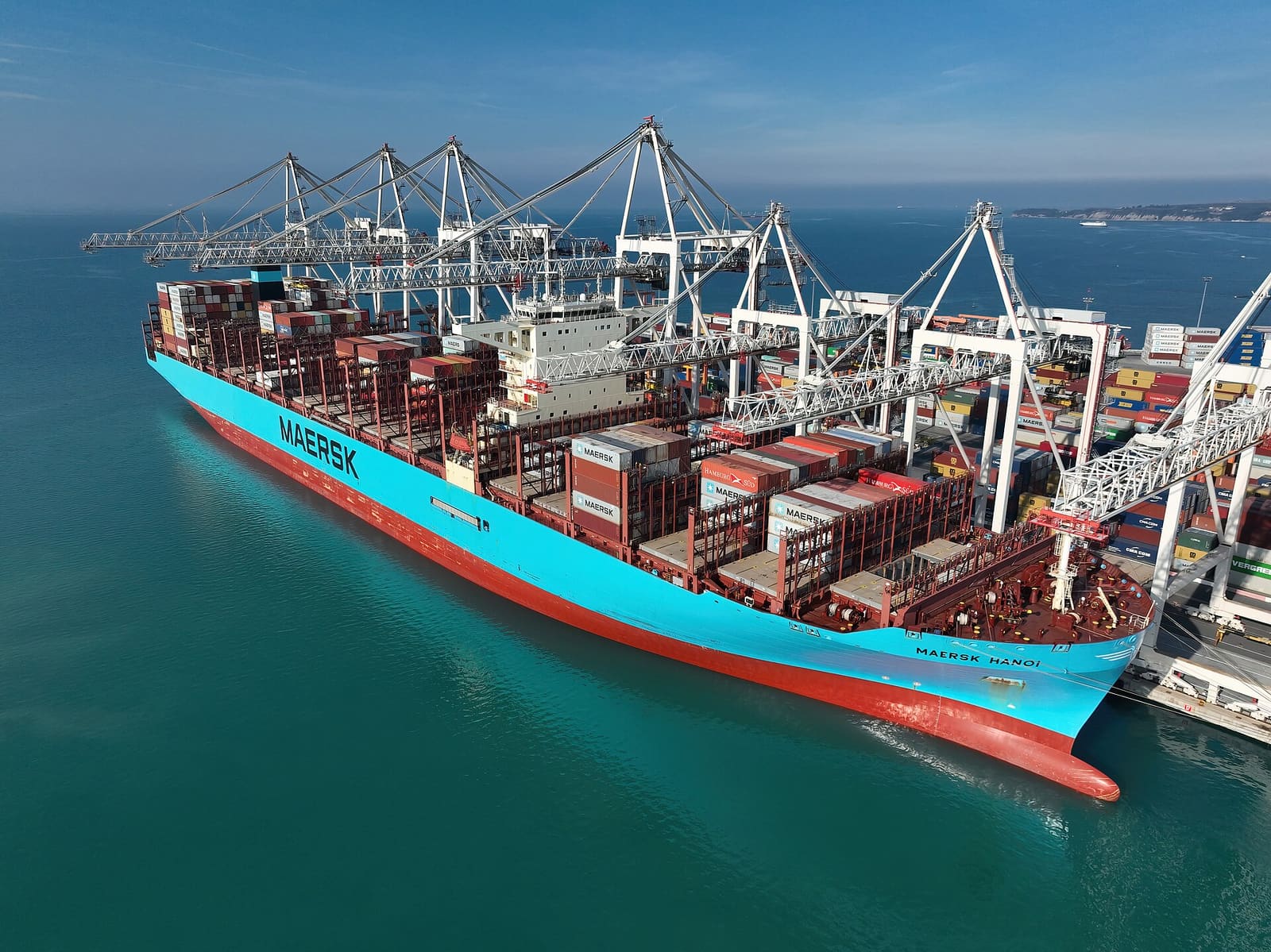
No country's trade geography is shaped by a single piece of infrastructure quite the way Egypt's is by the Suez Canal. Roughly 60 kilometres east of Cairo, the canal connects the Mediterranean to the Red Sea and, in doing so, makes Egypt one of the handful of countries whose ports sit directly on the shortest sea route between Asia and Europe. For a China Egypt shipping lane, that geography cuts two ways: Egypt is simultaneously an import destination in its own right, a re-export base for onward distribution into Africa and the Middle East, and one of the countries most exposed to disruption on the Suez route itself. Understanding all three roles matters more here than on almost any other lane RR Brothers and Logistics manages.
Alexandria: Egypt's Primary Import Gateway
Alexandria, on the Mediterranean coast, together with the adjacent port of El Dekheila, handles the majority of Egypt's containerised import volume and is the default discharge point for China-origin cargo destined for Cairo, the Nile Delta, and Egypt's main population centres. It is a well-established, high-frequency port with strong sailing connections from major Asian origin ports, and for most standard consumer and industrial cargo bound for the Egyptian market, Alexandria remains the practical first choice.
Suez Canal Zone Ports: A Different Kind of Gateway
On the canal itself, Port Said (at the Mediterranean entrance) and the Suez Canal Economic Zone around Ain Sokhna and Port Said East serve a different function: they are as much about transshipment, light manufacturing and re-export as they are about serving Egyptian domestic demand. Businesses using Egypt as a base for onward distribution into East Africa, the Gulf or the eastern Mediterranean sometimes route cargo through these zone ports specifically to take advantage of the free-zone status and proximity to the canal, rather than defaulting to Alexandria. Choosing between Alexandria and a Suez Canal zone port is really a choice about whether the cargo's final destination is inside Egypt or beyond it.
Why the Suez Canal Still Matters for Routing Decisions
Since late 2023, disruption in the Red Sea has pushed the majority of major carriers to route Asia-Europe and Asia-Mediterranean container strings around the Cape of Good Hope rather than through the Suez Canal, a shift we've covered in depth in our Red Sea crisis and shipping reroutes guide. No country feels this more directly than Egypt: canal transit revenue and vessel traffic both fell sharply during the period when carriers avoided the route, and as our 2027 outlook on Red Sea diversions discusses, the return to full pre-crisis Suez volumes remains uncertain rather than a foregone conclusion. For shippers, the practical takeaway is the same one that applies across the wider region: confirm your carrier's actual current routing before quoting a delivery date to an Egyptian port, rather than assuming the shorter historical Suez transit still applies by default.
Realistic Transit Times: China to Egypt
| Routing | Mode | Approx. Time |
|---|---|---|
| China to Alexandria via Cape of Good Hope | Sea (FCL/LCL) | 35–45 days |
| China to Alexandria via Suez (when running) | Sea (FCL/LCL) | 22–28 days |
| China to Cairo (via Alexandria or Cairo Airport) | Air freight | 3–6 days |
Egyptian Customs Documentation
Egypt operates its import clearance process through the Nafeza national single-window platform, which requires an Advance Cargo Information (ACI) filing — generating what's commonly known as an ACID number — before cargo departs its origin port, in addition to the standard commercial invoice, packing list, bill of lading and certificate of origin required at destination. This advance-filing requirement is a meaningful departure from a more traditional at-arrival customs process, and missing or late ACI submission is one of the more common causes of delay for shippers unfamiliar with the Egyptian market. As with most destinations, accurate HS classification submitted early, in line with the standards maintained by the World Customs Organization, avoids the compounding delay of a reclassification dispute once cargo has already arrived.
FCL, LCL and Air Freight Options
FCL remains standard for established Egyptian importers and re-export businesses moving regular volumes through either Alexandria or the Suez Canal zone ports. LCL consolidation into Alexandria is reasonably well developed given Cairo's large consumer market, and is a practical entry point for smaller or first-time Egyptian importers, a topic covered more generally in our LCL versus FCL comparison for China shipments. Air freight into Cairo is worth considering for time-critical or high-value cargo — pharmaceuticals, electronics components, fashion samples — particularly during periods when Red Sea disruption has stretched sea transit well beyond its pre-2024 norm.
Egypt Compared With Other Mediterranean and Southern-Routed Lanes
Egypt is frequently weighed against Turkey as an alternative Mediterranean and re-export base, particularly by businesses evaluating where to establish a light-assembly or distribution hub for Middle East and North Africa markets — a comparison covered from the Turkish side in our China to Turkey shipping guide. It is also worth considering alongside destinations further down the Cape of Good Hope route: because Red Sea disruption has pushed traffic away from Suez and around Africa's southern tip, South Africa's Durban port, covered in our China to South Africa shipping guide, has in some respects become a more central call on the very routing that now bypasses Egypt. Reviewing trade flow data from UNCTAD alongside canal traffic trends is a useful way to track how this balance is shifting over time.
Two Practical Tips for the China-Egypt Lane
- File your ACI/ACID declaration early and correctly. Egypt's advance cargo information requirement means documentation errors surface before the vessel even arrives — treat it as a pre-departure task, not a destination-side formality.
- Choose the port based on the cargo's final destination, not habit. Alexandria suits Cairo and domestic Egyptian demand; a Suez Canal zone port often makes more sense for re-export or onward regional distribution.
RR Brothers and Logistics books China-Egypt freight through both Alexandria and the Suez Canal zone depending on where a shipment is ultimately headed, managing Nafeza-compliant documentation from our Guangzhou base and tracking current Suez versus Cape of Good Hope routing so clients receive a transit estimate that reflects real conditions rather than a pre-2024 assumption.
Frequently Asked Questions
Egypt controls the Suez Canal, the shortest sea route between Asia and Europe, and its ports serve simultaneously as an import destination, a re-export base for Africa and the Middle East, and a key waypoint on the wider Asia-Mediterranean trade lane.
Egypt requires an Advance Cargo Information (ACI/ACID) filing before departure through its Nafeza single-window platform, in addition to a standard commercial invoice, packing list, bill of lading and certificate of origin at destination.
Most carriers currently route around the Cape of Good Hope rather than through the Suez Canal due to Red Sea disruption, which can add one to two weeks compared with a direct Suez transit whenever that shorter routing is running.
Alexandria is the right choice for cargo destined for Cairo and the Egyptian domestic market. A Suez Canal zone port such as Ain Sokhna or Port Said East is generally better suited to re-export or onward distribution into the Middle East and East Africa.