A Narrower, More Practical Kind of Digital Twin
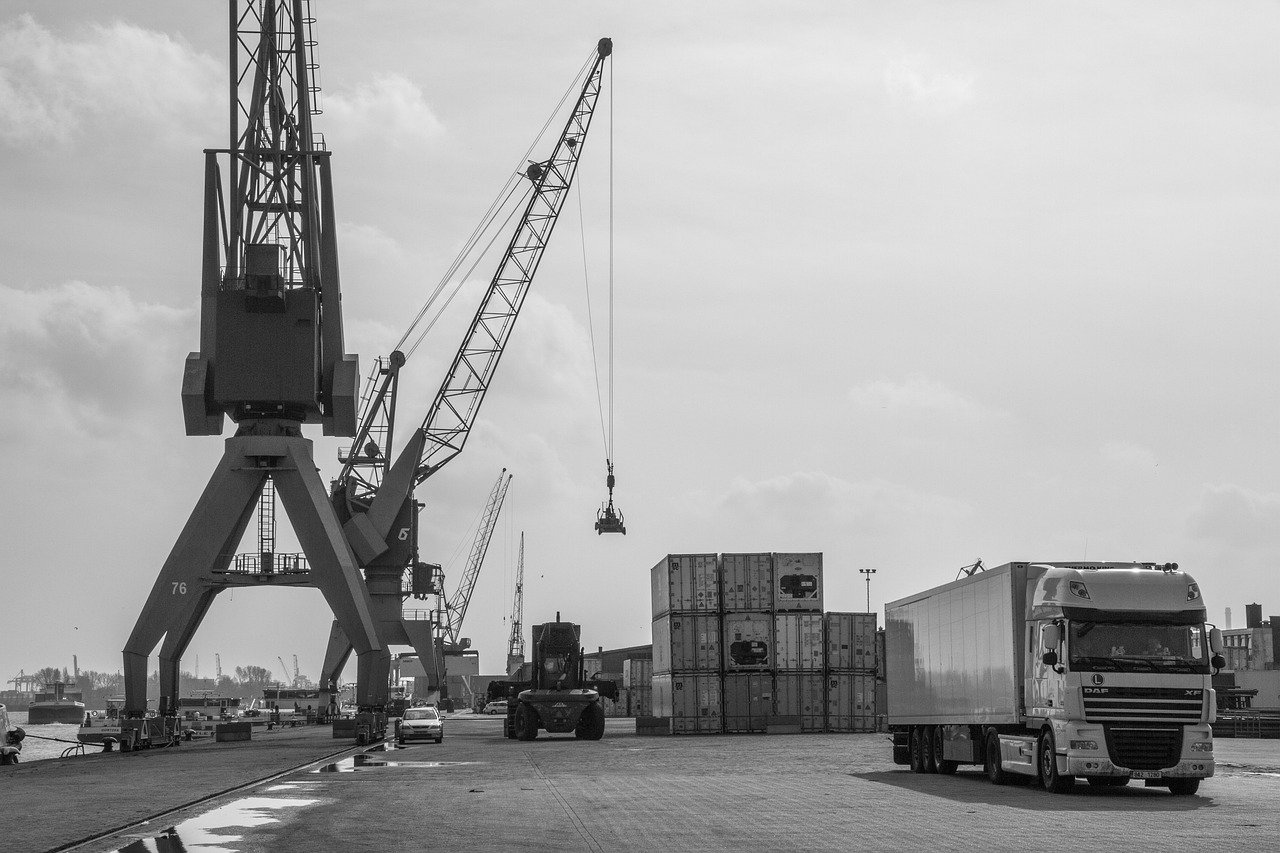
"Digital twin" has become a broad enough term in transportation logistics that it's worth being specific about which kind this article covers. Our earlier guide to digital twins for supply chain and transportation logistics looked at network-level modeling — simulating how disruptions, demand shifts, or routing changes ripple across an entire multi-facility supply chain. Our piece on digital twins for port and terminal operations covered a different, equally specific application — modeling vessel berthing, yard congestion, and crane scheduling at a single port terminal. This article is about something narrower still: using a digital twin to model the physical interior of a single warehouse building — where racking sits, how wide the aisles are, which SKUs are slotted where, and how a picker or forklift actually moves through the space to complete an order. It's a much smaller-scale application than a network or port twin, but for a warehouse operator planning a layout change, it's often the one with the most direct, measurable payoff.
What a Warehouse Layout Digital Twin Actually Models
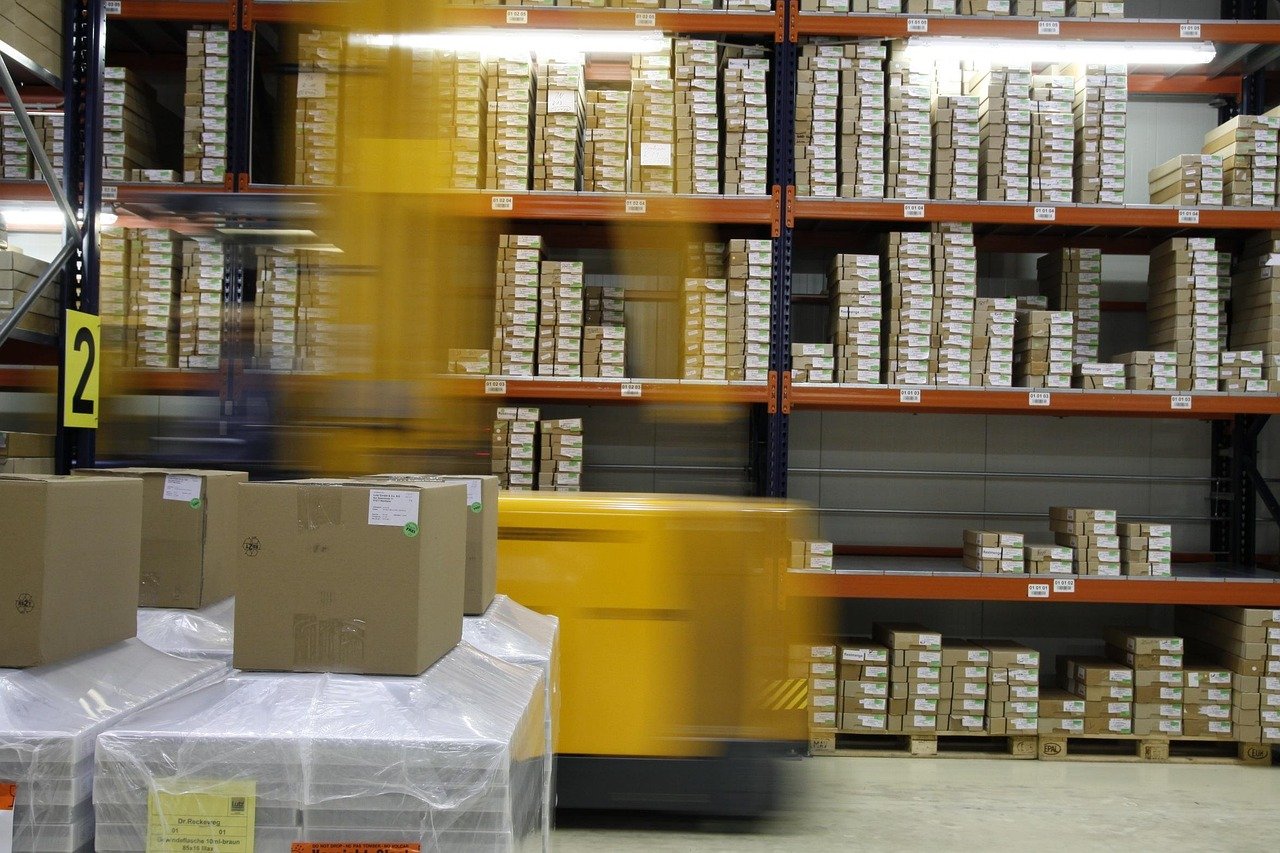
At its core, a warehouse layout digital twin is a virtual, to-scale replica of a facility's floor plan — racking positions, aisle widths, dock door locations, staging areas, and any fixed obstacles like support columns — combined with a simulation engine that can run picking, putaway, and replenishment activity against that layout using real or representative order data. Instead of a static CAD drawing that shows what a layout looks like, the model is dynamic: it can calculate how long it actually takes a picker to walk a representative set of order lines through a given aisle configuration, or how much travel distance a forklift covers moving pallets from receiving to a proposed storage zone. That distinction — static drawing versus dynamic simulation — is what makes it a genuine digital twin rather than just a floor plan.
Most platforms used for this kind of modeling fall into two broad categories: dedicated warehouse-simulation software built specifically for slotting and layout analysis, and more general discrete-event simulation tools adapted for warehouse use by a logistics engineering team. Either way, the underlying method is the same — represent the physical space accurately, feed in activity data that reflects how the facility is actually used, and let the simulation calculate the operational consequences of a proposed change before anyone commits budget or downtime to making it in the real building.
Simulating Rack Placement and Slotting Before Moving a Pallet
Reconfiguring physical racking is expensive and disruptive — it typically means shutting down part of a warehouse's operations, hiring a racking contractor, and accepting reduced throughput for days while the change happens. A layout digital twin lets a warehouse manager test a proposed rack reconfiguration entirely in software first: moving aisle positions, changing rack heights, or reslotting high-velocity SKUs closer to shipping, and seeing the simulated effect on travel distance and picking time before committing to the physical rework. If a proposed layout doesn't actually improve throughput once tested, that's valuable information gained without a single pallet having been physically moved — a sharp contrast to the traditional approach of making a change on the floor and only discovering months later, through declining productivity metrics, that it didn't work as intended.
Testing Picking-Path Efficiency Virtually
Picking labor is typically one of the largest controllable cost centers in a warehouse, and a disproportionate share of a picker's shift is usually spent walking rather than actually picking items off a shelf. A layout digital twin can simulate different picking strategies — zone picking versus batch picking, different aisle sequencing logic, different slotting arrangements — against the same representative order profile, surfacing which configuration minimizes total travel distance for the specific mix of order sizes and SKU velocity a facility actually handles. Because real order profiles vary significantly between a facility handling e-commerce parcels and one handling full-pallet wholesale orders, there's no universal "best" layout; the value of simulation is in testing configurations against a warehouse's own actual order data rather than applying a generic best practice that may not fit.
Dock-Door Configuration and Flow Testing
The same simulation approach extends to dock door assignment and yard-to-dock flow. A digital twin can model how reassigning which dock doors are used for inbound versus outbound traffic, or adding a cross-dock lane, affects congestion and dwell time at the dock during peak receiving hours. For a facility considering an expansion or a change in dock door count, running that scenario through a digital twin first — testing it against realistic truck arrival patterns — is a far cheaper way to find problems than discovering a bottleneck after construction is complete.
Seasonal peak planning is another place this matters. A facility's layout that works comfortably at average daily volume can become a genuine bottleneck during a peak shipping period, when order volume might run several times higher than a normal week. Running peak-season order volumes through a layout digital twin ahead of time — rather than discovering the bottleneck live, during the busiest and least forgiving weeks of the year — lets a warehouse manager identify which part of the layout breaks down first under pressure and address it in advance, whether that means temporary staging changes, additional picking zones, or a revised dock door schedule for the peak window specifically.
Testing a Layout Change: Traditional Approach vs. Digital Twin
| Factor | Traditional Approach | Digital Twin Approach |
|---|---|---|
| Testing a new rack layout | Physically reconfigure, then measure results | Simulate first, physically build only the validated option |
| Operational disruption during testing | Significant — floor is actually changed | None — testing happens in software |
| Number of options compared | Usually one, due to cost of rework | Several, compared side by side before committing |
| When a flawed design is discovered | After implementation, via declining metrics | Before implementation, via simulation |
Data Requirements and Realistic Limitations
A warehouse layout digital twin is only as useful as the data behind it. At minimum, it needs an accurate floor plan, reliable SKU velocity data showing which items move fastest, and a representative sample of real order activity rather than idealized or averaged assumptions. A simulation built on unrealistic order patterns can confidently recommend a layout that performs well in the model but poorly on the actual floor, because real order mixes are messier — with seasonal spikes, promotional surges, and irregular SKU combinations — than any simplified dataset captures. This is also why layout digital twins pair well with the kind of automation covered in our guide to warehouse robotics and AMRs: a facility already generating granular movement and picking data from automated systems has a much richer, more accurate dataset to build an effective digital twin from than one relying purely on periodic manual audits.
It's also worth being clear about what this tool doesn't replace. A digital twin tests a proposed layout against modeled assumptions — it doesn't eliminate the value of a physical pilot or phased rollout for a major change, and it works best as a way to narrow a wide set of options down to the strongest one or two candidates before committing capital, rather than as a guarantee that the real-world result will match the simulation exactly.
When Layout Simulation Is Worth the Investment
Building and maintaining a warehouse layout digital twin is itself an investment of time and software cost, so it's reasonable to ask when it actually pays off compared with simpler planning methods like spreadsheets or a consultant's manual layout study. The clearest case is a facility undergoing a major change — a significant SKU mix shift, a move to a new building, a sharp volume increase from new business, or a planned automation rollout — where the cost of getting the layout wrong is high and the number of plausible layout options worth comparing is more than one or two. For smaller, incremental adjustments, like reslotting a handful of SKUs, the overhead of building a full simulation model may not be justified, and experienced warehouse managers making minor changes within an already well-understood layout can often rely on simpler analysis instead.
The facilities getting the most consistent value from layout digital twins in transportation logistics tend to be those with either high SKU counts and complex order profiles, where the combinatorics of possible layouts are too large to reason through manually, or those planning a new facility from scratch, where the twin can be built and tested well before the building even exists. In both cases, the simulation earns its cost by preventing an expensive mistake rather than by producing marginal day-to-day efficiency gains.
How RR Brothers and Logistics Can Help
Within our warehousing and distribution operations, RR Brothers and Logistics applies the same discipline that a layout digital twin is built on — understanding how SKU velocity, order profiles, and dock flow actually behave for a specific client's cargo before committing to a storage and handling configuration. For transportation logistics customers moving inventory through our network in China and partner markets across India, Turkey, Kenya, Russia and Nigeria, that means facility layouts and handling processes that are tuned to real throughput patterns rather than generic assumptions, keeping goods moving efficiently from inbound receiving through to outbound dispatch.