A growing online store outgrows its first shipping setup sooner than its owner expects. What worked at a few orders a week, a courier parcel booked by hand and a customs form filled in on the spot, starts to leak money and time at a few hundred. Costs per order creep up, deliveries slip, customs queries arrive and the best sellers run out. This guide is about managing international shipping for a growing online store as a system: four stages of shipping maturity, the signs that you are ready to move up, a route and carrier mix, the levers that control cost, how to keep customs clean as volume rises, how to handle exceptions and what to measure.
For the shipping options themselves, see international shipping solutions for e-commerce businesses. For the whole chain, see cross-border e-commerce logistics: a complete guide.
Four Stages of Shipping Maturity
| Stage | Typical setup | Signs it is time to move on |
|---|---|---|
| 1. Start | Individual orders and samples by courier, customs filed ad hoc | Freight per item is a large share of the margin, and the same supplier ships you many small parcels |
| 2. Consolidate | Regular consolidated air or sea shipments through one forwarder and a broker | Stock-outs or dead stock, and cash tied up in the wrong goods |
| 3. Plan | A calendar, recorded lead times, a mode mix and reviewed quotations | More suppliers, products and sales channels than one person can track |
| 4. Systemise | Master data, a classification register, contracted rates, a warehouse partner and a dashboard | Growth into new markets or new product categories |
A store does not have to jump from stage one to stage four. The aim is to recognise the stage you are in and to take the next step before the current setup fails.
Triggers to Move Up a Stage
Watch for these signals rather than for a fixed number of orders:
- The freight per unit on small parcels is higher than the gap between your price and your cost.
- You regularly buy the same product from the same supplier in small lots.
- Customers are told a delivery date that you then miss.
- Customs queries or corrections are becoming routine.
- You cannot say which products will run out next month.
- One person's absence stops shipping.
Build a Route and Carrier Mix
Every lane needs a primary route and a fallback. Decide in advance when to switch.
| Lane or product | Primary | Fallback | Switch when |
|---|---|---|---|
| Core range from China | Sea freight, LCL or FCL | Air freight for part of the order | Stock will run out before the sea shipment arrives |
| Best sellers | Air freight | A second flight or a split shipment | A cut-off is missed |
| Samples and tests | Express courier | Postal parcel | The courier route excludes the goods |
| Bulky items | Sea LCL | Smaller, more frequent shipments | Space or cash is tight |
Our guide to when businesses should choose air freight gives tests for the air decision.
Set Cut-Offs and Customer Promises
A delivery promise to a customer is only as good as the chain behind it. Build it from the stages you have recorded: supplier readiness, pickup, export clearance, transit, import clearance, delivery to your warehouse and the last mile. Add a buffer from your own records, not from a hopeful guess. Give your supplier and your forwarder a calendar of cut-offs and treat them as firm, because an airline cut-off is as hard as a sailing date. See our guide to peak season logistics planning for e-commerce.
Control Shipping Costs
- Packaging size. IATA says air carriers use the higher of actual and volumetric weight, with volume in cubic centimetres divided by 6,000 as the general rule, so a smaller carton can cut the bill.
- Consolidation. Combine orders to the same supplier into one shipment where the lead times allow. See freight consolidation for small e-commerce sellers.
- Fees. IATA lists terminal handling among accessorial fees and storage among other service charges, so ask for a quotation with every line shown.
- Duty. Classification drives duty and IGST, so review it as your range grows. See import duties and taxes in India.
- Landed cost. Calculate it for every product, as our guide to landed cost shows, and re-check it with actual figures.
Choose the Right Partners at Each Stage
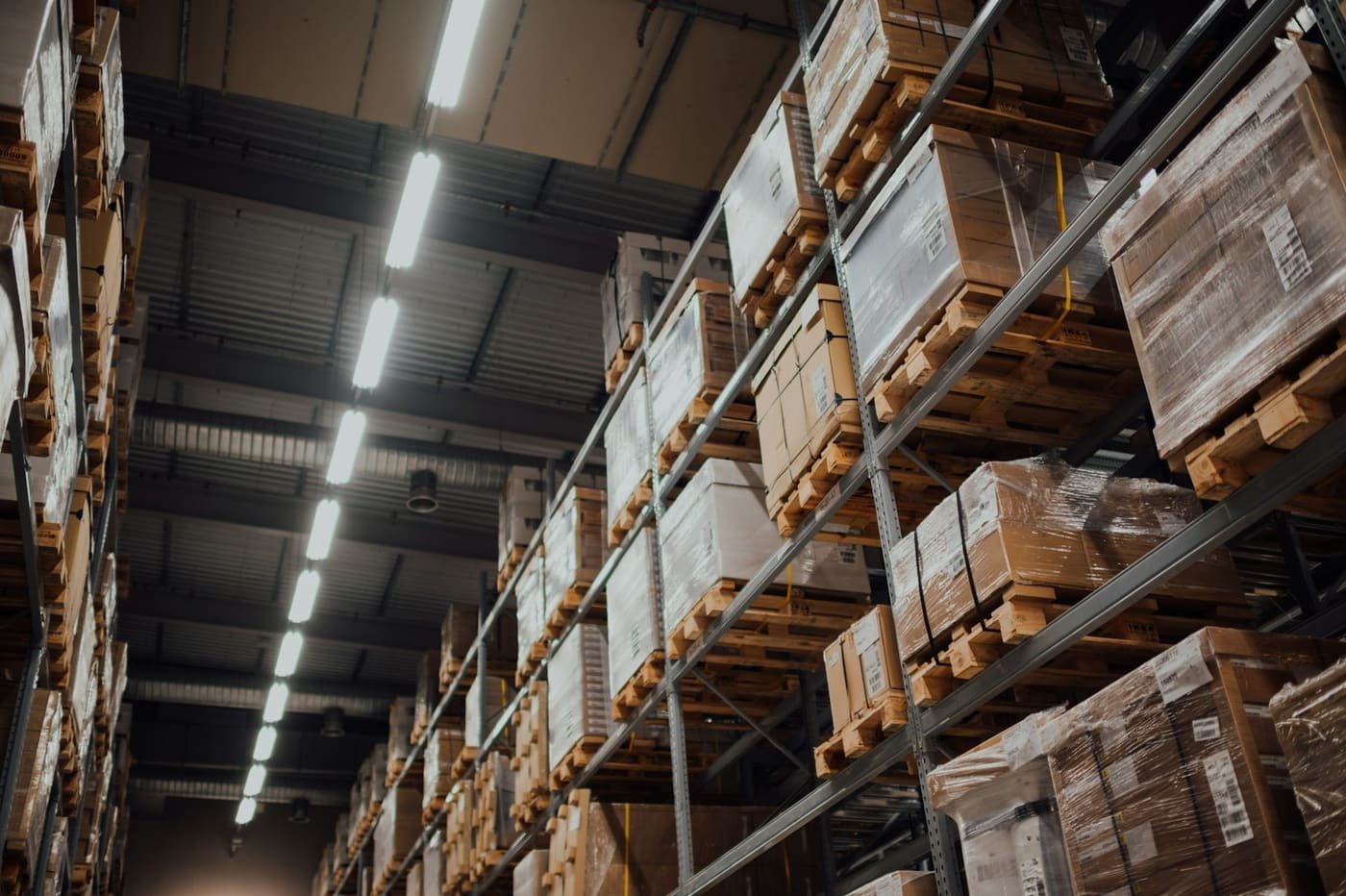
At stage one, a courier and a customs broker may be enough. At stage two, add a forwarder who can consolidate shipments and advise on mode. At stage three, agree service expectations, cut-offs and escalation contacts in writing, and review the partners against your measures every quarter. At stage four, add a warehouse partner and a shared data process, so that the forwarder, the broker and the warehouse work from the same shipment record. At every stage, give each partner one named contact on your side and a deputy, and keep the responsibilities for customs, payment and claims written down. Our guide to third-party logistics explains when handing work to a partner makes sense.
Keep Customs Clean as Volume Grows
More shipments mean more chances for error. Hold an active IEC and its yearly update. Keep a master data sheet for every shipment, a register of classifications and a signed authorisation for your broker. Compare the invoice, packing list and transport document before every filing, as our guide to avoiding documentation errors describes. Remember that under Section 47(2) of the Customs Act, 1962, duty on a self-assessed entry is payable when the bill of entry is presented, so a cash plan belongs in the shipping plan.
Handle Exceptions
Plan for what goes wrong:
- Damage and delay. Under Article 31 of the Montreal Convention, receipt of cargo without complaint is prima facie evidence that it was delivered in good condition, a complaint about damage must be made within fourteen days of receipt and a complaint about delay within twenty-one days. Check goods on delivery and complain in writing.
- Uncleared or unclaimed cargo. A PIB release says that from 1 April 2026, goods at courier terminals that stay uncleared or unclaimed for more than 15 days, and are not prohibited, restricted or under an enforcement hold, can be returned to the origin through a simplified procedure.
- Customs queries. Name a person who answers within a set time, with the documents ready.
What to Measure
| Measure | How to calculate it | What it tells you |
|---|---|---|
| Order to delivery | Days from order to customer receipt against the promise | Whether your promise is honest |
| Landed cost per unit | Total landed cost divided by units | Whether prices still make money |
| Shipping cost share | Freight divided by the value of the goods | Where freight bites hardest |
| Damage and loss | Cases per hundred shipments | Packaging and carrier quality |
| Customs queries | Queries per shipment | Data and documentation quality |
| Stock-outs | Count and lost sales | Whether the buffer works |
A Made-Up Growth Walkthrough
The figures below are made up. A store sells 40 items a month and buys them as individual courier parcels at a freight cost of 500 per item, or 20,000 a month. Demand grows to 400 items a month. It now buys one batch by air freight at a cost of 120 per item, or 48,000 a month, and the freight per item falls from 500 to 120. The change needs a forwarder, a broker, a master data sheet, a cash plan for the duty and a calendar, which is why it is a management change and not just a different carrier.
A Growing Store Checklist
- The current stage is identified and the next step is planned.
- Each lane has a primary route, a fallback and a switch rule.
- Cut-offs are on a shared calendar.
- Landed cost is calculated for every product.
- The IEC, the master data and the classification register are in order.
- Exceptions have an owner and a procedure.
- The six measures are tracked monthly.
Grow Your Shipping With RR Brothers and Logistics
RR Brothers and Logistics supports growing online stores with e-commerce logistics, sea freight, air freight and customs clearance. Tell us your order volumes and we will suggest the next step for your setup.
Frequently Asked Questions
Identify your stage of shipping maturity, move from individual parcels to consolidated freight when the freight per item bites, keep a primary route and a fallback for each lane, and track a small set of measures every month.
When the freight per item on small parcels takes too much of your margin, or when you buy the same product from the same supplier in small lots. Compare consolidated air or sea freight at that point.
Use smaller packaging to cut volumetric weight, consolidate orders, ask for quotations with every line shown, review classification and calculate landed cost for every product.
Under Article 31 of the Montreal Convention, within fourteen days of receipt for damage to cargo and within twenty-one days for delay.
PIB reports that from 1 April 2026, goods that stay uncleared or unclaimed for more than 15 days, and are not prohibited, restricted or under an enforcement hold, can be returned to the origin through a simplified procedure.
Order to delivery against the promise, landed cost per unit, shipping cost share, damage and loss, customs queries per shipment and stock-outs.
Sources
- IATA: Air cargo tariffs and rules (volumetric weight and fees)
- CBIC: Customs Act, 1962 (Section 47)
- Convention for the Unification of Certain Rules for International Carriage by Air (Montreal Convention 1999), full text
- PIB: CBIC operationalises reforms for e-commerce exports and courier trade (31 March 2026)
This article is general information, not legal, tax or customs advice. Rules, rates and procedures change; confirm current requirements with the relevant authority or a licensed customs professional before you ship. Regulatory references were checked against the official sources listed above on 26 October 2026.
Image credits: header photo by jevgeni mironov on Unsplash; photo by CHUTTERSNAP on Unsplash. Used under the Unsplash License.
Request a Quote