Why 2026 Is a Pivot Year for Transportation Logistics
Every January brings a fresh crop of "trends to watch" articles, but 2026 is shaping up differently than the usual list of directional predictions. Several transportation logistics technologies that spent the last two or three years in pilot programs and limited rollouts are now moving into mainstream operational use within the same twelve-month window, which means the cumulative effect on cost, transit time and reliability is larger than any single trend on its own. For a company like RR Brothers and Logistics, moving cargo daily between China, India, Turkey, Kenya, Nigeria and Russia, these shifts aren't abstract industry chatter — they show up directly in quote turnaround times, in how confidently we can commit to a transit window, and in which carriers and routings make sense on a given lane. The transportation logistics landscape shippers are planning around in 2026 looks meaningfully different from even two years ago, and the supply chain trends driving that change are worth walking through individually rather than treating as one undifferentiated wave of "digitization." The eight trends below are the ones we are actually seeing affect bookings, costs and planning conversations with clients right now, not speculative forecasts about what might eventually matter.
AI-Driven Route Optimization and Network Design
Route optimization software has existed in some form for over a decade, but the version being deployed across transportation logistics networks in 2026 is qualitatively different from earlier generations. Rather than solving a single vehicle-routing problem in isolation, current systems ingest live traffic, weather, port congestion and carrier schedule data simultaneously, then continuously re-solve multi-stop, multi-modal routing across an entire network as conditions change mid-transit. For fleets running regular road freight lanes, that means dynamic re-routing around a closed border crossing or a congested corridor happens automatically rather than through a dispatcher manually re-planning by phone. This is part of a broader automation wave across freight forwarding that now touches instant quoting, automated document drafting and AI-assisted customer service — a shift we examined in detail in our piece on AI in freight forwarding. What's changed for 2026 specifically is adoption density: these tools have moved from a competitive edge for early adopters to a baseline expectation shippers now have of any forwarder handling meaningful volume on standard lanes, a shift covered further in our overview of digital freight forwarding technology.
Electric and Hydrogen Fleets Reach Commercial Scale
Electric trucks moved from demonstration fleets to genuine commercial deployment on several transportation logistics corridors in 2026, particularly for last-mile and regional distribution work where daily mileage and charging infrastructure make the economics workable. Battery costs have continued to fall, and several manufacturers now offer medium-duty electric trucks with a total cost of ownership that beats diesel over a multi-year lease once fuel and maintenance savings are factored in, even before any local incentive programs are added. Hydrogen fuel-cell trucks remain earlier stage and concentrated in specific corridors with refuelling infrastructure, better suited today to longer-haul routes where battery weight and charging time are bigger constraints than for urban delivery. We've tracked this shift closely in the Indian market, where charging infrastructure and government incentives have moved faster than in several other markets we serve — our dedicated look at electric trucks and sustainable last-mile delivery in India covers the specifics. For shippers, the takeaway is that fleet electrification is no longer a sustainability talking point disconnected from cost — on the right routes it is now a genuine cost lever, one increasingly reflected in the rate sheets road freight providers are offering.
Port Automation Accelerates at Major Gateways
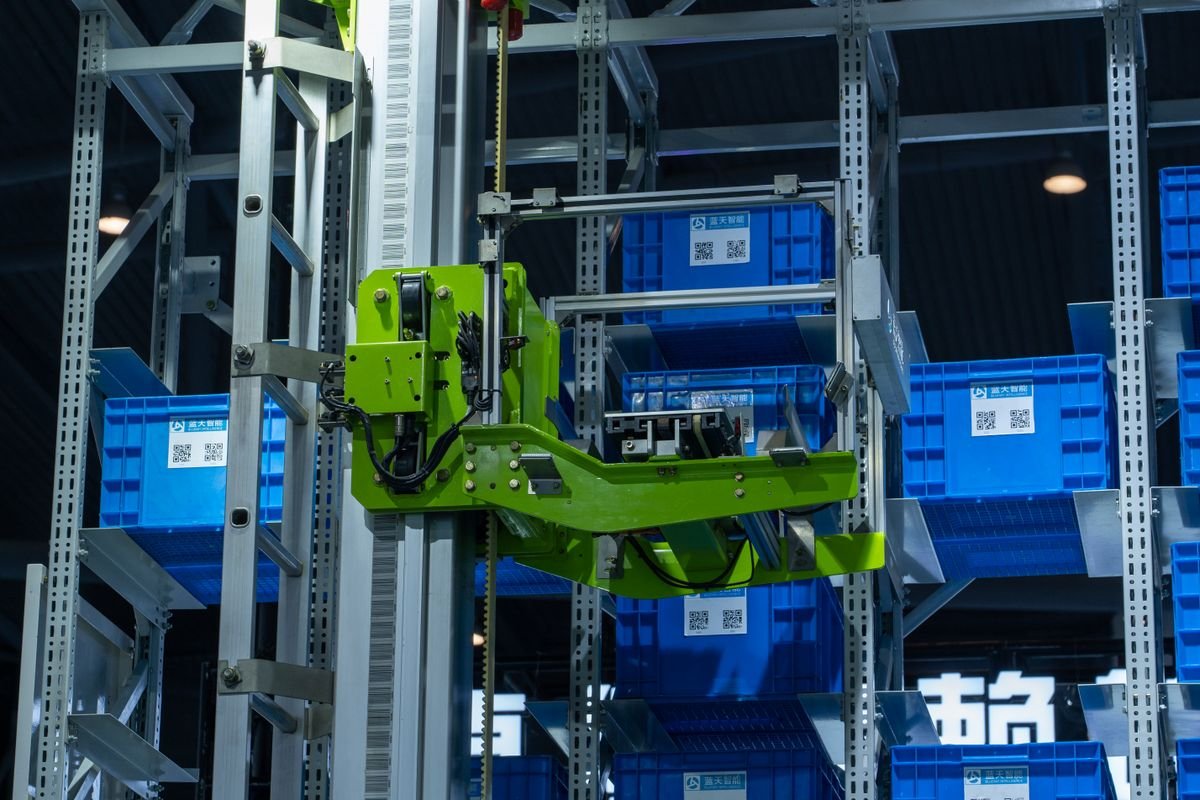
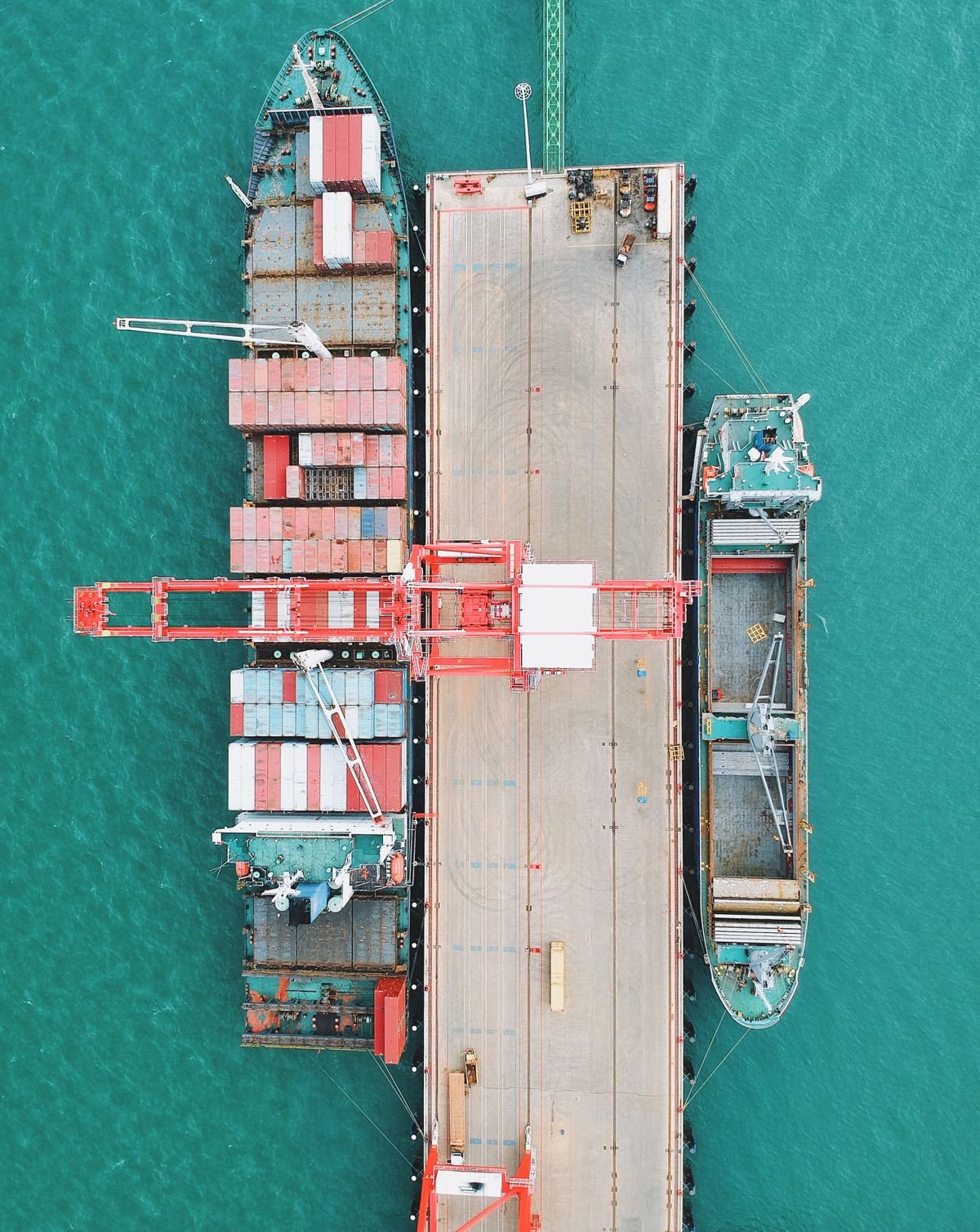
Automated container terminals — remote-controlled and increasingly autonomous ship-to-shore cranes, automated stacking cranes, and driverless yard vehicles — have expanded well beyond the handful of flagship ports that pioneered them a decade ago. In 2026, more mid-sized gateway ports across Asia, the Middle East and parts of Africa are running at least partially automated yard operations, a shift driven as much by chronic labor shortages in some markets as by the efficiency gains automation delivers. For transportation logistics planning purposes, this matters because automated terminals tend to produce more predictable gate-in and gate-out windows and faster container retrieval once a vessel has berthed, even if the headline berth-to-berth transit time doesn't change. Congestion still happens — automation doesn't eliminate a surge in vessel arrivals or a customs backlog — but the variance around "normal" turnaround at an automated terminal tends to be smaller than at a fully manual one. We track how this broader technology shift is playing out across the ports and corridors we serve in our overview of how technology is reshaping logistics solutions in 2026, which looks at terminal automation alongside several of the other trends covered here.
Control Towers and End-to-End Visibility Become the Norm
A "control tower" — a centralized dashboard pulling together booking status, vessel position, customs milestones and warehouse inventory into one live view — used to be a premium feature offered mainly to large enterprise shippers running dedicated freight management teams. By 2026, some version of this visibility has become table stakes across transportation logistics more broadly, driven largely by cheaper IoT sensors and wider carrier API adoption that make the underlying data actually available to build a control tower from. GPS and temperature-logging sensors on containers, RFID tags on pallets, and standardized electronic data interchange from carriers now feed real-time tracking platforms that a mid-sized importer can access without building custom integrations themselves. We go deeper into the sensor and connectivity side of this shift in our companion article on IoT and real-time cargo tracking. The practical effect for a shipper is fewer "where is my container" phone calls and more proactive alerts when a shipment is genuinely running late — a meaningful change in how disruptions get managed, even if it doesn't reduce how often disruptions happen.
Nearshoring and Multi-Origin Sourcing Reshape Trade Lanes
Much of the nearshoring conversation over the past several years focused on manufacturing moving physically closer to end markets. The 2026 version of this trend, at least on the lanes RR Brothers and Logistics serves, looks more like origin diversification than relocation: businesses that sourced almost exclusively from China are increasingly running parallel supply chains through India, Turkey and, to a growing extent, Kenya and Nigeria as regional manufacturing hubs mature. This isn't a wholesale abandonment of China sourcing — China remains the dominant manufacturing base for most of the categories we move — but a deliberate hedge against having every unit of supply exposed to a single origin's port congestion, customs policy shift or trade dispute. For transportation logistics providers, that means the fastest-growing bookings increasingly aren't a single high-volume China-to-destination lane but a shipper running two or three parallel lanes simultaneously and expecting a forwarder to manage all of them through one point of contact. We look at how this diversification is reshaping planning more broadly in our related piece on the future of global logistics from China.
Tightening Sustainability Regulation Changes the Cost Equation
Sustainability regulation moved from voluntary corporate commitment to enforceable cost in 2026. Carriers operating under the framework set out in the International Maritime Organization's 2023 GHG reduction strategy are now factoring carbon pricing and fuel-efficiency requirements directly into freight rates on many lanes, rather than treating environmental compliance as a marketing line item. Shippers increasingly see this reflected in bunker adjustment factors, emissions-linked surcharges, and carrier preference for newer, more fuel-efficient tonnage on premium services. This has practical implications for how importers evaluate freight quotes: a slightly higher headline rate from a carrier operating newer, more efficient vessels may in some cases be a better long-term bet than a cheaper quote on older tonnage likely to face steeper compliance costs as regulations tighten further. We've written separately about the mechanics of carbon offsetting and what it does and doesn't achieve for an importer's own reporting in carbon offset shipping explained. The regulatory direction is unambiguous even where the pace of enforcement varies by flag state and trade lane, and shippers who build compliance cost trends into their planning now will be better positioned than those treating each new surcharge as a surprise.
2026 Trends at a Glance
| Trend | Where It Stands in 2026 | What It Means for Shippers |
|---|---|---|
| AI route optimization | Mainstream on standard lanes | Faster quotes, automatic rerouting around disruption |
| Electric / hydrogen fleets | Electric at commercial scale; hydrogen early-stage | Lower last-mile costs on the right routes |
| Port automation | Expanding beyond flagship ports | More predictable gate turnaround, not fewer disruptions |
| Control towers / visibility | Standard expectation, not a premium add-on | Fewer status calls, earlier disruption alerts |
| Nearshoring / diversification | Parallel sourcing, not relocation | Multi-lane bookings needing one point of contact |
| Sustainability regulation | Enforceable cost, not voluntary | Rate structures increasingly reflect vessel efficiency |
How RR Brothers and Logistics Can Help
None of these trends changes the fundamentals of what a shipper actually needs from a freight forwarder: a reliable quote, a realistic transit time, and someone accountable when something goes wrong. What has changed is the toolkit available to deliver on that promise. RR Brothers and Logistics has built automated quoting and shipment visibility into our booking process across our China, India, Turkey, Kenya, Nigeria and Russia lanes, while keeping experienced staff in place for the judgment calls — a mid-transit reroute, a customs query, a carrier negotiation — that no amount of automation replaces. Whether you're evaluating a shift toward electric vehicles for part of your fleet-side logistics, want a clearer real-time view of cargo in transit, or are weighing how to structure a multi-origin sourcing strategy across our network of markets, our team can help translate these transportation logistics trends into a concrete plan for your specific cargo, budget and timeline, spanning air freight, sea freight, rail freight, road freight, customs clearance and warehousing.
Frequently Asked Questions
No single trend dominates in isolation — the real story in 2026 is that AI-driven route optimization, electric fleet adoption, port automation and tighter sustainability regulation are all reaching mainstream scale in the same period, which compounds their combined effect on cost and reliability rather than any one trend acting alone.
On the right routes — generally last-mile and regional distribution with predictable daily mileage and access to charging infrastructure — falling battery costs have made electric trucks cost-competitive with diesel over a multi-year lease once fuel and maintenance savings are included, though long-haul routes still tend to favor diesel or, in limited corridors, hydrogen.
Automation tends to make turnaround times at a given terminal more predictable rather than eliminating delays outright — a surge in vessel arrivals or a customs backlog can still create congestion, but the variance around normal handling times is generally smaller at an automated terminal than a manual one.
Treat them as planning inputs rather than guarantees — build carrier sustainability surcharges into cost forecasts, ask forwarders exactly what is automated versus human-reviewed, and use improved visibility tools to catch disruptions early rather than assuming better technology means fewer disruptions will happen.