
Vietnam to Russia shipping has one sea route that a Russian carrier describes in detail: a line from Vietnamese ports to Vladivostok, with cargo then moving inland by rail or road. This guide uses the carrier's own pages, the Customs Code of the Eurasian Economic Union (EAEU), the text of the Vietnam-EAEU free trade agreement and official sanctions pages. It ends with a checklist and a cost example built on invented numbers. Customs and sanctions rules change, so confirm each point for your goods with a customs broker and, where relevant, sanctions counsel.
What Does the Sea Route From Vietnam to Vladivostok Look Like?
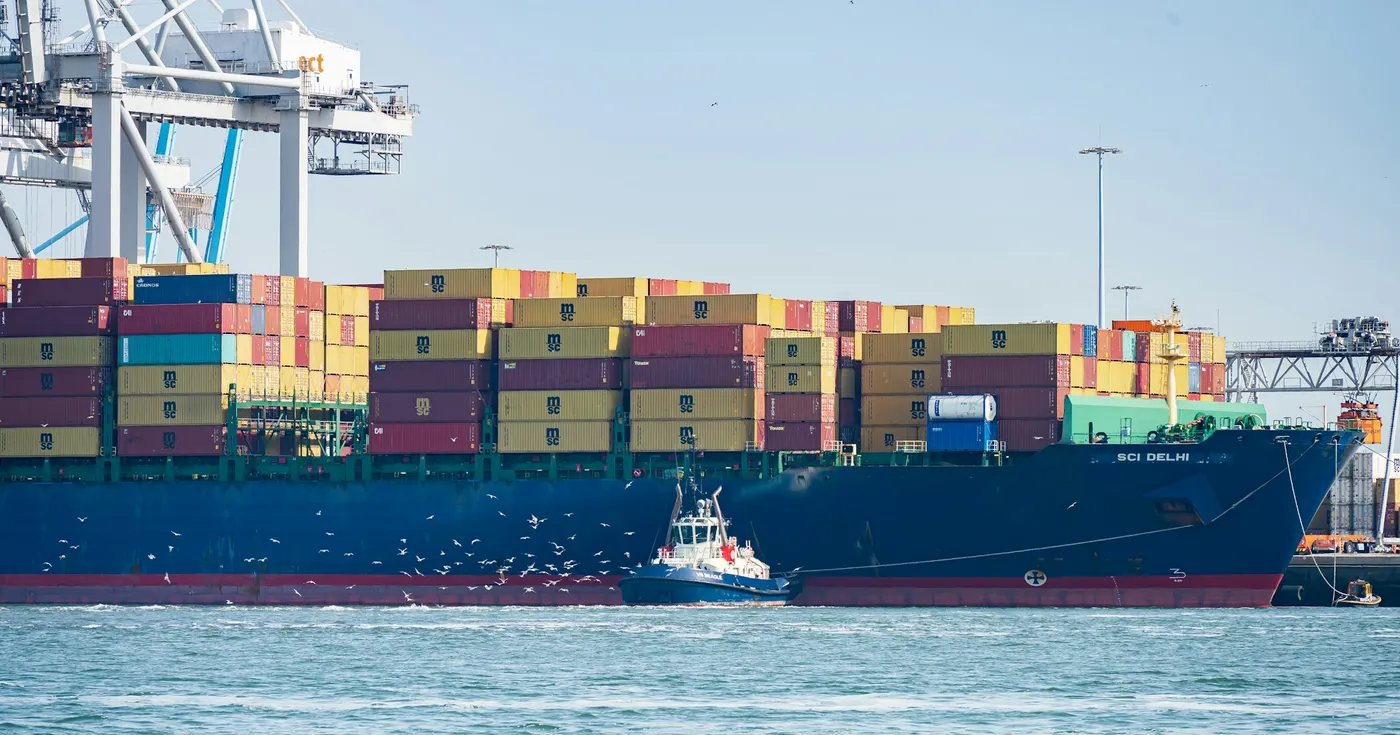
FESCO, the transport group whose business includes the Commercial Port of Vladivostok, describes its Vietnam to Russia offer as a direct maritime service. Its own vessels run between Vladivostok, Ho Chi Minh City and Haiphong without transshipment in other countries' ports, with weekly departures. The FVDL line page lists the rotation as Vladivostok, Ho Chi Minh, Haiphong, Nansha in China and back, and says containers can be regular or refrigerated, shipper-owned or FESCO-owned, with a reefer range of minus 25 to plus 25 degrees Celsius. These are the carrier's published sailing times, not door-to-door times or promises.
| Leg | Days published by FESCO |
|---|---|
| Haiphong to Vladivostok | 8 |
| Ho Chi Minh City to Vladivostok | 11 |
| Vladivostok to Haiphong | 9 |
| Vladivostok to Ho Chi Minh City | 7 |
| Ho Chi Minh City to St. Petersburg (Baltorient Line, via Yantian) | 34 |
| Rail, Hanoi to Moscow via China (FESCO Vietnam Shuttle) | 35 |
The FVDL page shows 10 days for Ho Chi Minh and the rail text quotes 40 to 44 days, so FESCO's own pages differ. Ask for the current schedule file; this section covers one carrier only.
Which Ports Are Involved at Each End?
| Port | What the sources say |
|---|---|
| Haiphong (Lach Huyen) | Hai Phong Port reported its 2 millionth TEU of 2025 on 14 December 2025 at Lach Huyen berths 3 and 4. |
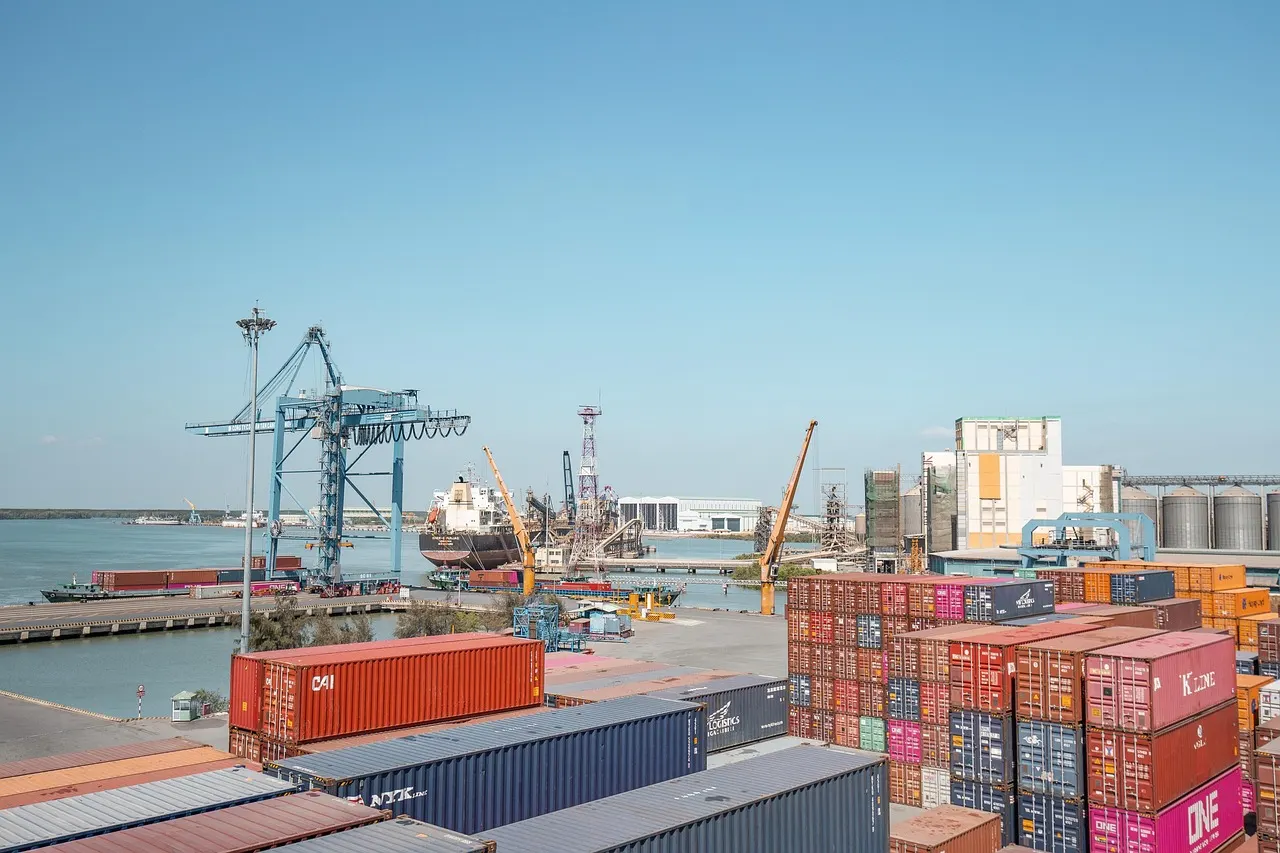
| Ho Chi Minh City area | FESCO names Ho Chi Minh but no terminal. For context, a CMIT news item on the Vietnam Seaports Association site put mother-vessel throughput at the Cai Mep-Thi Vai cluster at nearly 6.3 million TEU in the first 10 months of 2025, over 18% above the same period of 2024. |
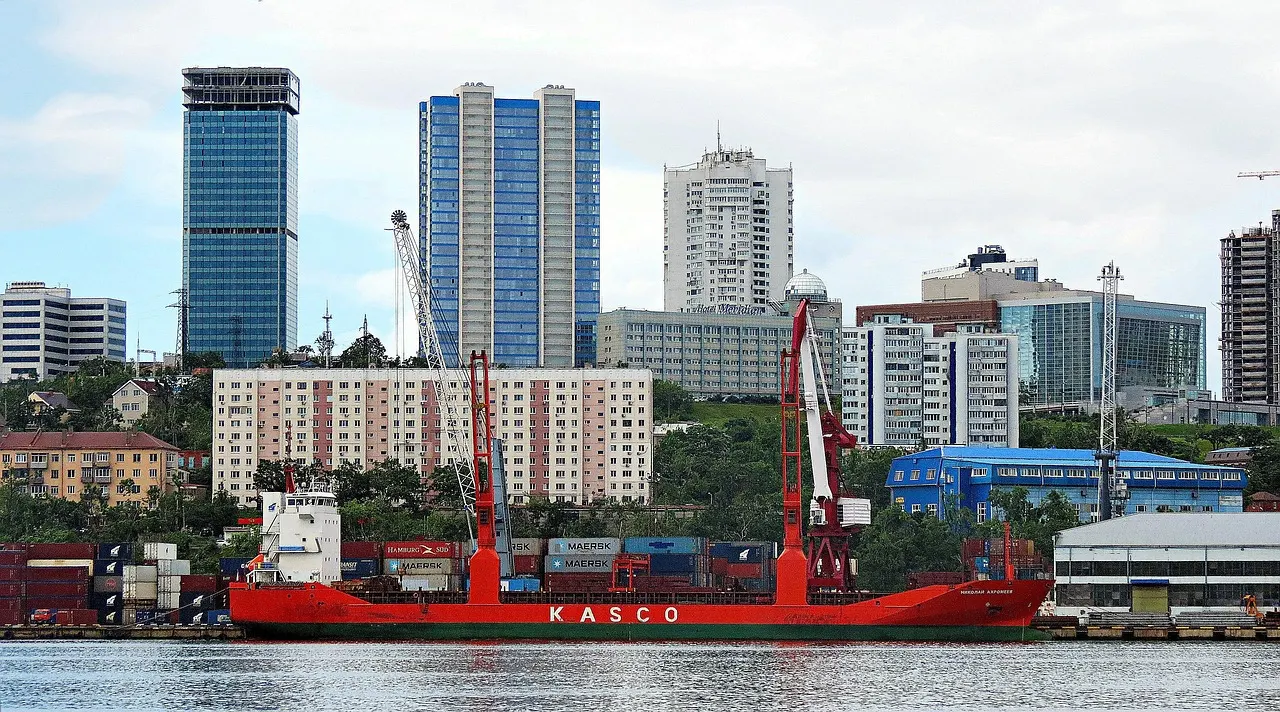
| Vladivostok | Ports Europe reported over 805,000 TEU in 2025 and Russia's largest container port; Interfax put that 8% below 2024. |
The sources do not say FESCO uses Lach Huyen or Cai Mep, so ask which terminal your container will use at each Vietnamese port.
What Customs Rules Apply When Goods Enter Russia?
Russia is an EAEU member, so entry follows the EAEU Customs Code. The unofficial English translation on the Eurasian Economic Commission (EEC) site is the basis for the points below; it is the original treaty text and may not show later amendments.
Declaration and documents
Under Article 104, a declarant or customs broker declares goods electronically when they are placed under a customs procedure, with written declaring permitted in listed cases such as transit and goods for personal use, or where customs systems fail. Article 108 lists the documents that confirm the declared data: transaction and commercial documents, transport documents, proof of the filer's powers, documents on prohibitions and restrictions, origin documents, classification documents, and documents on payment and customs value. The declarant must hold them when filing, except where special filing features apply. See how to avoid documentation errors.
Duty, value and VAT
Article 46 lists the customs payments: import duty, VAT on import, excise and customs fees. Customs value starts from the transaction value, the price actually paid or payable on sale for export into the customs territory (Article 39). Duty rates come from the EAEU Common Customs Tariff, so classification matters; see HS codes explained. Baker McKenzie's summary says the standard Russian VAT rate rose from 20% to 22% on 1 January 2026, applies to imports, and that 10% covers items such as foodstuffs, medicine and books.
Conformity, marking and labelling
The EEC says the conformity mark is applied before goods are released into circulation, and its conformity assessment code covers certification, declaration and state registration. Which regulation applies depends on the product, so ask the broker to name it. For packaged food, an English copy of TR CU 022/2011 requires label information in Russian and the Member State's state language, including name, composition, quantity, date of manufacture, shelf life, storage conditions and the manufacturer's name and address. It covers food only.
What Does the Vietnam-EAEU Free Trade Agreement Say?
The EEC records that the agreement was signed on 29 May 2015 and entered into force on 5 October 2016. The text names Armenia, Belarus, Kazakhstan, Kyrgyzstan and Russia as the EAEU Member States.
| Point | What the official sources say |
|---|---|
| EAEU tariff schedule | The Vietnamese trade ministry's FTA portal lists about 59% of EAEU lines (6,718) as eliminated on entry into force, about 25% (2,876) on an annual reduction to zero "by 2025 as the latest", about 13% (1,453) not committed, and quotas for rice and unprocessed tobacco leaves. |
| Origin test | Article 4.3: wholly obtained, made entirely from originating materials, or meeting the Annex 3 product rules. The portal gives a value-added content of at least 40% as the level in its summary of the product rules and notes some goods need 50-60%; check Annex 3 for your HS line. |
| Proof | Article 4.16: an original Form EAV from an authorised body, valid 12 months, submitted no later than the import declaration. Article 4.17 waives it up to USD 200 customs value. |
| Direct consignment | Article 4.9: direct transport, or third-country transit only if justified by geography or transport needs, with no trade there and only unloading, reloading or storage, shown by transport documents and the invoice. |
A preference is a claim, not a default. It needs the origin test, the certificate and, where the route has intermediate calls, documents that satisfy Article 4.9; ask your broker how a call at Nansha or a rail leg via China is documented. Article 2.3 also applies the MFN rate if it is lower than the schedule rate. Article 46 lists VAT separately from duty, so a duty preference should not be read as a VAT exemption.
How Does Cargo Move Inland From Vladivostok?
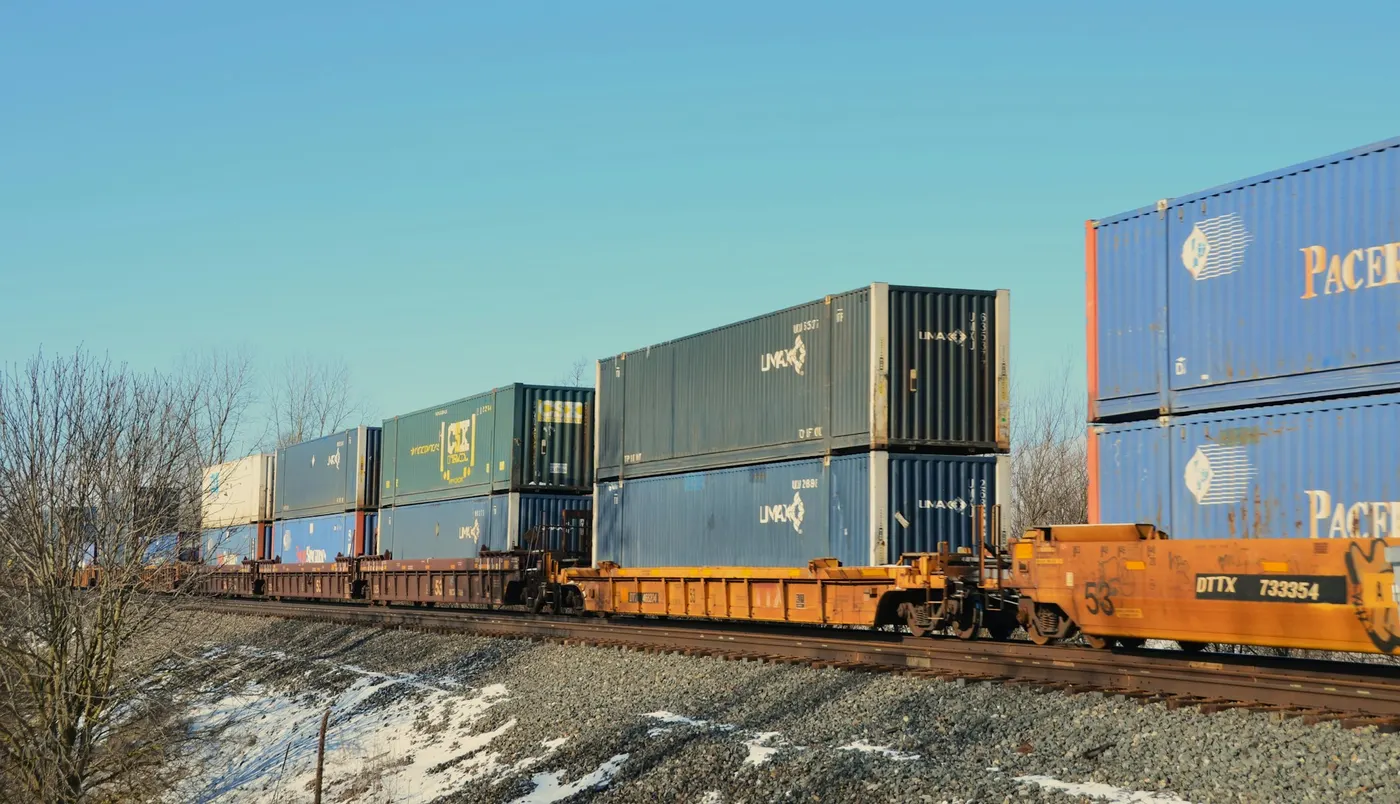
FESCO says containers from the port can go to any point in Russia by regular FESCO rail and road services. Its container train listing publishes transit times and says FESCO sends more than 90 container trains a week from Russian cities, Uzbekistan, Kazakhstan and Belarus.
| Service from Vladivostok | Days published by FESCO |
|---|---|
| Irkutsk | 6 |
| Novosibirsk | 7 |
| Yekaterinburg | 8 |
| Moscow (FESCO Moscow Shuttle) | 11 |
On these figures, a box from Ho Chi Minh City to Moscow could add about 22 days (11 at sea plus 11 by train), before port dwell, clearance and the first and last mile, and published train days differ by destination and direction. For the corridor, see the Trans-Siberian Railway for cargo. FESCO accepts groupage cargo from 1 tonne and 1 cubic metre; see FCL vs LCL.
What Carrier and Sanctions Cautions Apply?
This is not a list of permitted or prohibited goods. Rules come from several governments and can change, so confirm them with a customs broker, your bank and sanctions counsel. See also Russia sanctions and compliance in logistics.
- EU: The European Commission says its economic measures rest on Council Decision 2014/512/CFSP and Regulation (EU) No 833/2014 and include export bans on dual-use and advanced technology items and an anti-circumvention tool. It lists a twenty-first package dated 23 July 2026, so the rules are still moving.
- US: OFAC FAQ 1147 says E.O. 14114 allows sanctions on foreign financial institutions for certain transactions involving Russia's military-industrial base, so ask your bank how it screens payments for this lane. The BIS Russia page lists guidance including "Commodity, End-user, and Transshipment Country Red Flags".
- Carriers: A Reuters report carried by gCaptain from 28 February 2022 recorded ONE suspending bookings to and from St. Petersburg and Hapag-Lloyd suspending Russia bookings on 24 February, citing sanctions compliance. Ask each carrier, insurer and bank in writing whether it accepts your lane, vessel and parties, and screen the carrier, its group companies and the terminal operators against the lists that apply to you.
A Checklist for a Vietnam to Russia Shipment
- Confirm the HS code and ask which technical regulation, conformity document and labelling rules apply.
- Screen the buyer, consignee, banks and goods against current sanctions and export-control lists.
- Get the carrier's current schedule, ports of call, Ho Chi Minh City area terminal and container type.
- Decide whether to claim the FTA preference: HS-level schedule, origin test, Form EAV.
- Check that invoice, packing list and transport documents match on descriptions and weights.
- Appoint a declarant or customs broker for Russia.
- Plan the inland leg; see demurrage and detention charges.
- Budget duty, VAT, port and inland costs.
A Cost Structure Example With Invented Numbers
All figures here are invented to show how the lines stack up. They are not rates, quotes or forecasts.
| Line | Invented amount (USD) |
|---|---|
| Goods value | 20,000 |
| Trucking, Vietnamese clearance and origin terminal charges | 430 |
| Ocean freight to Vladivostok | 1,400 |
| Vladivostok port handling and storage | 250 |
| Russian customs broker fee | 150 |
| Rail to an inland city | 1,800 |
| Import duty (invented 5% of USD 21,000 customs value) | 1,050 |
| Import VAT (22% of USD 21,000, simplified) | 4,620 |
| Total excluding goods | 9,700 |
The USD 21,000 customs value is the goods plus an invented share of freight and insurance. With a 0% duty from a valid Form EAV, the duty line would fall by 1,050; VAT, calculated here on customs value alone, would not change, so ask your broker how the real base is built. See landed cost and how forwarders help reduce shipping costs.
Work With RR Brothers and Logistics
RR Brothers and Logistics arranges sea freight and supports customs clearance work such as HS classification and document checks from Guangzhou, with offices in Coimbatore and Mumbai. Vietnam to Russia is not a lane we publish, so tell us your cargo and route and we will advise whether and how we can handle it through our network. Russian declaring needs a declarant or customs broker. Contact us with questions.
Frequently Asked Questions
FESCO describes a direct maritime service connecting the ports of Vietnam and Vladivostok, with its own vessels running between Vladivostok, Ho Chi Minh City and Haiphong without transshipment in other countries' ports. Check its current schedule file before you book.
FESCO's Vietnam page publishes 8 days from Haiphong and 11 days from Ho Chi Minh City to Vladivostok, while its FVDL page shows 8 and 10. Door-to-door time also includes port dwell, customs clearance and the inland leg, so ask for the current schedule.
Article 108 of the EAEU Customs Code lists transaction documents, transport documents, proof of the filer's powers, documents on prohibitions and restrictions, origin, classification, payment of duties and customs value. A declarant or customs broker files electronically.
It reduces or eliminates duty on originating goods under a schedule, and a claim needs the origin test and a Form EAV certificate. VAT is a separate customs payment under Article 46 of the Customs Code. Check the schedule for your HS code with a broker.
Not necessarily. Sanctions and export controls from the EU, US and others can apply, carriers and banks set their own policies, and rules change. Confirm your goods, parties and payment route with a customs broker and sanctions counsel.
We do not publish this lane. Tell us your cargo, origin port and Russian destination and we will advise whether and how we can handle it through our network. Russian customs declaring needs a declarant or broker.
Sources
- FESCO: Transportation between Vietnam and Russia
- FESCO: Marine transportation from Vietnam to Russia (FVDL)
- FESCO: Container trains
- Treaty on the Customs Code of the Eurasian Economic Union (unofficial translation, EEC)
- Baker McKenzie: Russia VAT/GST rates and thresholds
- EEC: Consultations on marking goods with the EAC mark (8 May 2019)
- EEC: Code on product conformity assessment
- TR CU 022/2011, Food products in terms of their labeling (English copy)
- EEC: EAEU-Vietnam free trade agreement page
- Free Trade Agreement between the EAEU and its Member States and Viet Nam (text)
- Vietnam Ministry of Industry and Trade FTA portal: tariff commitments
- Vietnam Ministry of Industry and Trade FTA portal: rules of origin
- European Commission: Sanctions adopted following Russia's military aggression against Ukraine
- OFAC: FAQ 1147 on E.O. 14114
- BIS: Russia and Belarus export controls guidance
- gCaptain: Container lines suspend Russia bookings (28 February 2022)
- Ports Europe: Vladivostok Commercial Sea Port handled over 805,000 TEU in 2025
- Interfax: Vladivostok port container handling (9 April 2026)
- Hai Phong Port: 2 millionth container milestone (14 December 2025)
- Vietnam Seaports Association website: CMIT 2 million TEU milestone (11 December 2025)
This article is general information, not legal, tax or customs advice. Rules, rates and procedures change; confirm current requirements with the relevant authority or a licensed customs professional before you ship. Regulatory references were checked against the official sources listed above on 31 October 2026.
Image credits: header photo from SONVU9491 on Pixabay; photo by Julia Taubitz (justmejuliee) on Unsplash; photo from SONVU9491 on Pixabay; photo from zzkonst on Pixabay; photo by Roger Starnes Sr (rstar50) on Unsplash; photo from SONVU9491 on Pixabay. Used under the Unsplash License and the Pixabay Content License.
Request a Quote

