There is no single best way to ship from China to India. The right method depends on how much you are sending, how soon you need it, what the goods are worth per kilogram, and which customs route they will take. A pallet of heavy machinery parts, a carton of phone accessories and a monthly restock of apparel each belong in a different lane. This guide compares the main shipping methods from China to India, and gives you five questions that usually settle the choice.
For the mode-by-mode details, see our guides to sea freight and air freight, or our complete guide to China to India shipping.
The Four Main Methods Compared
| Method | Best for | Watch out for |
|---|---|---|
| FCL (full container, sea) | Large or regular volumes, heavy or bulky goods | You pay for the container whether it is full or not |
| LCL (shared container, sea) | Smaller orders or goods from several suppliers | Consolidation and handling at both ends, and less control over timing |
| Air freight | Urgent, high-value or compact goods | Highest cost per kilogram, and charges based on volume as well as weight |
| Express courier | Samples, small parcels and low-value consignments | Courier rules and value limits, and a higher cost per unit of weight |
FCL and LCL
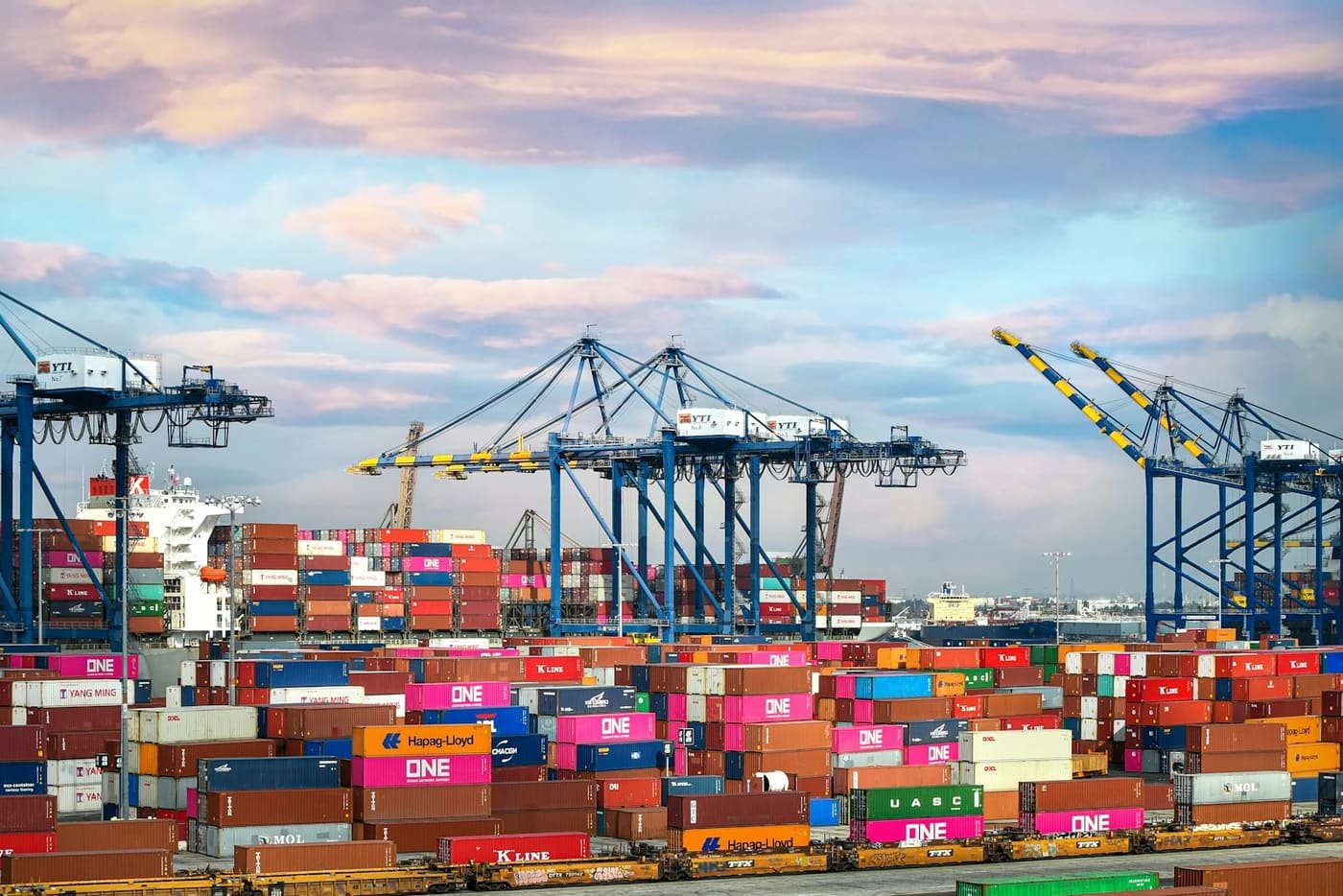
Sea freight suits cargo that can wait. If your goods can fill most of a container, FCL gives you a sealed box to yourself, with less handling. If they cannot, LCL lets you pay for the space you use, at the price of consolidation at a freight station in China and deconsolidation in India. Our guide to LCL vs FCL for China shipments explains how to decide.
The cost logic is simple. An FCL container costs the same whether it is full or not, so the cost per unit falls as you fill it. LCL is charged by the space or weight you use, so it is flexible for small volumes but carries handling at both ends. Somewhere between the two there is a break-even volume, and it is different for every product and every rate. Ask for both quotes when your volume is close to it.
Air freight
Air is priced on the higher of actual and volumetric weight. IATA gives the general rule for volumetric weight as volume in cubic centimetres divided by 6,000, so packaging matters as much as weight. Use air when the speed pays for itself. For the full comparison, see air freight vs sea freight from China.
Express courier
Courier is the simplest method for small shipments, because the courier handles the customs filing. It also has its own rules. The Courier Imports and Exports (Electronic Declaration and Processing) Regulations, 2010 define a gift as an article for personal use of a value not exceeding ten thousand rupees per consignment for imports, and bona fide commercial samples supplied free of charge in the same way. They define a low-value dutiable consignment as an import consignment, other than documents, gifts and samples, with an invoice value not exceeding one lakh rupees. Larger or regulated consignments need a different route, so ask the courier which one applies before you book, and check the current text of the regulations.
Five Questions That Choose the Method for You
- How much are you shipping? Close to a container points to FCL. A few pallets or cartons points to LCL or air. A few parcels points to courier.
- How soon do you need it? If a late arrival costs real money, air or courier earns its premium. If not, sea is cheaper.
- What is the value per kilogram? High-value, compact goods can carry air freight. Low-value, bulky goods usually cannot.
- Is it fragile or regulated? Fragile goods may justify a sealed FCL. Regulated goods may need licences or standards. India's Foreign Trade Policy 2023 says imports are free unless regulated, and that domestic technical specifications and safety norms apply to imports too, so check your product's category first.
- How often will you ship? A regular flow justifies a standing sea service, while a one-off may suit whatever is quickest to book.
Three Illustrative Scenarios
These examples are made up to show the thinking. They do not describe real customers.
- A distributor restocking monthly with bulky household goods. Volume is predictable and the goods are low in value per kilogram, so FCL by sea on a planned schedule is the natural fit. If volume is lower in some months, LCL fills the gap.
- A manufacturer waiting for a small electronic component that has stopped a line. The part is light and the cost of downtime is high, so air freight, or courier if the value and rules allow, is justified.
- A seller testing ten product samples before a large order. The samples are small and free of charge, so courier is likely the quickest route, subject to the value and rules above.
- A retailer launching a seasonal range on a fixed date. The date cannot move and the order is large. A planned FCL booking made early, with a small air allowance for items that arrive late from the factory, protects the date without flying everything.
What Each Method Means for Paperwork
The transport document and the customs route change with the method.
| Method | Main transport document | Customs route |
|---|---|---|
| FCL and LCL by sea | Bill of lading | Bill of entry filed by the importer or a broker |
| Air freight | Airway bill | Bill of entry filed by the importer or a broker |
| Express courier | The courier's airway bill | The courier's own filing route for eligible consignments |
For the sea and air routes, India's Foreign Trade Policy 2023 lists the mandatory import documents as the bill of lading or airway bill, a commercial invoice cum packing list (separate documents are also accepted) and the bill of entry. Whichever method you choose, the invoice and the packing list must agree with each other and with what is in the boxes.
Combining Methods
The best answer is often a mix. Many importers move the bulk of an order by sea and fly a smaller portion that cannot wait. Some consolidate small orders from several suppliers into one LCL shipment, then switch to FCL as volumes grow. Treat the method as a decision you revisit as your volumes and deadlines change.
Common Mistakes When Choosing a Method
- Choosing on the headline price without checking what is included.
- Flying bulky, low-value goods because a deadline was missed, instead of planning the order earlier.
- Using LCL for volumes large enough that FCL would cost less per unit.
- Sending regulated goods by courier without checking the rules for the goods and the route.
- Forgetting that packaging volume drives both LCL and air charges.
- Assuming a faster mode removes the need to prepare customs paperwork early.
Reviewing Your Method as You Grow
The method that suits your first shipment may not suit your tenth. Review it when your volume, your deadlines or your product mix changes. A seller who starts with courier samples may move to LCL for first orders and to FCL for regular replenishment. A manufacturer may add a standing air allowance for urgent parts. Ask your forwarder for a periodic summary of what you shipped, by which method and at what cost per unit, and use it to adjust the mix.
Check These Before You Book Any Method
- Confirm the HS code and the goods description with your forwarder or broker.
- Agree the Incoterm and who arranges each step. Our guide to door-to-door delivery shows what a single-provider service covers.
- Ask for quotes on the same scope so you can compare them.
- Check whether the goods are restricted, need standards or are classed as dangerous goods.
- Make sure the invoice, packing list and transport document agree.
- Plan the customs filing early. Section 46 of the Customs Act, 1962 allows a bill of entry up to thirty days before expected arrival.
Choose Your Method with RR Brothers
RR Brothers and Logistics can quote sea freight and air freight from China and support customs clearance in India, so you can compare methods side by side. Send us your cargo details, including volume, weight and the date you need the goods.
Frequently Asked Questions
It depends on volume, urgency, value per kilogram and the goods themselves. FCL suits large volumes, LCL smaller ones, air suits urgent or compact high-value goods, and courier suits samples and small parcels.
Sea freight is usually cheaper per unit for heavy or bulky cargo, while air freight is priced on chargeable weight and costs more per kilogram. Compare quotes using your packed dimensions and weights.
Courier clearance has its own route. The courier regulations define low-value dutiable consignments as imports with an invoice value up to one lakh rupees, other than documents, gifts and samples. Check with the courier which route applies.
When your cargo does not fill a container, or you are combining goods from several suppliers. If your volume is near the break-even point, ask for both quotes.
Put each quote on the same basis: Incoterm, start and end points, container size or cargo dimensions, included charges, exclusions and validity. Then compare totals.
Yes. Many importers send the bulk by sea and a smaller urgent portion by air, as long as each shipment has its own documents and packing.
Sources
- CBIC: Courier Imports and Exports (Electronic Declaration and Processing) Regulations, 2010
- CBIC: Customs Act, 1962 (Section 46)
- IATA: Air cargo tariffs and rules (volumetric weight)
- DGFT: Foreign Trade Policy 2023, Chapter 2 (import policy)
This article is general information, not legal, tax or customs advice. Rules, rates and procedures change; confirm current requirements with the relevant authority or a licensed customs professional before you ship. Regulatory references were checked against the official sources listed above on 25 October 2026.
Image credits: header photo by Mika Baumeister on Unsplash; photo by Barrett Ward on Unsplash. Used under the Unsplash License.
Request a Quote