Shipping raw materials is a question of weight. A factory's inputs, whether metal, resin, chemicals, minerals or agricultural material, can be dense, heavy and bought in large quantities, so the limits that matter are payload, handling and rules about what the material is, not just volume. The mode, the container, the trade term, the hazard classification and the permits all follow from the material and the quantity. This guide sets out how to ship raw materials across borders: the choice between bulk and container, a density test for container payloads, how to pick a trade term, the rules on hazardous goods, scrap and agricultural inputs, how duties apply and what quality checks to arrange.
For the manufacturer's wider choices, see international shipping solutions for manufacturing companies.
Bulk or Container?
The Port of Rotterdam's cargo overview separates the categories: breakbulk includes cargo that does not fit into containers, containers are the backbone of global trade, dry bulk includes raw materials for industry, construction and energy, and liquid bulk concerns liquid energy carriers and chemical products. For a manufacturer, the choice depends on quantity and handling:
- Bulk shipments suit large, regular volumes of a single material, where the supplier and your plant can load and unload in bulk.
- Containers suit smaller lots, packaged material and cargo that needs protection from contamination, and they suit the logistics of smaller buyers.
- Breakbulk suits heavy, long or awkward items such as steel sections, which our guide to what breakbulk shipping is explains.
The Density Test for Containers
A container is limited by volume and by payload, and dense materials hit the payload first. A Maersk equipment specification sheet gives the figures for steel dry containers: a 20 ft standard container has a volume of 33 cubic metres and a maximum payload of 28,200 kg, and a 40 ft standard container has 67 cubic metres and 28,800 kg. Dividing payload by volume gives the density at which the two limits meet.
| Container | Volume | Maximum payload | Break-even density |
|---|---|---|---|
| 20 ft standard | 33 cubic metres | 28,200 kg | about 855 kg per cubic metre |
| 40 ft standard | 67 cubic metres | 28,800 kg | about 430 kg per cubic metre |
A material denser than the break-even figure reaches the weight limit before the container is full, and a lighter one fills the container before it reaches the limit. Take a made-up powder that weighs 700 kg per cubic metre as packed. In a 20 ft container it would fill 33 cubic metres with 23,100 kg, which is below the payload, so it is volume-limited. A made-up metal product at 1,500 kg per cubic metre can load only 18.8 cubic metres before reaching 28,200 kg, which wastes space but is the limit of the unit. The practical conclusions are that a dense material gains almost nothing from the larger unit, whose payload is only 600 kg higher, and that a light material gets the most from the larger unit. Ask your forwarder for a loading plan, and check the exact figures for the equipment you will actually receive.
Choose the Trade Term
The ICC Academy's article on CFR and CIF says CIF is suitable where the seller has direct access to the vessel for loading, such as bulk or non-containerised goods or raw materials. The article on FOB and FAS says that when goods are containerised, the seller typically delivers them to the container terminal and not on board the vessel, and that FCA is then the more appropriate rule. So for bulk raw materials, FOB or CIF can fit, and for containerised lots you should ask whether FCA fits better. See EXW vs FOB vs CIF.
Hazardous Raw Materials
Some industrial inputs are dangerous goods. At sea, the IMO says the carriage of dangerous goods in packaged form must comply with the IMDG Code, which extends the mandatory provisions of SOLAS chapter VII and, with MARPOL Annex III, covers harmful substances. By air, IATA says the shipper is responsible for packaging, labelling and the Shipper's Declaration for Dangerous Goods. Get the safety data and the classification from the supplier before you book, and tell your forwarder early, because carriers can refuse what they have not been told about.
Protect the Material in Transit
The CTU Code asks packers not to pack wet and damp goods if it can be avoided and not to stow goods with tainting odours alongside sensitive merchandise. Both points matter for powders, granules and any input that absorbs moisture or smell. Ask the supplier how the material will be packed, for example in bags, drums or bulk bags, and ask your forwarder to confirm that the container will be inspected, clean and dry before loading. Record the seal numbers and photograph the loaded unit, so that a contamination claim has evidence behind it.
Scrap, Agricultural and Restricted Inputs
- Metallic waste and scrap. Para 2.32 of the Foreign Trade Policy 2023 says imports of any form of metallic waste or scrap must not contain hazardous, toxic or radioactive waste or any arms, ammunition or explosives, with the types and procedures in the Handbook of Procedures.
- Primary agricultural products. DGFT's general notes on import policy say all primary agricultural products are subject to a biosecurity and sanitary and phytosanitary import permit under the Plant Quarantine (Regulation of Import into India) Order, 2003.
- Mandatory standards. The same notes say products under mandatory Indian Standards must comply, and manufacturers and exporters of those products to India must obtain a BIS licence.
- Bonded warehousing. Para 2.36 of the Foreign Trade Policy does not allow hazardous waste and chemicals to be warehoused in bonded warehouses under that para.
Duties and Trade Remedies
Duty follows the classification, as our guide to import duties and taxes in India explains. CBIC's guidance note says anti-dumping duty and safeguard duty on specified goods are included in the value on which IGST is charged, so a trade remedy raises the cost twice. Check whether any such duty applies to your material before you agree a price.
Weight, Quality and Sampling
For bulk and heavy materials, disputes can come down to weight and quality. Agree in the contract how the quantity will be determined at loading and at discharge, who appoints the independent inspector, how samples will be taken and sealed and what tolerance applies. The Embassy of India in Beijing's advisory for Indian SMEs reports cases of sand, stones, bricks and mud supplied in place of chemicals, metals and plastics, and recommends independent inspection and releasing the balance only after quality and quantity are checked. See quality control inspection before shipping from China.
Storage and Receiving
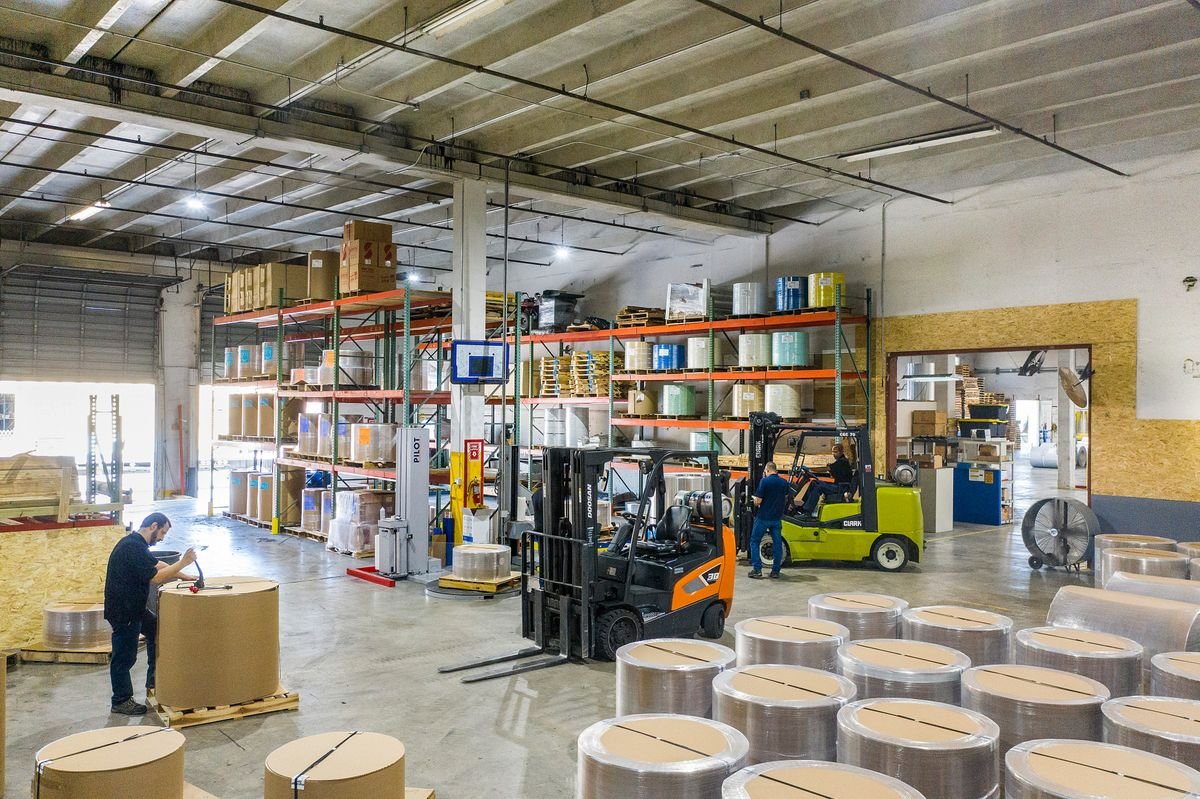
Materials need somewhere to go when they arrive. Plan the receiving area, the handling equipment and the storage conditions before the vessel sails, and have the delivery transport booked. Under Section 48 of the Customs Act, 1962, goods not cleared, warehoused or transhipped within thirty days of unloading, or any longer period the officer allows, may be sold after notice, so clearance should be planned as carefully as the voyage.
Common Mistakes
- Choosing a 40 ft container for a dense material that cannot use the extra length.
- Not checking the payload against the gross mass of the packed unit.
- Learning that a material is a dangerous good after the booking is made.
- Importing scrap or agricultural material without checking the rules and permits.
- Ignoring anti-dumping duty in the price.
- Having no agreed method for weight and sampling.
A Raw Materials Checklist
- The material's classification, hazard status and permits are known.
- Bulk, container or breakbulk has been chosen on volume and handling.
- The density test has been run against the container's payload.
- The trade term fits the loading method.
- Duties and trade remedies are in the price.
- Weight, sampling and inspection are agreed in writing.
- Receiving and storage are ready, and clearance is planned.
Ship Raw Materials With RR Brothers and Logistics
RR Brothers and Logistics moves industrial inputs from China by sea, handles dangerous goods and supports customs clearance in India. Tell us the material and the quantity and we will help you plan the loading, the documents and the clearance.
Frequently Asked Questions
Bulk suits large, regular volumes of one material where the supplier and your plant can handle bulk. Containers suit smaller lots, packaged material and cargo that needs protection. Breakbulk suits heavy or awkward items.
Maersk's equipment sheet gives 28,200 kg and 33 cubic metres for a 20 ft standard steel dry container, so a material denser than about 855 kg per cubic metre reaches the weight limit before the container is full.
ICC Academy says CIF is suitable where the seller has direct access to the vessel for loading, such as bulk or non-containerised goods or raw materials, and that FCA is more appropriate for containerised goods.
Para 2.32 of the Foreign Trade Policy says metallic waste and scrap must not contain hazardous, toxic or radioactive waste or any arms, ammunition or explosives, with details in the Handbook of Procedures.
DGFT's general notes say primary agricultural products are subject to a biosecurity and sanitary and phytosanitary import permit under the Plant Quarantine Order, 2003.
CBIC's guidance note says anti-dumping and safeguard duties are included in the value for IGST, so they raise the cost twice. Check for any such duty before agreeing a price.
Sources
- Port of Rotterdam: Cargo (containers, breakbulk, dry and liquid bulk)
- Maersk: Dry container equipment specifications
- ICC Academy: CFR and CIF, Incoterms 2020 explained
- ICC Academy: FOB and FAS, Incoterms 2020 explained
- IMO: The International Maritime Dangerous Goods (IMDG) Code
- IATA: What you need to know about the transport of dangerous goods by air
- IMO/ILO/UNECE: Code of Practice for Packing of Cargo Transport Units (CTU Code)
- DGFT: Foreign Trade Policy 2023, Chapter 2 (paras 2.32 and 2.36)
- DGFT: General notes regarding import policy (ITC (HS) 2022, Schedule 1)
- CBIC: Guidance note for importers and exporters on GST
- Embassy of India, Beijing: Updated advisory for Indian SMEs doing business with Chinese companies
- CBIC: Customs Act, 1962 (Section 48)
This article is general information, not legal, tax or customs advice. Rules, rates and procedures change; confirm current requirements with the relevant authority or a licensed customs professional before you ship. Regulatory references were checked against the official sources listed above on 26 October 2026.
Image credits: header photo by Mika Baumeister on Unsplash. Used under the Unsplash License.
Request a Quote