Wholesale importers carry the same logistics problems as any importer, but at a scale that magnifies each one. A wide range of products means many classifications and many rules. Large volumes mean full containers, large duty payments and heavy documents. Many suppliers mean many payments and many checks. A single mistake is repeated across hundreds of lines. This guide sets out the main logistics challenges for wholesale businesses importing from abroad, explains why each one bites harder at scale and gives a control for each. It draws on India's Foreign Trade Policy, the Customs Act, the Reserve Bank of India's import payment rules and the Embassy of India in Beijing's advisory for SMEs.
For the tools that help, see import planning strategies for small and medium-sized businesses.
The Eight Challenges at a Glance
| Challenge | Why it bites wholesalers | The control |
|---|---|---|
| 1. A wide product range | Many classifications, policies and standards | A classification and compliance register |
| 2. Container economics | Full loads, mixed loads and the choice between FCL and LCL | Plan loads by volume and weight |
| 3. Cash and payment terms | Large payments to many suppliers and duty on every entry | A cash calendar |
| 4. Demurrage and storage | Delays multiply charges across many containers | Early filing and a receiving plan |
| 5. Documentation volume | Long invoices and packing lists with many lines | A master data sheet and a line-by-line match |
| 6. Quality at scale | Defects are found after the stock is paid for | Independent inspection |
| 7. Supplier concentration | One failure stops a whole category | Verified second suppliers |
| 8. Receiving and storage | Many containers and mixed pallets arrive together | A receiving procedure |
Challenge 1: A Wide Product Range
Each product needs its own classification, import policy check and compliance evidence. India's Foreign Trade Policy 2023 says imports are free unless prohibited, restricted or reserved for State Trading Enterprises under the ITC (HS), and that domestic technical specifications and safety norms apply to imports. DGFT's general notes on import policy add that products under mandatory BIS standards must comply, that electronics notified under the 2012 Compulsory Registration Order are prohibited unless BIS-registered, and that toys are governed by BIS standards. Across hundreds of lines, one non-compliant product can hold up a whole consignment.
Control: keep one register with a line per product: description, classification, policy status, compliance evidence and an owner. Review it each quarter and before every new product. See our guide to how product classification affects import duties and compliance.
Challenge 2: Container Economics
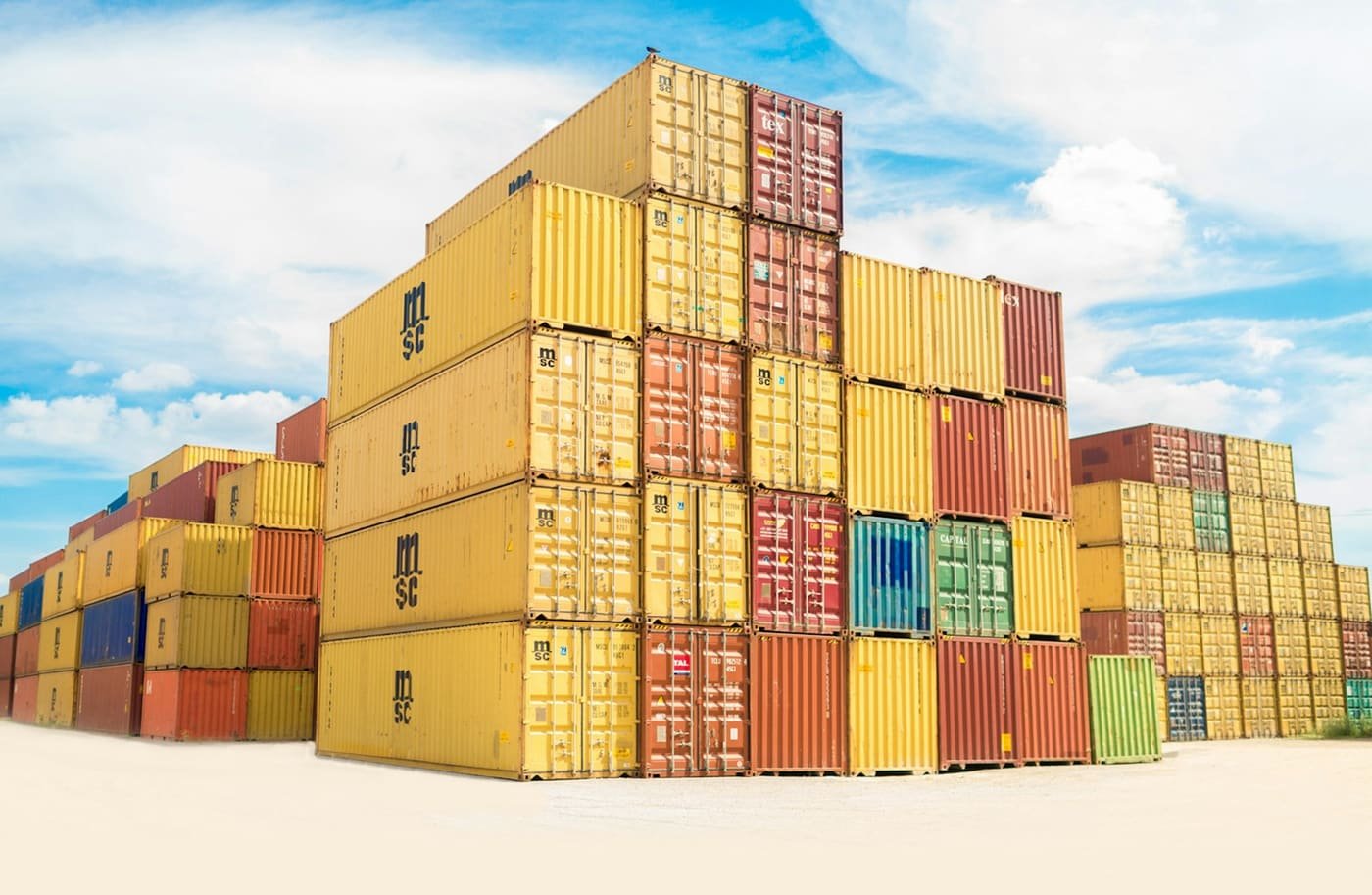
Wholesale volumes make full containers possible, and that changes the economics. The questions are whether to fill a container yourself, share one, or split an order between modes. Our guides to FCL vs LCL, choosing the right shipping container and 20ft vs 40ft containers set out the choices.
Control: plan each load by volume and weight before the order is placed, and ask your forwarder for a loading plan so that you do not pay for air.
Challenge 3: Cash and Payment Terms
A wholesaler can have large sums out in several places at once: supplier advances, balance payments, freight and duty. The Reserve Bank's Master Direction on Import of Goods and Services expects remittances against normal imports to be completed within six months from the date of shipment, asks for a standby letter of credit or bank guarantee for advance remittances above USD 200,000 unless the importer qualifies for a waiver, and requires the bank to receive evidence of import. Section 47(2) of the Customs Act, 1962 makes duty on a self-assessed entry payable when the bill of entry is presented.
Control: a cash calendar that shows, for every shipment, the dates on which supplier payments, freight and duty fall due.
Challenge 4: Demurrage and Storage
Delays that cost one importer a few days of storage can cost a wholesaler weeks across many containers. Section 48 allows goods not cleared, warehoused or transhipped within thirty days of unloading to be sold after notice, and carriers and terminals charge for time. See our guide to demurrage and detention charges.
Control: file the bill of entry early, have the duty funds and documents ready, and book the delivery transport before the cargo arrives.
Challenge 5: Documentation Volume
A wholesale shipment has long invoices and packing lists. Section 46(2) says the bill of entry includes all the goods mentioned in the bill of lading or other carrier receipt, and Section 111(m) makes goods that do not correspond with the entry in value or any other particular liable to confiscation. A mismatch on one line of five hundred is still a mismatch.
Control: a master data sheet, a line-by-line match of invoice, packing list and transport document, and a review of the draft entry. See avoiding documentation errors.
Challenge 6: Quality at Scale
Defects found after paying for a whole container are costly. The Embassy of India in Beijing's advisory for Indian SMEs recommends appointing a professional third-party inspection agency, a physical inspection at the point of loading and releasing the balance only after quality and quantity are checked.
Control: independent pre-shipment inspection, with the balance payment tied to the result. See quality control inspection before shipping from China.
Challenge 7: Supplier Concentration
When one supplier provides a whole category, its failure stops your sales. The advisory also recommends verifying every new supplier and treating each transaction on its own merits.
Control: a verified second supplier for key categories, and a routine for onboarding. See how to find reliable suppliers in China and multi-origin sourcing.
Challenge 8: Receiving and Storage
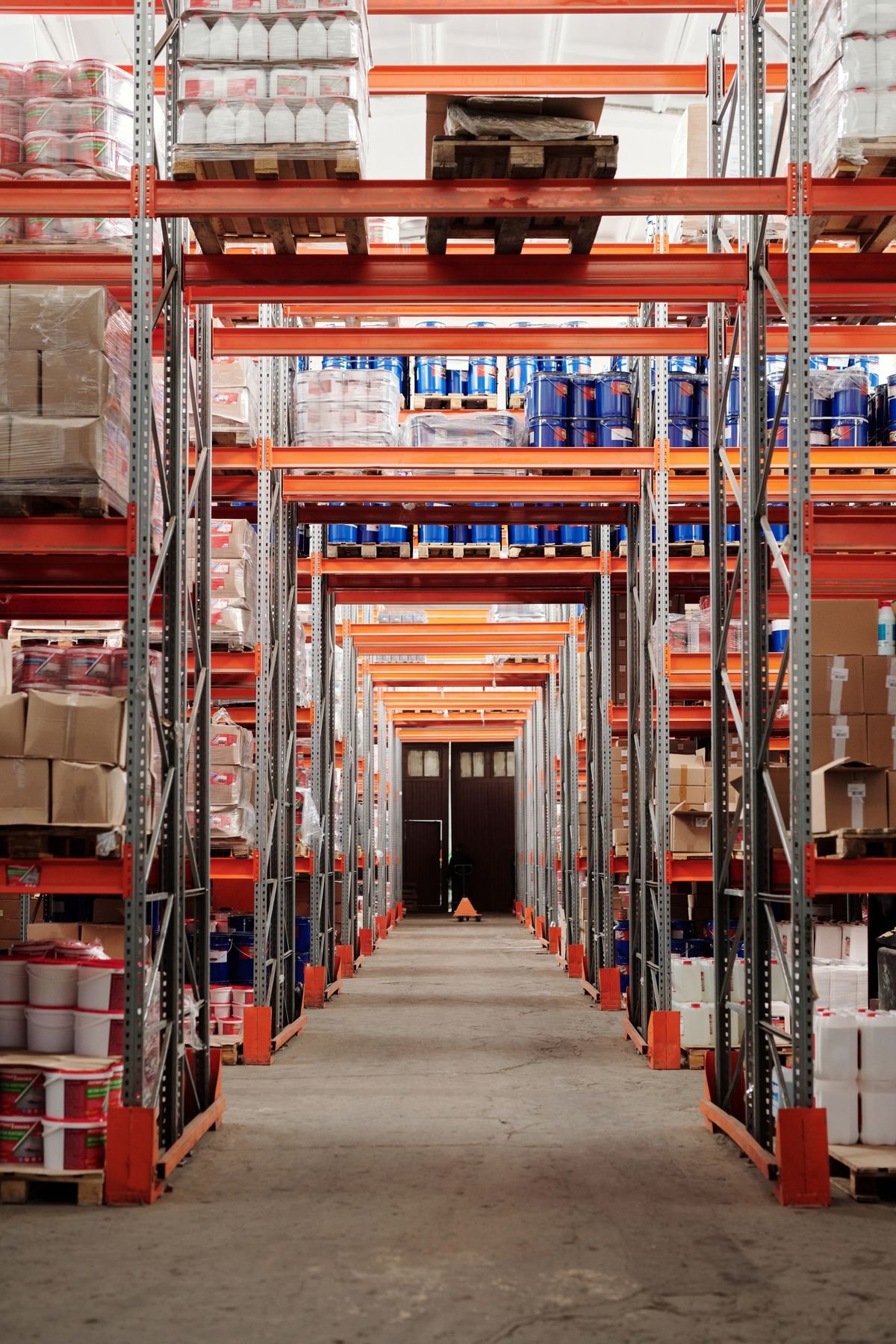
Several containers arriving in the same week, with mixed pallets and cartons, can overwhelm a warehouse. Unloaded goods that are not counted against the packing list produce disputes that are hard to settle later.
Control: a receiving procedure with appointment times, a count against the packing list, and a note of damage on the day.
A Made-Up Cash Calendar for One Order
The figures and rates below are made up. They show how cash leaves the business across a single order of goods worth 10,00,000 rupees, with customs duty at 10% and IGST at 18% on the value plus duty.
| Stage | Cash out in rupees | Cumulative |
|---|---|---|
| Order placed (30% advance) | 3,00,000 | 3,00,000 |
| Shipment (balance) | 7,00,000 | 10,00,000 |
| Freight and insurance at booking | 80,000 | 10,80,000 |
| Bill of entry presented (duty 1,08,000 and IGST 2,13,840) | 3,21,840 | 14,01,840 |
| Clearance and port charges | 25,000 | 14,26,840 |
| Delivery to the warehouse | 15,000 | 14,41,840 |
The cash needed is 4,41,840 more than the goods themselves, and the duty falls on one day. If three such orders are in the pipeline in the same month, the calendar has to carry three times as much.
A Made-Up Compliance Matrix
The table shows how a register might look for three product groups (all details are made up).
| Product group | Policy and standards check | Evidence to hold | Owner |
|---|---|---|---|
| Kitchen electronics | Check the BIS Compulsory Registration list | Registration proof and labelling approval | Compliance lead |
| Children's products | Check BIS standards for toys and related goods | Licence or test evidence from the manufacturer | Compliance lead |
| Hardware and fittings | Check classification and policy status | Classification record | Buyer |
Where Partners Help
A wholesaler rarely needs to solve all eight challenges alone. A forwarder can plan loads and consolidate, a licensed customs broker can file and follow entries, an inspection agency can check quality before payment and a warehouse partner can receive and store the goods. What you cannot hand over is the responsibility for the declaration: Section 46(4A) of the Customs Act places the duty to ensure accuracy and completeness on the importer. Choose partners who share data and answer promptly, and review them each quarter.
A Wholesale Logistics Checklist
- The classification and compliance register is current.
- Loads are planned by volume and weight.
- The cash calendar covers supplier payments, freight and duty.
- Bills of entry are filed early, and delivery transport is booked.
- Documents are matched line by line.
- Inspection is independent, and balance payments follow it.
- Key categories have a verified second supplier.
- A receiving procedure is written and used.
Move Wholesale Cargo With RR Brothers and Logistics
RR Brothers and Logistics handles full and part container loads from China, with sea freight, warehousing and customs clearance in India. Send us your range and volumes and we will help you plan the loads, the documents and the clearance.
Frequently Asked Questions
A wide product range with many compliance checks, container planning, cash and payment timing, demurrage and storage, documentation volume, quality at scale, supplier concentration and receiving capacity.
With a register that holds, for each product, the classification, the policy status, the compliance evidence and an owner, reviewed every quarter and before each new product is added.
The RBI Master Direction expects remittances against normal imports within six months of shipment, and asks for a guarantee for advances above USD 200,000 unless a waiver applies. Duty is due when a self-assessed bill of entry is presented.
By filing the bill of entry early, having the duty funds and documents ready and booking delivery transport before the cargo arrives.
Long invoices and packing lists multiply the chances of error. Section 111(m) makes goods that do not correspond with the entry liable to confiscation, so a single wrong line is a risk.
With independent pre-shipment inspection and balance payments tied to the result, as the Embassy of India's advisory recommends.
Sources
- DGFT: Foreign Trade Policy 2023, Chapter 2 (paras 2.01 to 2.03)
- DGFT: General notes regarding import policy (ITC (HS) 2022, Schedule 1)
- Reserve Bank of India: Master Direction, Import of Goods and Services (updated 12 January 2026)
- CBIC: Customs Act, 1962 (Sections 46, 47, 48 and 111)
- Embassy of India, Beijing: Updated advisory for Indian SMEs doing business with Chinese companies
This article is general information, not legal, tax or customs advice. Rules, rates and procedures change; confirm current requirements with the relevant authority or a licensed customs professional before you ship. Regulatory references were checked against the official sources listed above on 26 October 2026.
Image credits: header photo by Adrian Sulyok on Unsplash; photo by Frank Mckenna on Unsplash. Used under the Unsplash License.
Request a Quote